
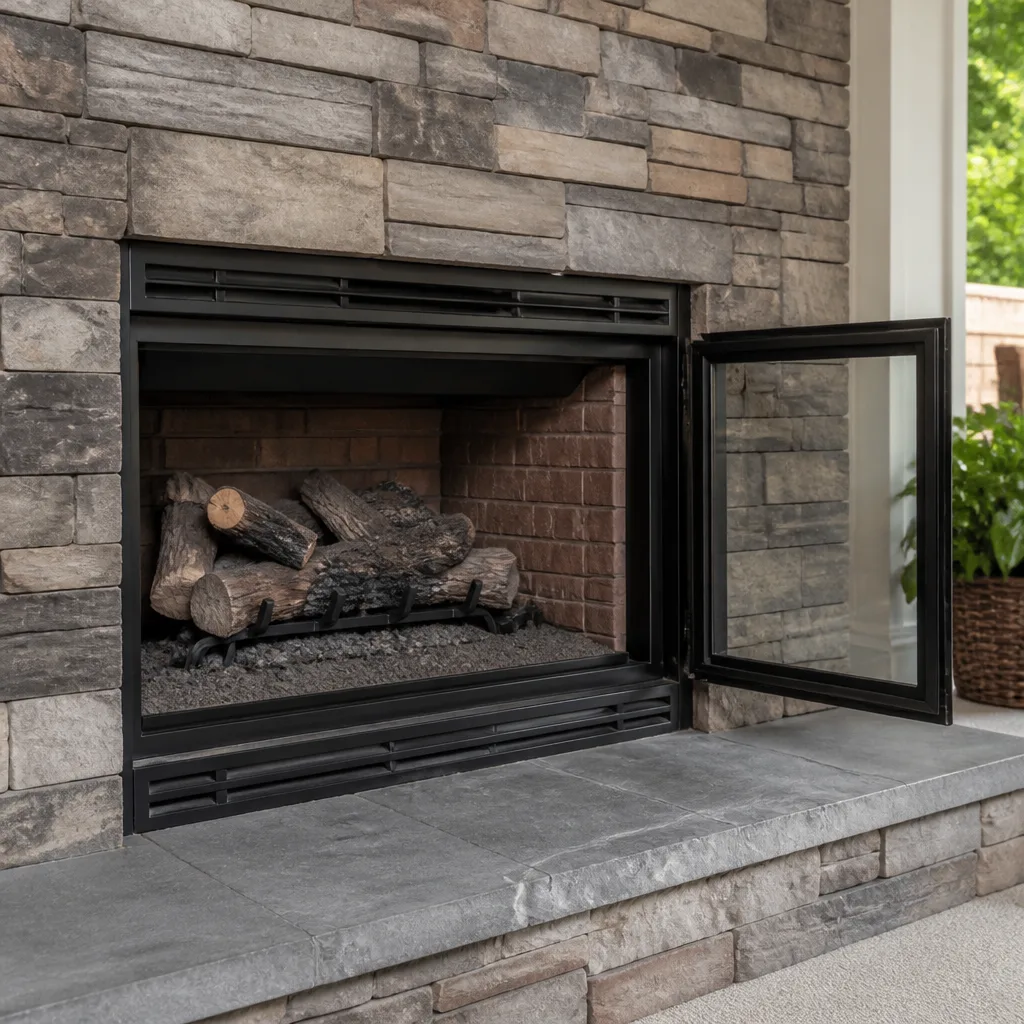
 Gas fireplace service
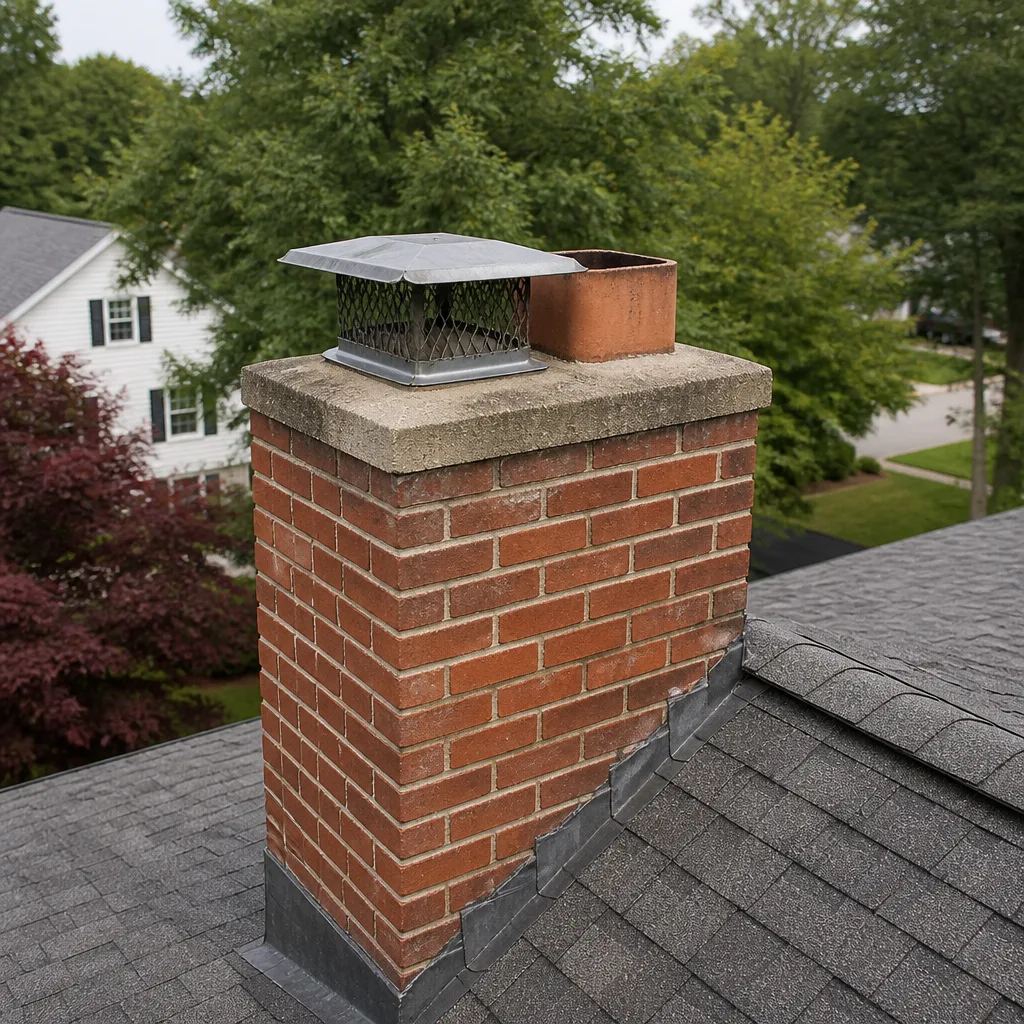 Sweep & inspection
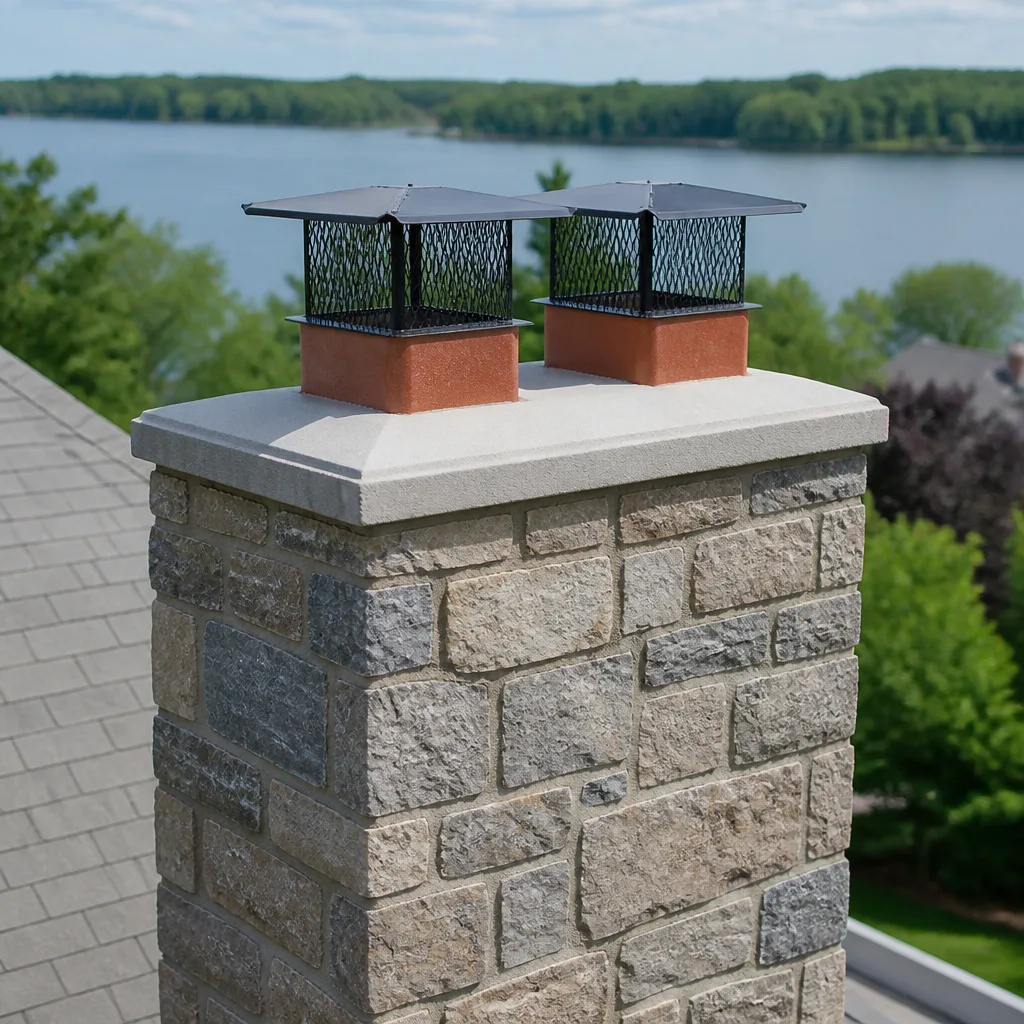 Caps & crowns
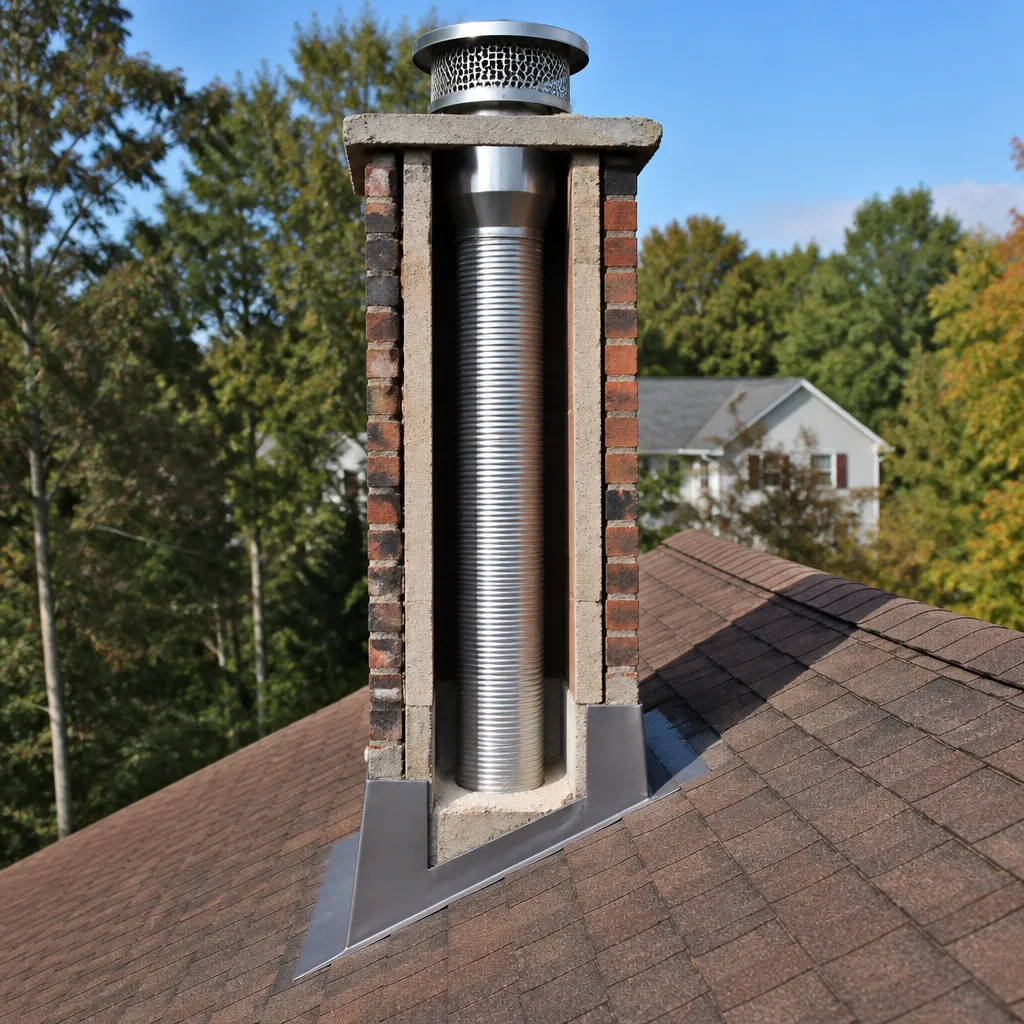 Flue relining
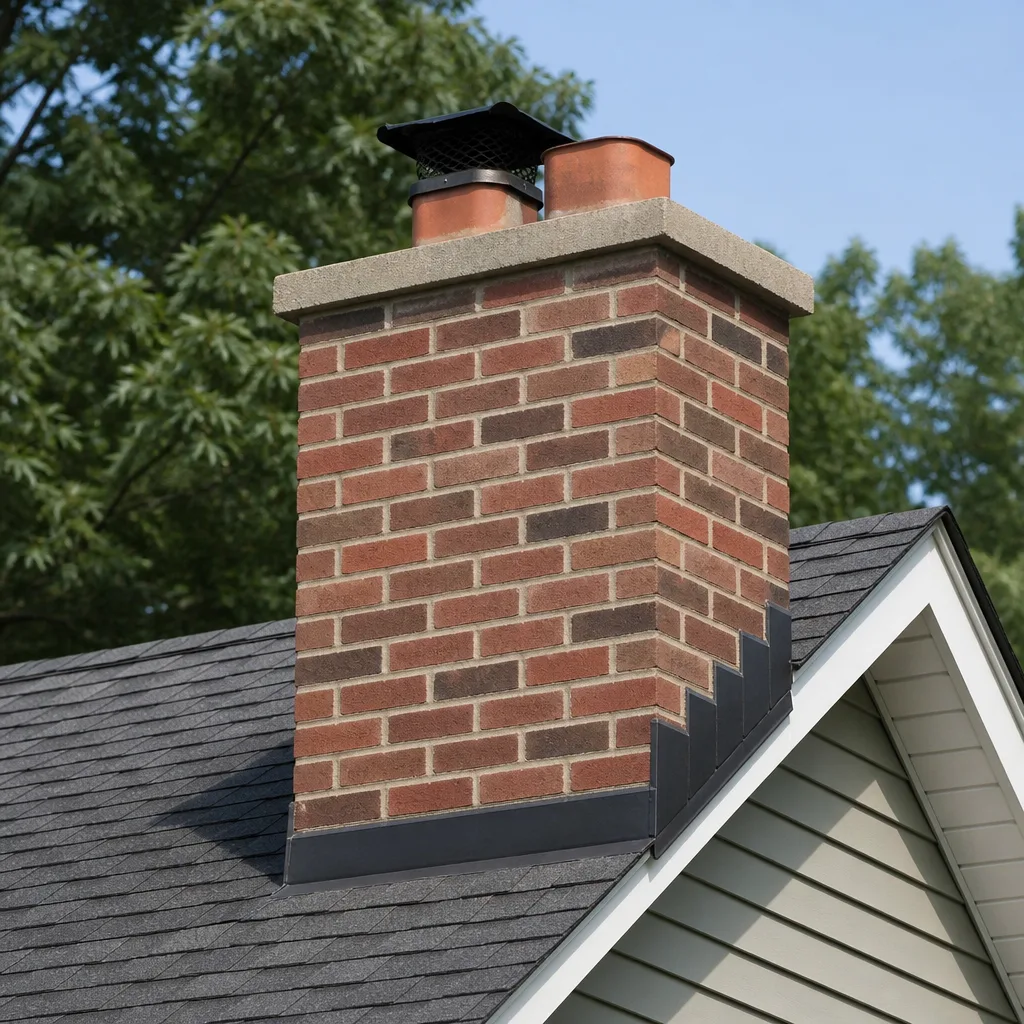 Masonry repair
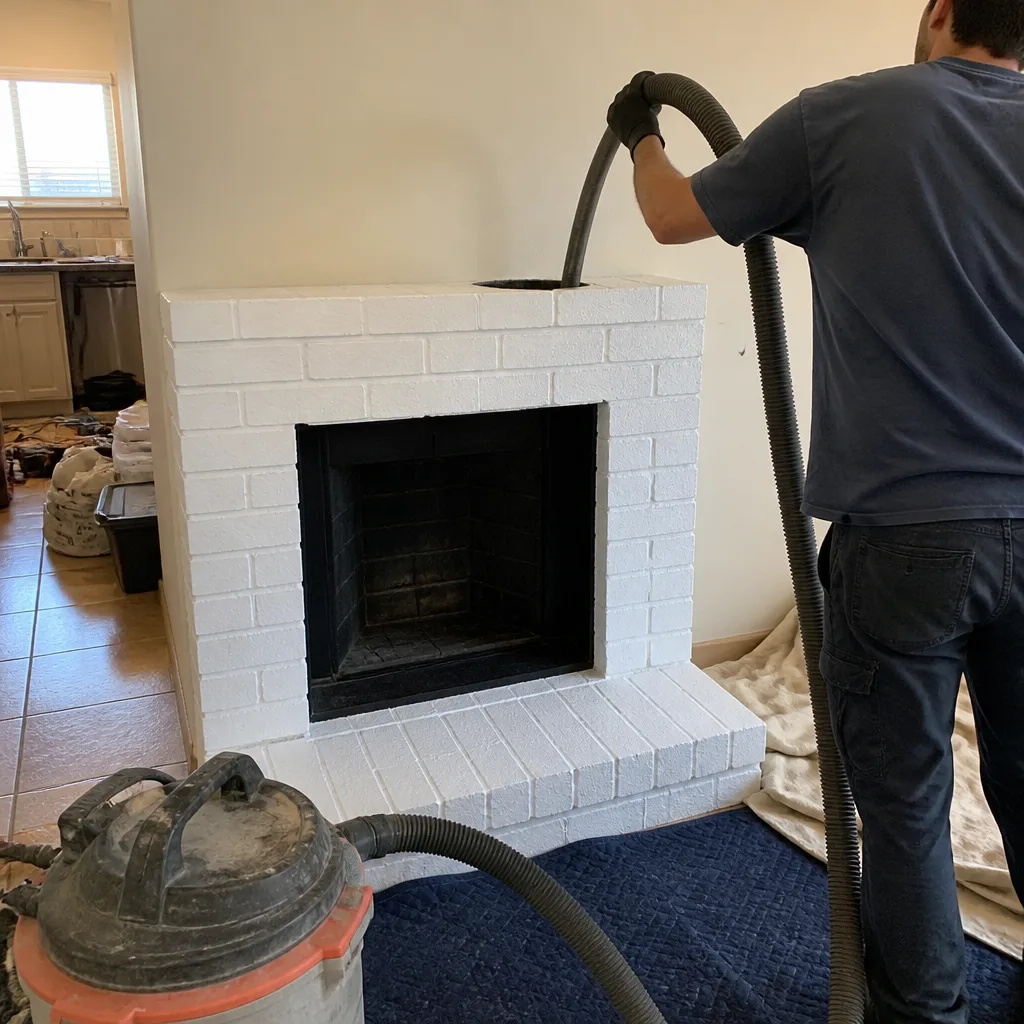
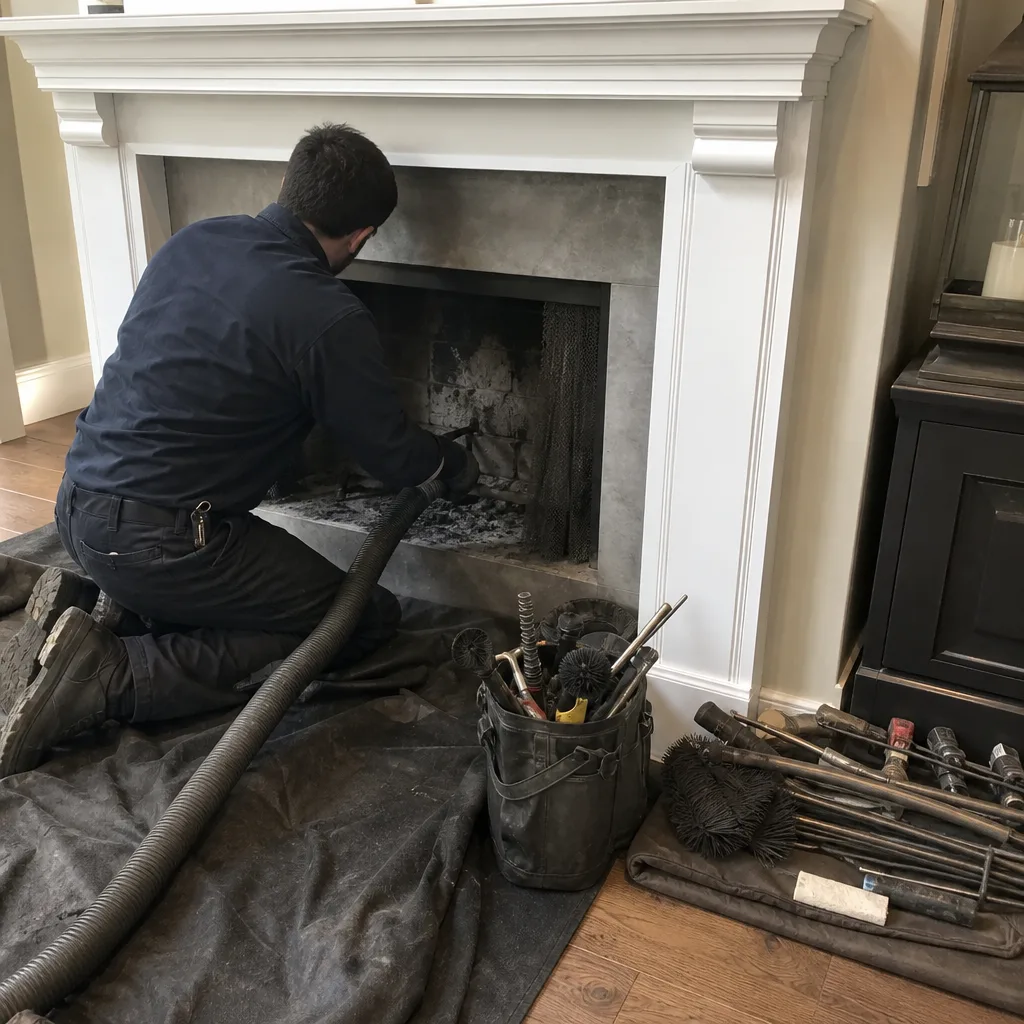
Level 1 sweep and inspection to the NFPA 211 annual standard - flue, crown, cap, and flashing checked and photographed
Chimney sweep logs do not sweep chimneys. They loosen some creosote - which then falls where a brush and vacuum still have to collect it.
Why Redondo Beach Homeowners Choose HeatShield Chimney Cleaning
HeatShield means more than brushing out a flue. We clean, inspect, and repair HeatShield castable refractory liner systems so they hold up against the salt air and marine humidity that shorten liner life in this coastal city. As an independent HeatShield service provider, Chimney Sweep Redondo Beach is not authorized by or affiliated with the manufacturer. But we’ve swept, inspected, and relined hundreds of HeatShield systems across the South Bay, and we know exactly how their castable liners age a few blocks from the Pacific. Call (866) 632-1088 for a straight answer on whether your HeatShield liner needs cleaning, repair, or full relining.
HeatShield’s CE Castable Refractory Liner is a different animal from the clay tile flues in most Redondo Beach tract homes. Castable refractory is a cementitious, heat-resistant material pumped or troweled into place, then cured to form a seamless liner. No mortar joints. No tile segments. That seamless profile is why homeowners choose it. It’s also why cleaning and repair require hands-on familiarity with the material’s behavior under thermal cycling and coastal moisture exposure. That’s the work we do every week in Redondo Beach, from the Hollywood Riviera to South Redondo, and it’s why we carry genuine HeatShield refractory materials on the truck when a HeatShield repair in Hermosa Beach calls for them. Rob Calloway, our owner, has spent eighteen years learning how South Bay coastal homes punish liners. He grew up in the Hollywood Riviera and still lives in the same zip code. He knows what this air does to a flue.
Why Trust Chimney Sweep Redondo Beach for Your HeatShield Chimney Cleaning?
HeatShield liners fail in predictable ways. Surface spalling, hairline cracking, separation from the flue wall, crown joint failures. If the technician holding the inspection camera doesn’t know what those failure signatures look like on a castable surface, you get a patch job instead of a diagnosis. We know the difference because we see it regularly. Our technicians are repair-competent, not just cleaning crews. They work with HeatShield’s refractory materials, TherMix insulation, and sealant components directly, so when we tell you a liner is sound, it’s because we’ve looked at its surface under magnification and checked for bond separation behind it. When we tell you it isn’t sound, we can show you the camera footage.
Rob Calloway’s background matters here. He came up through the HVAC and sheet metal programs at El Camino College in Torrance, then crossed into chimney work when a neighbor’s fireplace smoke problem turned into a career pivot. That mechanical training means he reads liner failures as material behavior under thermal load and moisture ingress, not just as “looks cracked, needs replacing.” He’s particularly known in the South Bay for diagnosing moisture-related deterioration that salt air quietly does to masonry fireboxes and castable liners over time. His wife handles the books, his teenage son hands him tools on the job, and the whole operation runs on one principle: show the homeowner what’s actually there, then tell them the truth about what it needs.
We’re an independent HeatShield service provider. That’s a feature, not a caveat. No brand script, no warranty agenda. We diagnose and repair your HeatShield chimney on its merits. If the liner is sound, we clean and seal it. If it’s compromised, we show you the evidence and lay out repair versus reline costs honestly. If you can’t see daylight up the flue and you can’t remember the last time it was cleaned, that’s where we start.
Styles & brands we work with
- Sweep & inspection
- Caps & crowns
- Flue relining
- Masonry repair
- Gas fireplace service
Common HeatShield Chimney Cleaning Problems We Fix in Redondo Beach
- Surface spalling on CE Castable Refractory Liners. The castable surface develops a network of fine cracks and small chips, especially in chimneys that see frequent fires and cool coastal air. In Redondo Beach, the marine layer keeps liners damp between burns, and that moisture combined with thermal expansion stress causes the refractory face to spall faster than in inland LA. We remove loose material, assess the depth of damage, and recoat where the liner body is still intact.
- Liner separation from the flue wall. HeatShield’s castable liner bonds to the existing clay tile or masonry surface. When that bond fails, usually from years of thermal cycling or moisture wicking behind the refractory, you get gaps that trap creosote and water. This is a serious condition because creosote behind a liner is a fire risk with no easy visual warning. Our Level 2 inspection process checks for bond separation specifically.
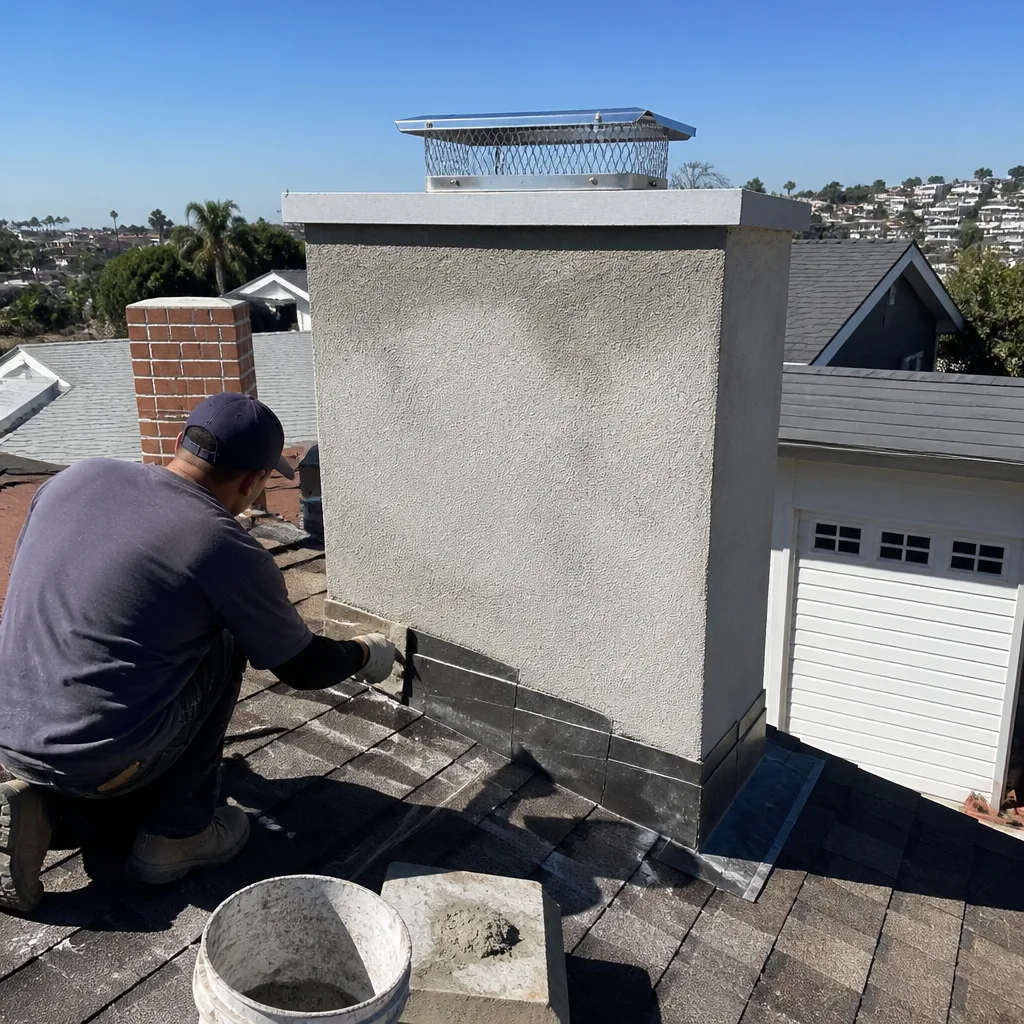
- Crown and top-plate cracking. The concrete crown at the top of the chimney takes a beating from Redondo Beach’s salt air and occasional seismic activity. When it cracks, water follows the path down into the HeatShield liner joint and accelerates deterioration. We repair crowns with flexible sealant systems that move with the structure, then check the liner joint for moisture damage below.
- Damper and smoke-shelf corrosion. Coastal humidity keeps steel dampers and smoke shelves wet for much of the year. Corroded dampers leak air, which cools the flue and leads to sluggish draft and creosote accumulation on the HeatShield liner face. We see this repeatedly in beach-close Redondo Beach homes. Replacing a corroded damper often improves draft more than any cleaning will.
- Glazed creosote buildup on liner surfaces. Third-degree creosote, the hard, shiny stuff, forms when burning conditions are imperfect and the flue runs cool. The persistent marine layer in Redondo Beach keeps chimneys cooler than inland, which means glazed creosote forms more readily. It’s chemically aggressive and a bear to remove. We use mechanical methods and follow with a visual inspection to make sure the HeatShield surface hasn’t been damaged underneath.
HeatShield Parts & Our Repair-vs-Replace Approach
We use genuine HeatShield refractory materials and components when a repair calls for them. The CE Castable Refractory Liner system is formulated to specific thermal and adhesion properties. Substituting a generic castable compound risks delamination and fire-performance issues that aren’t worth saving fifty bucks on. For non-refractory components like top plates, caps, and dampers, we carry equivalent high-temp aftermarket parts where they meet or exceed the original specification. We don’t install anonymous hardware-store substitutes on a HeatShield system, and we don’t mark up parts to make more margin. The right part goes in because it’s the right part.
The repair-vs-replace decision comes down to one thing: does the castable still have structural integrity? If the liner body is sound and the damage is surface-level spalling or cracking, we clean, seal, and recoat. That’s a fraction of a reline cost. If the liner has separated from the flue wall, or the castable has lost cohesion through its thickness, a patch won’t hold and we’ll tell you that plainly. We price a full HeatShield Rebuild & Reline against the patch so you see the real numbers. No upselling a rebuild you don’t need, and no patching one that’s done. Call (866) 632-1088 and we’ll schedule an inspection that gives you honest numbers in writing.
Our HeatShield Service Process – Step by Step
- 1
Diagnosis. Every HeatShield service starts with a camera inspection of the full flue run. We’re looking for surface spalling, hairline crack networks, bond separation, crown joint failures, and creosote condition. You see the footage. The diagnosis isn’t a mystery.
- 2
Cleaning and preparation. We sweep the flue using brushes sized to the HeatShield liner’s interior diameter. For glazed creosote on castable surfaces, we use mechanical removal methods that won’t scar the refractory. The liner face is inspected again after cleaning because creosote often hides damage.
- 3
Repair or reline. If the liner is sound, we apply HeatShield-compatible sealants where surface cracking is minor and repair crowns with flexible sealant systems. If the castable has lost integrity, we quote a HeatShield Rebuild & Reline using the manufacturer’s refractory materials and TherMix insulation. The work is done to spec, not improvised.
- 4
Testing and verification. We run a draft test and a final camera pass. You see the finished liner surface and the repaired crown. If there’s still a draft issue, we find it before we leave. No “check back in a few weeks” handoffs.
- 5
Documentation. You get a written report with before-and-after images. If your HeatShield system was installed under a manufacturer warranty, we note what was done and whether any warranties remain viable. Records matter when coastal moisture damage shows up years later.
See the difference
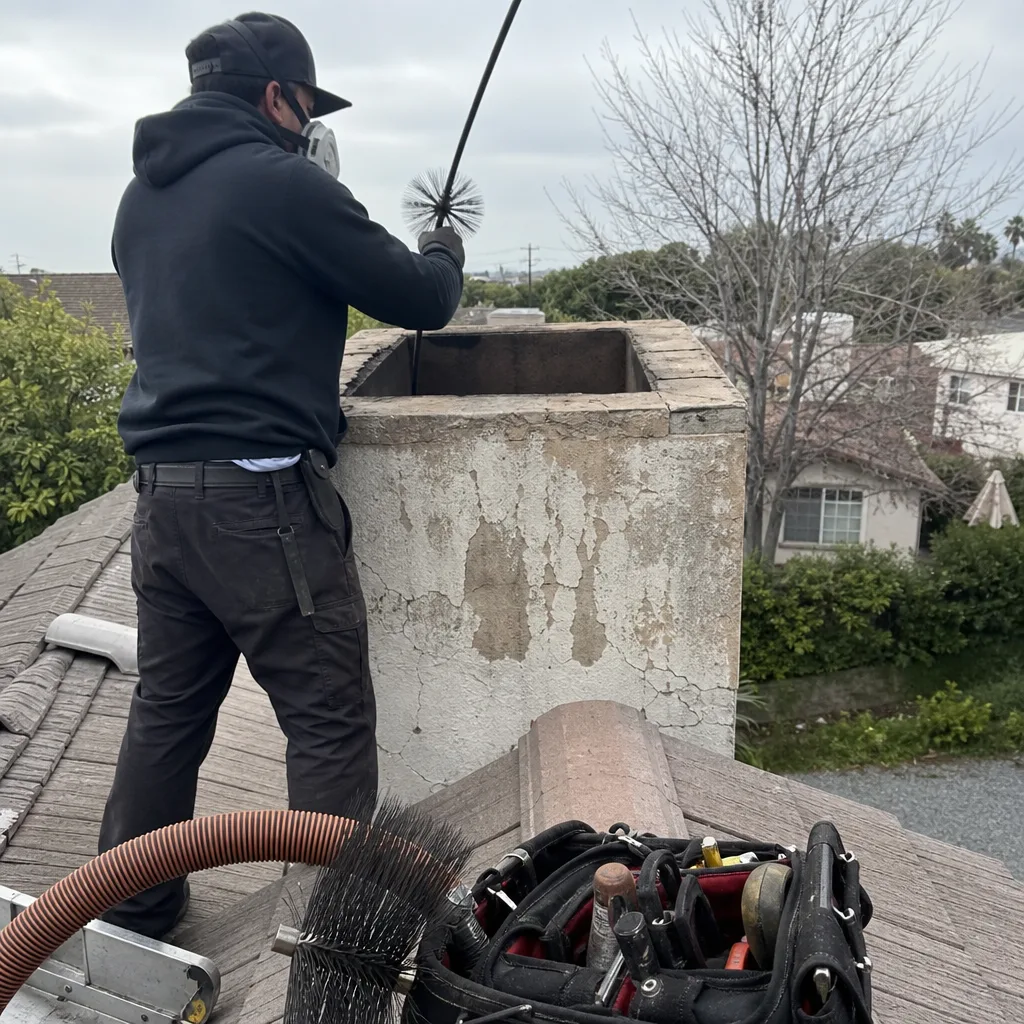 Before
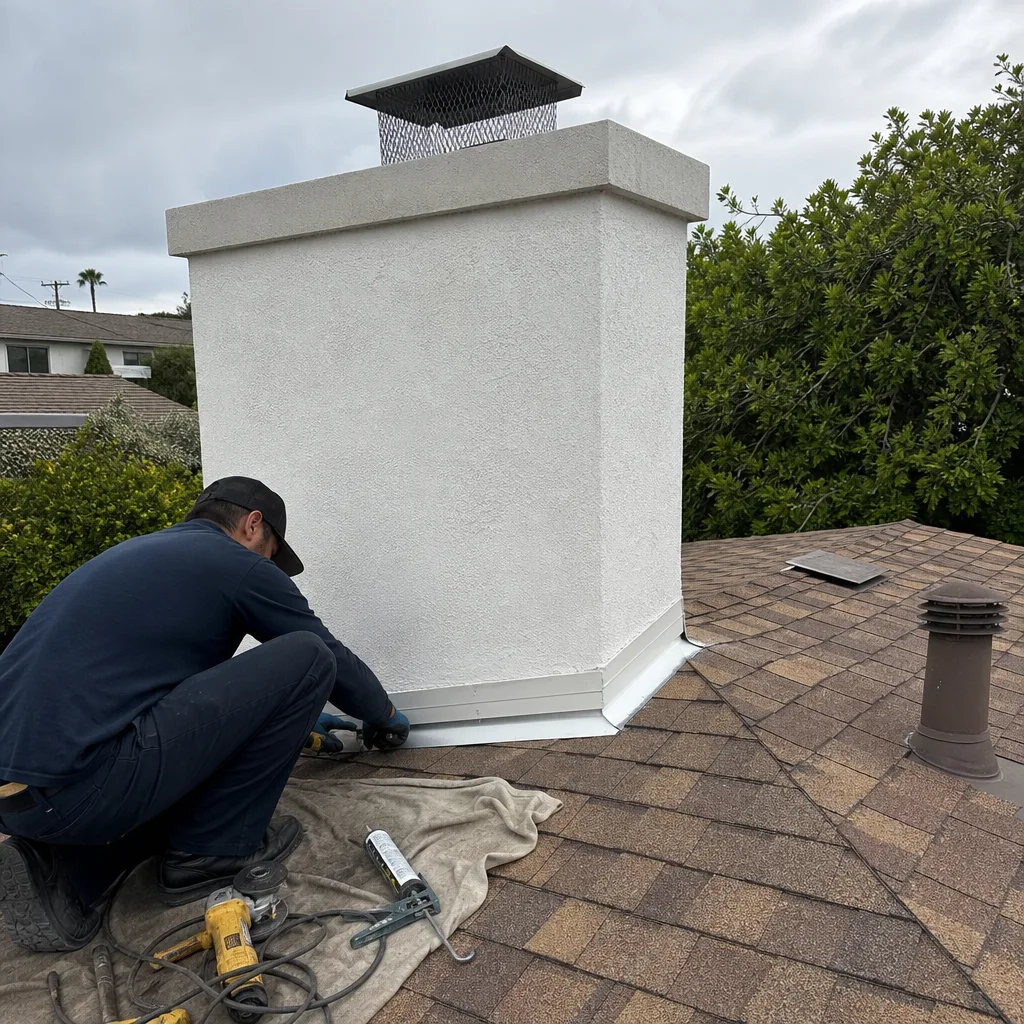 After
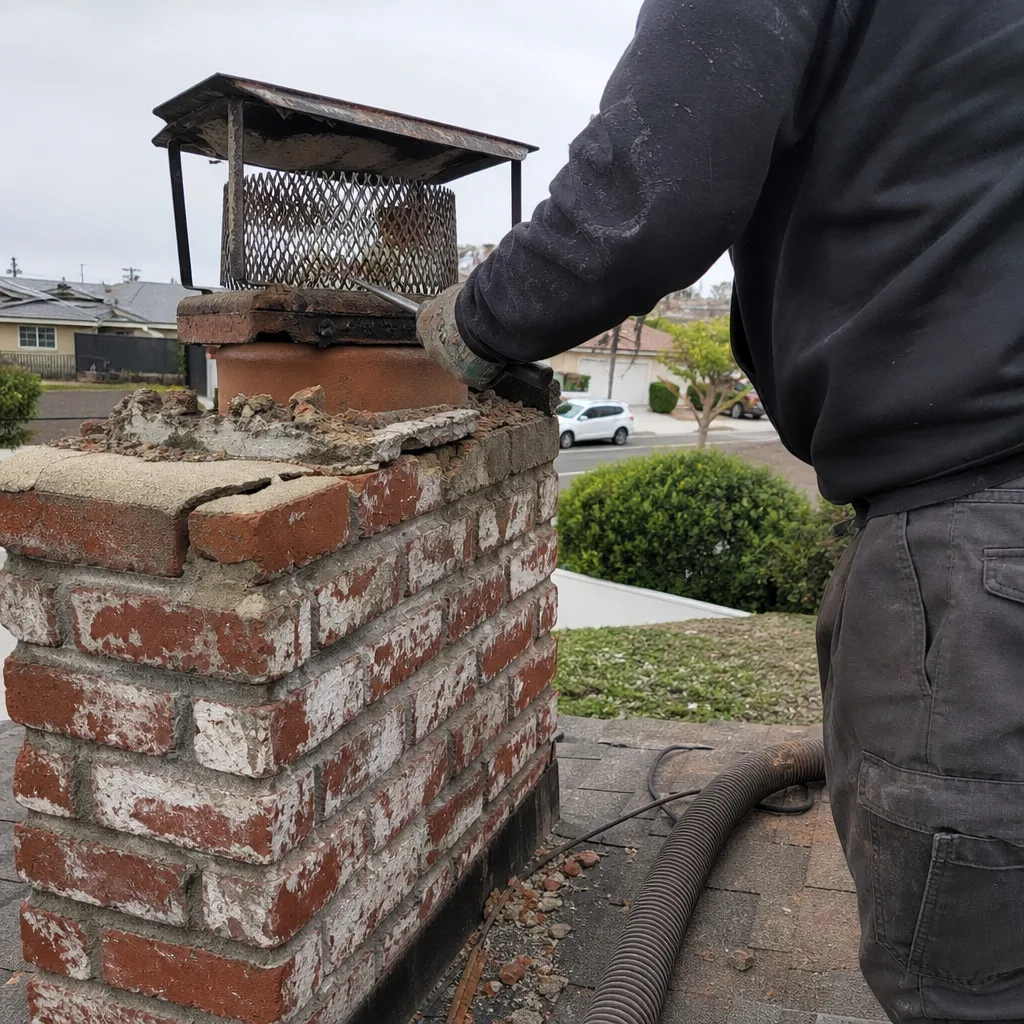 Before
 After
 Before
 After
HeatShield Products We Service & Install in Redondo Beach
We service the full HeatShield system lineup: the CE Castable Refractory Liner, TherMix Insulation, the Rebuild & Reline System, and CrownSeal and FlueSeal components. We stock genuine HeatShield refractory materials and common components on our trucks in Redondo Beach, which means most HeatShield repair in Manhattan Beach jobs don’t wait on a supply order. For full relines, we schedule the HeatShield materials in advance and complete the work in a single visit where the chimney structure allows.
We Also Service These Brands
HeatShield is a big part of our workload, but it’s not the only brand we trust. We install and service DuraFlex stainless steel liners and Gelco chimney caps on Redondo Beach homes where a rigid metal liner or a specific cap design is the better answer. The point is this: we recommend the system that fits the chimney and the coastal exposure, not the brand we have the most experience selling. Sometimes that’s HeatShield. Sometimes it’s DuraFlex with a Gelco cap. We’ll show you why in the inspection footage before you spend a dollar.
FAQs – HeatShield Chimney Cleaning Service in Redondo Beach
No. We are an independent HeatShield service provider. We are not authorized by or affiliated with the manufacturer. What we bring is hands-on familiarity with HeatShield’s castable liner systems across hundreds of South Bay chimneys, and we use genuine HeatShield refractory materials when a repair calls for them. Independence means we diagnose on merit, not on a brand script.
For the refractory liner itself, yes. The CE Castable Refractory Liner and TherMix Insulation are formulated to specific thermal and adhesion properties, and substituting a generic compound isn’t worth the risk. For non-refractory components like caps, dampers, and top plates, we source equivalent high-temp aftermarket parts where they meet or exceed the original specification. If a genuine HeatShield component is the right call, that’s what goes in.
A standard cleaning and Level 2 inspection on a HeatShield system takes about two hours. Repairs like crown sealing or surface recoating usually add another hour or two. A full HeatShield Rebuild & Reline is a full-day job, sometimes two days depending on flue length and structural access. We’ll give you a time estimate with the written quote. Call (866) 632-1088 and we’ll schedule based on what the inspection actually shows.
We service and install the complete HeatShield lineup: CE Castable Refractory Liner, TherMix Insulation, Rebuild & Reline System, and CrownSeal and FlueSeal components. If you have an older HeatShield installation and aren’t sure which system you’re running, the inspection camera will tell us.
Using an independent service provider doesn’t automatically void your HeatShield warranty. What voids warranties is improper repair methods or incompatible materials. We use genuine HeatShield refractory materials when a repair calls for them, and we document the work with before-and-after images. If your liner is still under a manufacturer warranty, we note what was done so you have a clear record for any claim. If the liner has already failed from coastal moisture, you’ll know exactly why and what repair or reline is warranted.
A HeatShield chimney cleaning and Level 2 inspection in Redondo Beach typically runs $280 to $420 depending on flue condition and creosote stage. Glazed third-degree creosote removal adds time and cost. Crown repairs run $350 to $700 depending on damage extent. A full HeatShield Rebuild & Reline ranges $4,500 to $9,500 for the flue run, depending on height and access. These are South Bay market rates. Call (866) 632-1088 for an exact written quote after inspection. Estimates are free.
A HeatShield castable liner is seamless, so there are no mortar joints for creosote to collect in and no tile ledges that catch the brush. But the castable surface is softer than fired clay, which means aggressive mechanical cleaning can scar it. We use brushes sized to the liner diameter and mechanical methods calibrated to protect the refractory face. A clay tile liner can handle rougher treatment. A HeatShield liner needs a cleaner who knows the material.
Depends on the crack pattern and depth. Surface hairline cracking from thermal cycling is common and often repairable with sealant and recoat. Cracking that extends through the castable thickness, or liner separation from the flue wall, usually means the liner has lost structural integrity and a full reline is the honest answer. We’ll show you the camera footage before we recommend anything. No repair decisions are made without you seeing the evidence.
Yes, measurably. The persistent marine layer keeps chimneys cool and damp for much of the year. Moisture stays in the refractory surface instead of drying out between fires. That moisture accelerates surface spalling and contributes to bond failure where the castable meets the original flue wall. Redondo Beach HeatShield liners often show deterioration at eight to twelve years that inland liners don’t show until fifteen or twenty. Annual cleaning and inspection isn’t fire-safety theater here. It’s corrosion control. Call (866) 632-1088 to schedule your inspection before another winter of salt air sits in your flue.
The usual suspects are negative air pressure in the house pulling odors down the flue, creosote buildup on the liner face, or moisture saturating the castable and releasing an acrid smell as it dries. In Redondo Beach, we also see smoky smells from failed crown joints that let water into the liner, where it mixes with creosote and produces that distinct damp-fireplace odor. A Level 2 inspection identifies the source. Guessing doesn’t. A Redondo Beach homeowner with a HeatShield CE castable liner called us after noticing a smoky smell on cool evenings. Our tech ran a Level 2 inspection, found a hairline crack network in the refractory above the smoke shelf and a failed crown joint letting in moisture, then swept the flue, removed glazed creosote, and repaired the crown with a flexible sealant before recoating the liner surface. The draft improved immediately and the smoke odor cleared within a day.
Mostly yes. Inserts complicate access because the liner connection sits behind and above the unit, but we can typically remove the surround panels and access the connection point without pulling the insert from the firebox. If a full reline is needed, the insert usually comes out. If it’s a cleaning and inspection, it stays in place. We’ll tell you what the specific setup requires before any work begins.
Book Your HeatShield Service in Redondo Beach, CA
If your HeatShield chimney hasn’t been inspected in the last year, start there. Salt air and marine moisture work on castable liners even when you’re not burning. Call (866) 632-1088 and we’ll schedule a HeatShield repair in Lawndale cleaning and Level 2 inspection at your Redondo Beach home. Estimates are free. The camera doesn’t lie, and neither do we.
Written by Rob Calloway, Owner at Chimney Sweep Redondo Beach, serving Redondo Beach and the South Bay.