
Last updated November 3, 2026
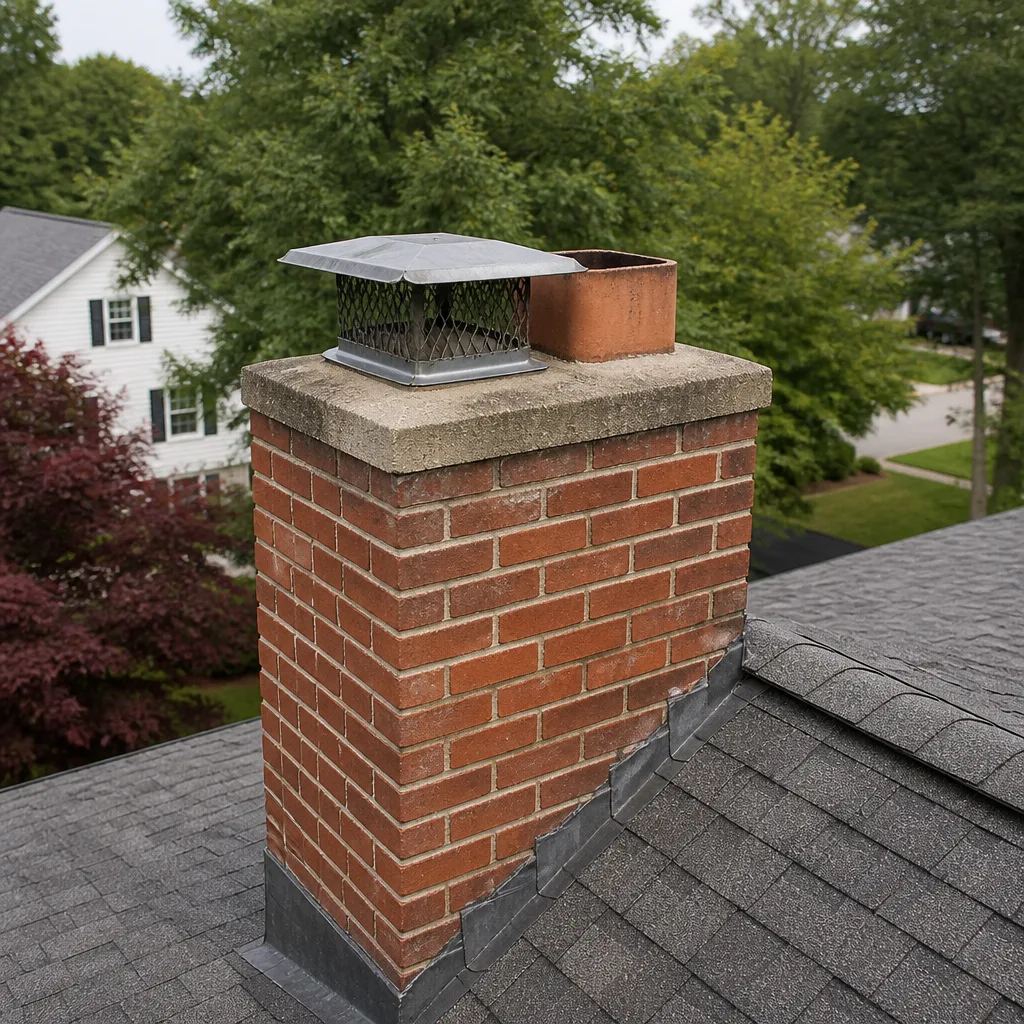 Sweep & inspection
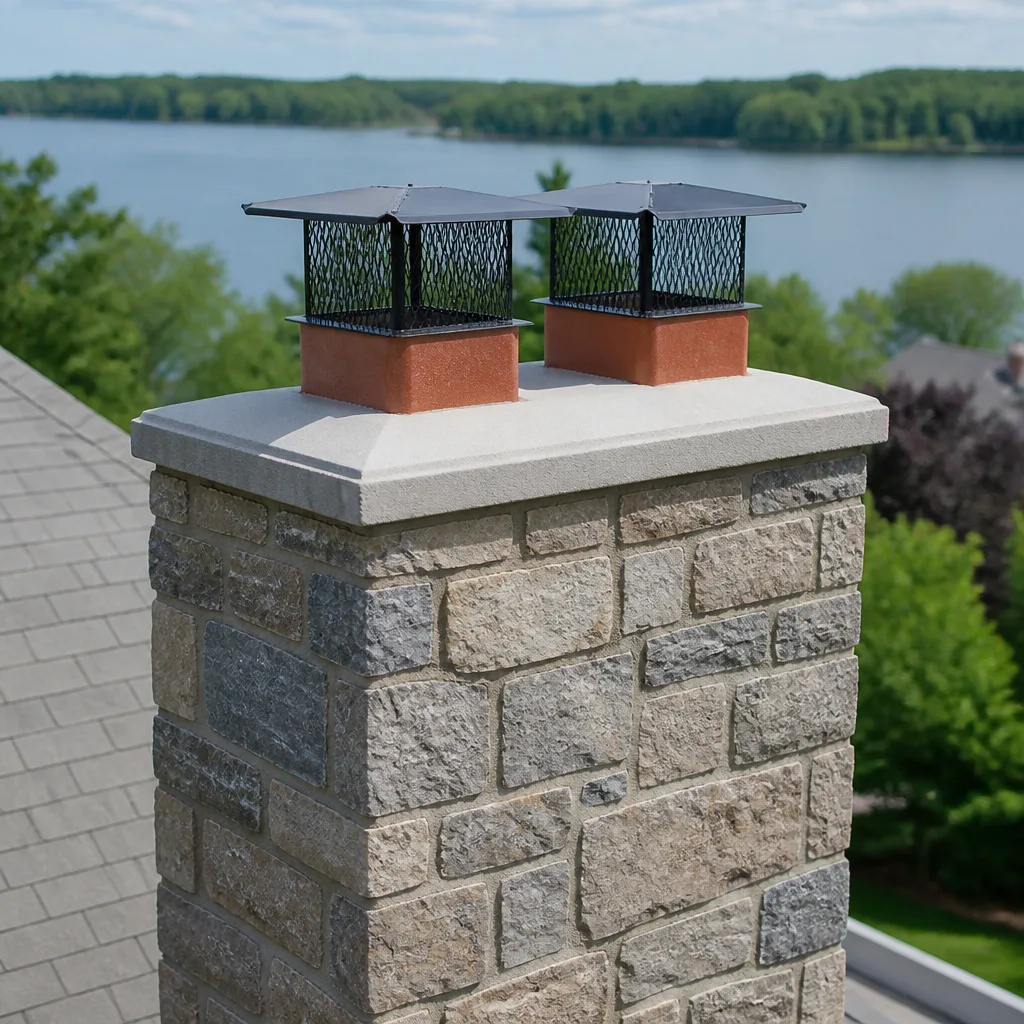 Caps & crowns
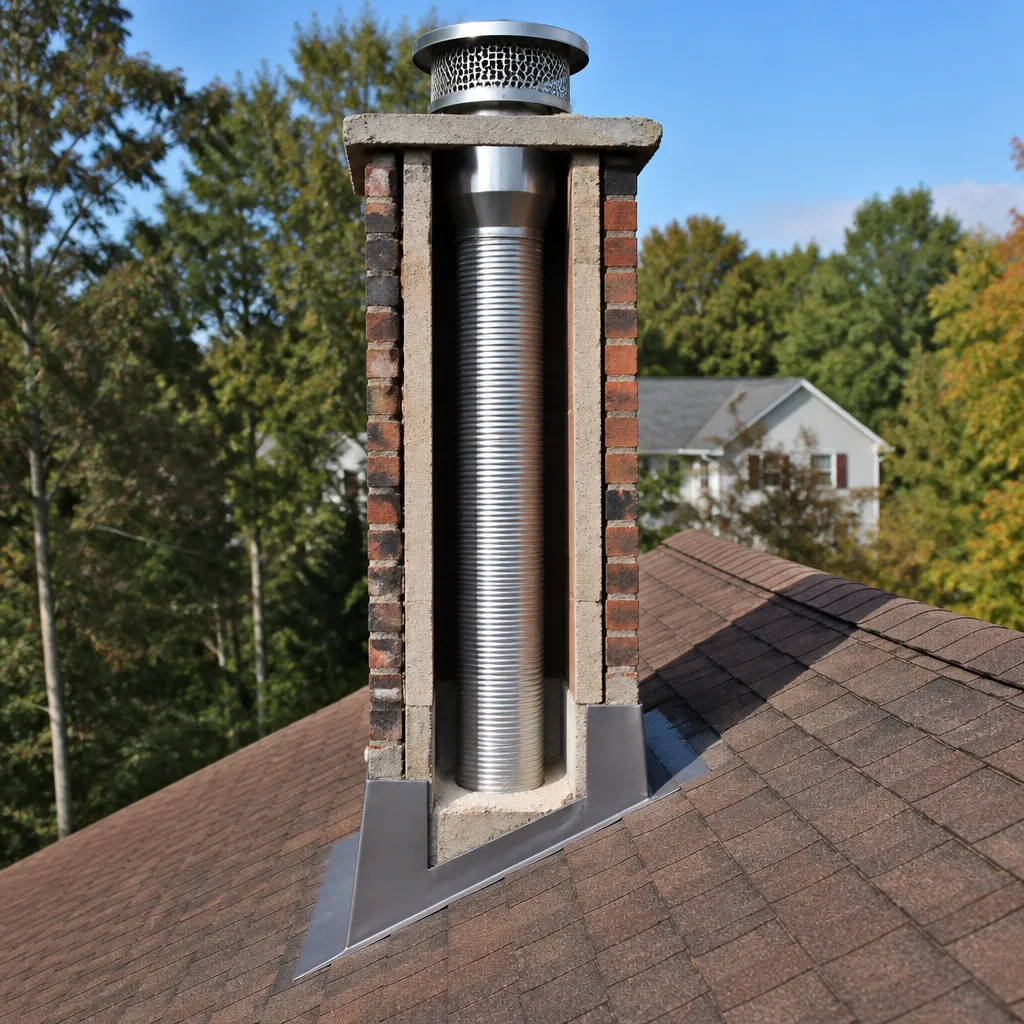 Flue relining
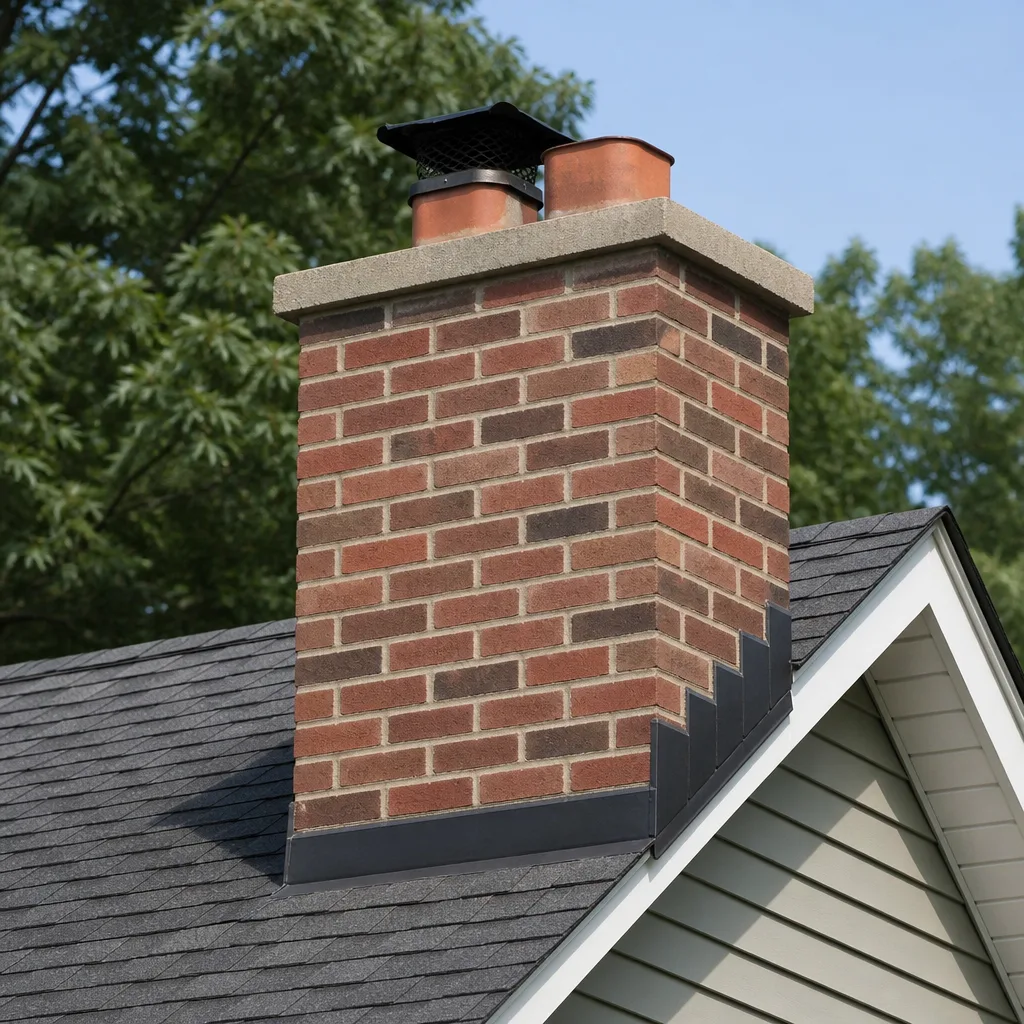 Masonry repair
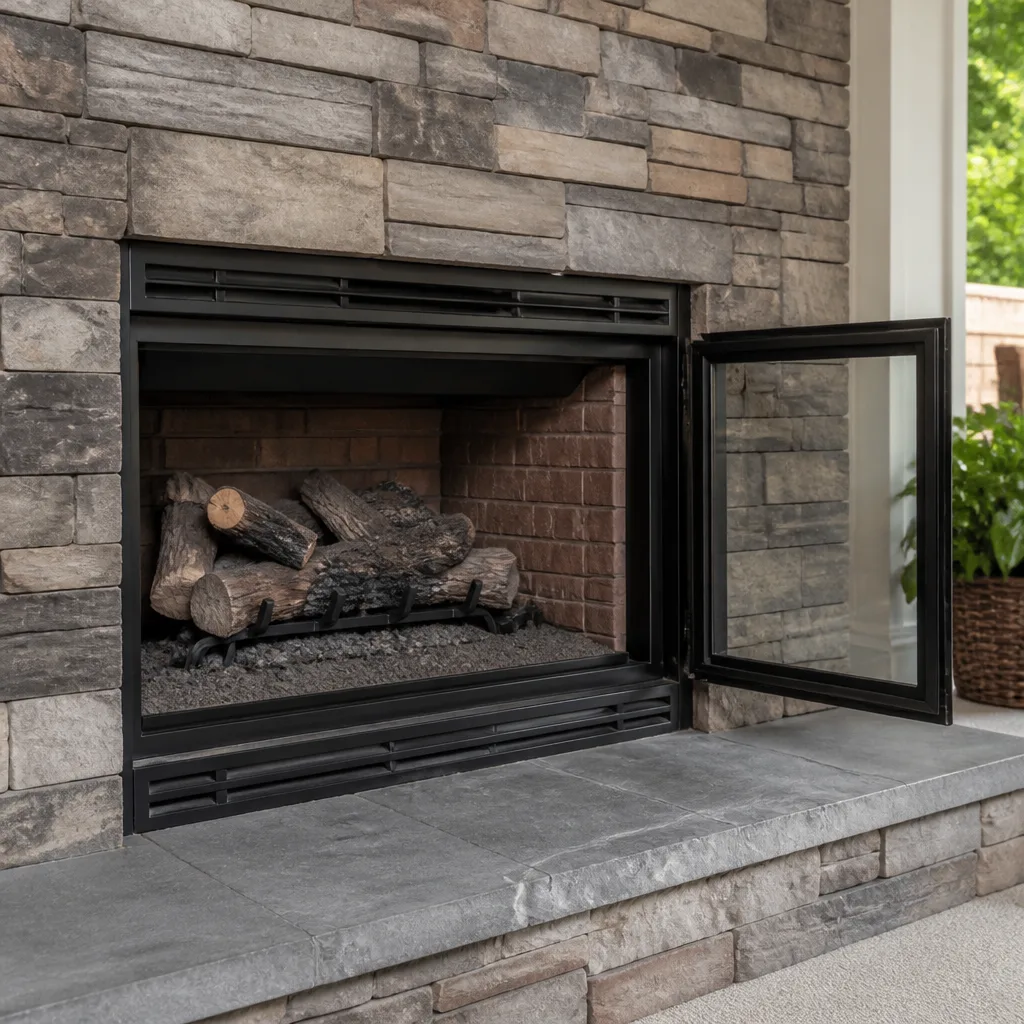 Gas fireplace service
Level 1 sweep and inspection to the NFPA 211 annual standard - flue, crown, cap, and flashing checked and photographed
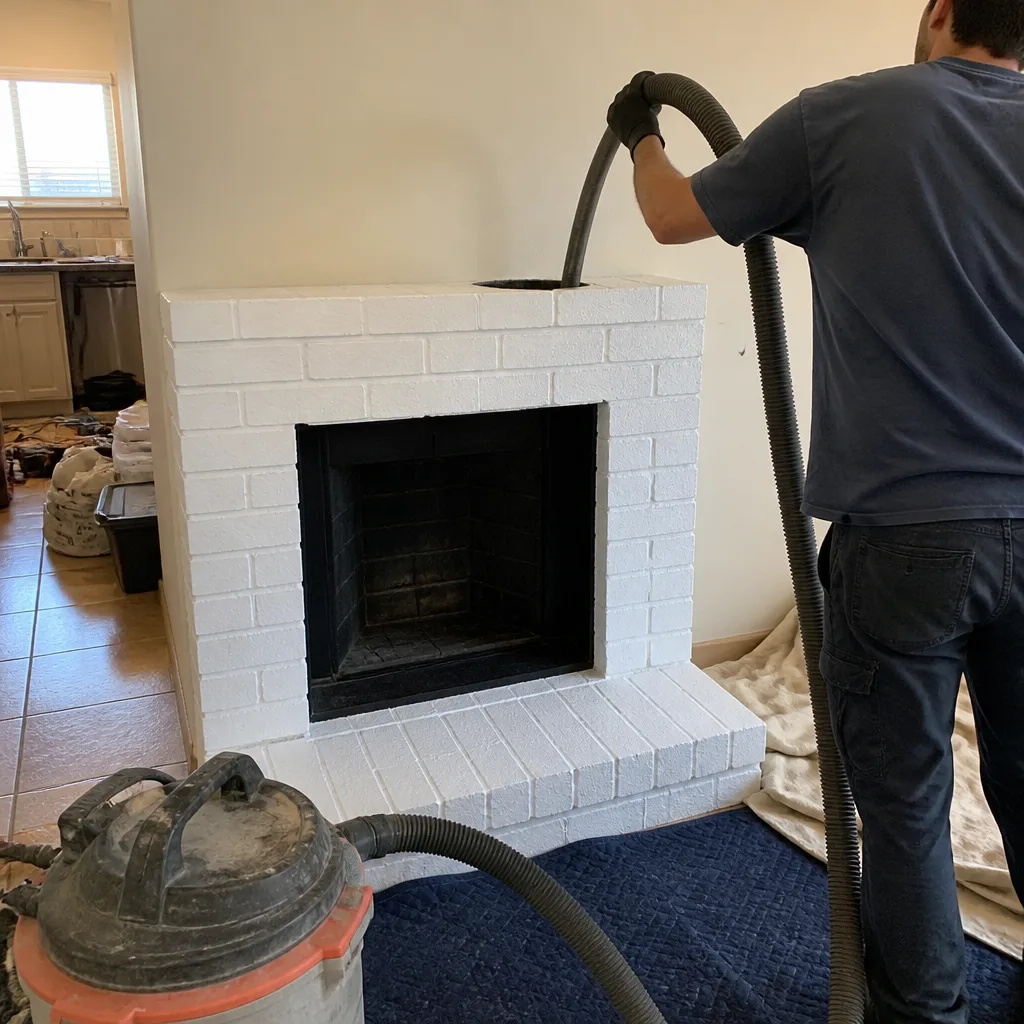
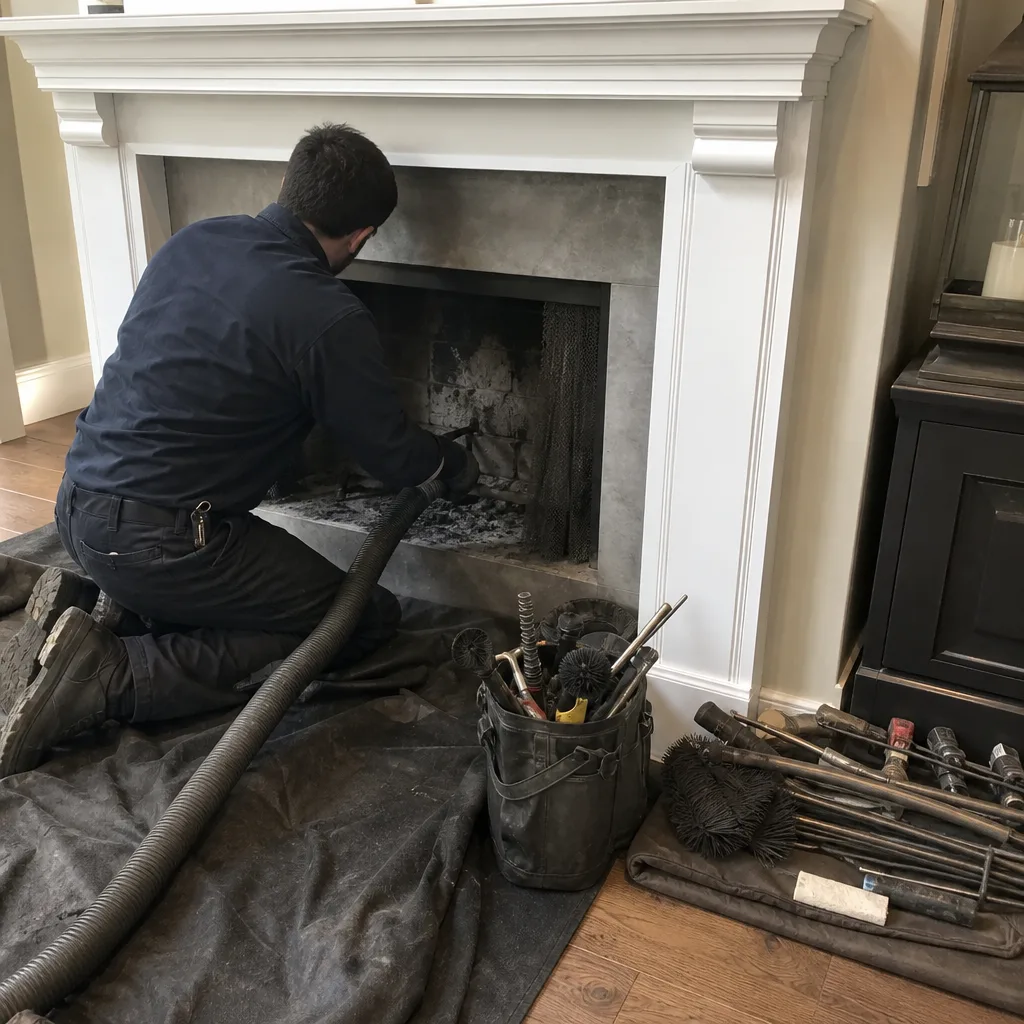
Chimney sweep logs do not sweep chimneys. They loosen some creosote - which then falls where a brush and vacuum still have to collect it.
Choosing the Right Chimney Cleaning Brand: A Buyer’s Guide for Redondo Beach
If your chimney contractor quotes a liner repair without specifying the brand and product line they’ll use, that’s not an oversight. It usually means they’ll use whatever’s cheapest at the supply house that week, regardless of whether it’s rated for your appliance type or flue configuration. In Redondo Beach, where salt air accelerates metal corrosion and marine layer moisture works its way into masonry, that shortcut costs you twice: once in failed materials, and again in the labor to redo the job. This guide will teach you how to evaluate product selection as part of vetting the contractor, so you can tell the difference between a technician who understands flue chemistry and one who’s guessing. For The Complete Chimney Sweep Guide for Redondo Beach Homeowners, see our overview.
Quick Answer
The right chimney cleaning and repair brand in Redondo Beach depends on your flue type, appliance, and the specific failure you’re addressing. For liner restoration, HeatShield’s ceramic resurfacing system avoids a full teardown. For flexible stainless relining, DuraFlex and Rockflex serve different temperature and fuel profiles. The non-negotiable rule: ask your contractor which specific product line they’ll install and why, and walk away from anyone who can’t answer in thirty seconds.
Styles & brands we work with
- Sweep & inspection
- Caps & crowns
- Flue relining
- Masonry repair
- Gas fireplace service
Table of Contents
- Certified Brands vs. Supply House Substitutes: Why the Distinction Matters
- The Three Product Categories Every Homeowner Should Recognize
- Matching Product to Appliance: Gas, Wood, and Pellet
- HeatShield and Ceramic Resurfacing: When a Liner Can Be Saved
- Flexible Stainless Liner Systems: DuraFlex, Flex-King, and Rockflex Compared
- Questions to Ask Before You Sign Anything
- Why Multi-Line Certification Matters for Lifecycle Continuity
- How Redondo Beach Conditions Shape Product Choice
Certified Brands vs. Supply House Substitutes: Why the Distinction Matters
Chimney repair materials are not interchangeable. A stainless liner rated for a gas appliance operates at a different temperature range and corrosion profile than one built for a wood-burning fireplace. A cast-in-place refractory liner performs differently than a flexible stainless system. When a contractor reaches for whatever’s on the shelf at the local supply house, they’re ignoring the engineering that went into your original flue design.
We use HeatShield because its ceramic resurfacing system is one of the only products on the market that can restore a damaged clay tile liner without tearing it out. That distinction matters in Redondo Beach, where many homes date to the 1950s and 1960s and their original clay liners are reaching the end of their service life. A full liner replacement in an older masonry chimney can run into the thousands. Resurfacing with a tested material like HeatShield can extend that liner’s life at a fraction of the cost, provided the underlying masonry is still structurally sound.
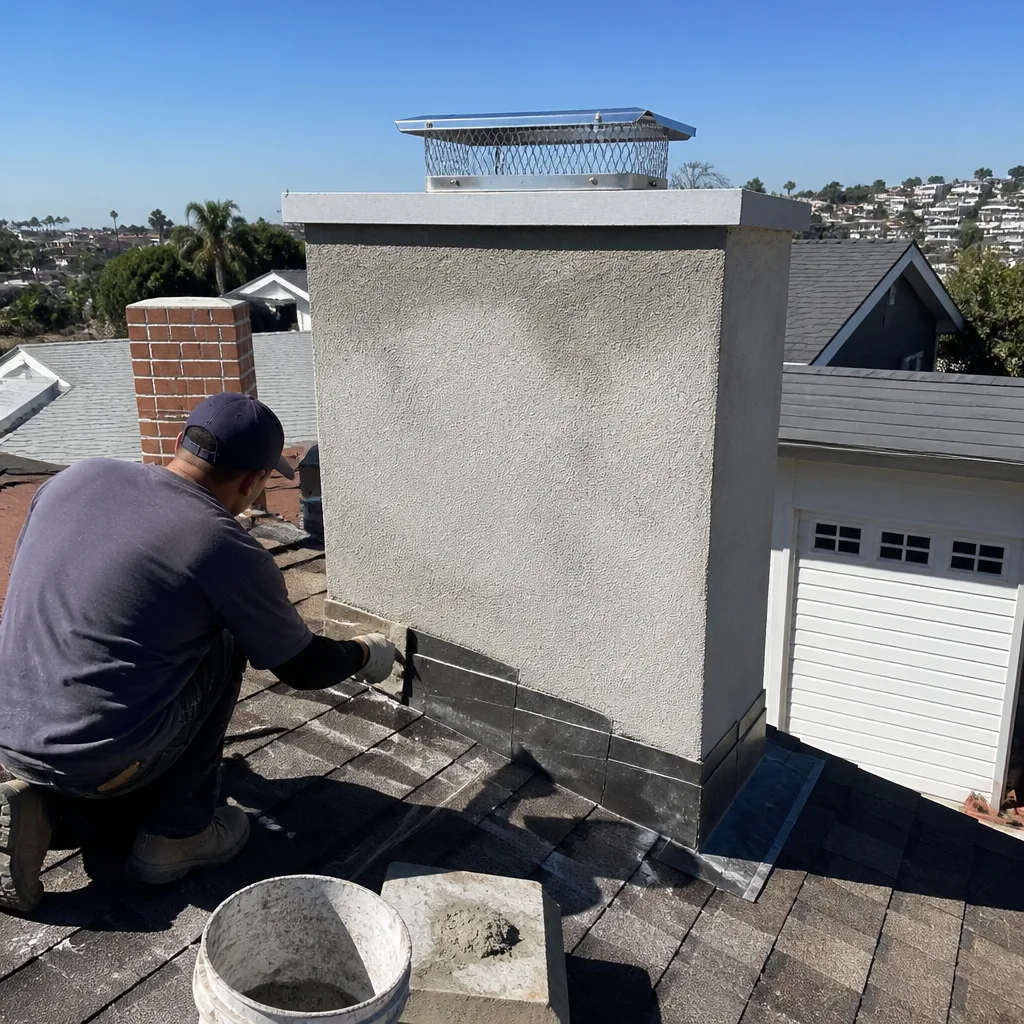
Gelco caps and Olympia Chimney components also appear in our repair work because they’re engineered for coastal corrosion. The marine air in Redondo Beach doesn’t just rust your patio furniture; it oxidizes chimney caps, dampers, and exposed metal flue components within a few seasons. A galvanized cap from a big-box store will fail in two or three years here. A stainless cap from a brand that designs for coastal environments will last far longer.
The practical test is simple. Ask your contractor which brand they’re installing and why. If the answer is “whatever works” or “they’re all pretty much the same,” you’re talking to a cleaner who dabbles in repair, not a repair specialist. There’s a difference, and it shows up in the warranty, the installation quality, and how long the repair actually lasts.
The Three Product Categories Every Homeowner Should Recognize
Most chimney repairs fall into one of three product families. Each addresses a different failure mode, and using the wrong category for the wrong problem is the most common cause of repeat repairs we see when we take over jobs from other contractors.
Cast-in-place liner systems pour a cementitious or ceramic refractory material around an inflatable form, creating a new flue surface that bonds to the existing masonry. These systems are ideal when the original clay tiles are cracked, spalled, or missing mortar joints but the surrounding chimney structure is still solid. They restore a smooth, insulated, continuous flue path without demolition.
Flexible stainless liner systems run a corrugated metal tube down the existing flue, creating a new combustion gas pathway inside the old one. These are specified when a new appliance has been installed, when a flue needs to be resized, or when a masonry flue has deteriorated beyond the point where resurfacing makes sense. Stainless flex liners are the workhorse of modern chimney relining.
Sealant and resurfacing systems like HeatShield’s ceramic coating are a middle path. They don’t replace the liner, but they don’t just patch cracks either. The material fills gaps, smooths rough surfaces, and restores the flue’s ability to contain heat and combustion gases. For many Redondo Beach homeowners with moderate liner damage, this is the right balance of cost and longevity. See The Complete Chimney Sweep Guide for Redondo Beach Homeowners for related maintenance guidance.
Here’s the pattern in what we’ve seen: a homeowner calls three contractors. One recommends a full liner replacement for $6,000. Another says a $400 patch will do. A third says the liner can be resurfaced for somewhere in between. The first is often right for severe damage, the second is usually wrong for anything beyond a superficial crack, and the third is right for moderate spalling. The brand choice is what separates an informed resurfacing recommendation from a guess.
Matching Product to Appliance: Gas, Wood, and Pellet
The fuel source determines the liner specification. This is not a preference question. It’s a code and safety requirement, and using the wrong liner material voids both the product warranty and, in many cases, your homeowner’s insurance coverage.
- Gas inserts and gas fireplaces need a liner rated for continuous exposure to acidic condensate. Gas combustion produces water vapor that condenses inside the flue and carries corrosive byproducts. A gas-rated stainless liner, typically a specific alloy, resists this acidic environment. Run a wood-rated liner in a gas flue and you’ll see perforation within a few seasons.
- Wood-burning fireplaces and stoves need a liner rated for high temperatures and creosote exposure. Wood fires produce creosote, which is corrosive and can ignite if the liner isn’t designed to contain a chimney fire. The liner must be rated for 2100°F intermittent exposure, and the installation must include proper insulation to maintain draft and protect surrounding combustibles.
- Pellet stoves are a unique case. Pellet combustion is efficient but produces acidic, low-temperature exhaust that condenses easily. A pellet-rated liner is specifically designed for this environment, and it’s usually a smaller diameter than what a wood stove would use. Venting a pellet stove into a liner spec’d for wood is a recipe for corrosion and poor draft.
In Redondo Beach, gas fireplaces are common in older homes that have been renovated, and wood-burning fireplaces remain popular in the Avenues and the Riviera neighborhoods. We’ve also seen a steady increase in pellet stove installations in homes where owners want a wood-like heating experience without the smoke. Each appliance type requires a different liner specification, and the contractor who doesn’t ask what you’re burning before quoting a liner is telling you everything you need to know.
HeatShield and Ceramic Resurfacing: When a Liner Can Be Saved
HeatShield is a ceramic material applied to the interior of an existing chimney flue. It’s designed to bond with masonry and create a new, smooth, insulated surface that restores the flue’s structural and thermal function. The product was developed specifically for the scenario where clay tile liners have cracked or spalled but the chimney’s outer structure is intact.
When we use HeatShield in a Chimney Repair in Redondo Beach, the process starts with a camera inspection. We need to see exactly what we’re dealing with: the size and location of cracks, the condition of the mortar joints, whether there’s any offset or misalignment in the flue. That camera footage is part of the report you get, so you’re not taking our word for the diagnosis.
The resurfacing process itself involves cleaning the flue thoroughly, then applying the ceramic material in layers to build up a uniform surface. The result is a flue that’s restored to a smooth, sealed condition without demolition. For a homeowner facing a full clay liner replacement, HeatShield can be the difference between a four-figure repair and a five-figure teardown.
But it’s not always the right tool. If the flue has significant structural movement, or if the clay tiles have shifted out of alignment, resurfacing doesn’t solve the underlying problem. That’s where honest assessment comes in. In our experience, maybe seven out of ten clay liner failures in Redondo Beach are candidates for resurfacing. The other three need a flexible stainless liner or a more extensive rebuild. The point is that you want a contractor who can distinguish between those situations, not one who always recommends the same fix regardless of what the camera shows.
Flexible Stainless Liner Systems: DuraFlex, Flex-King, and Rockflex Compared
Flexible stainless steel liners are the standard solution when a chimney needs a completely new interior flue path without rebuilding the masonry. They’re installed by threading a corrugated metal tube down the existing chimney, then insulating and connecting it to the appliance. Here’s how the major product lines break down.
DuraFlex is a flexible stainless liner system known for its durability in both gas and wood applications. It’s a workhorse product that we specify frequently because it handles high-temperature wood service well and resists the condensation issues that come with gas service. The alloy composition matters here. Cheaper flexible liners use thinner-gauge or lower-grade stainless, and in Redondo Beach’s salt air, that shows up as pitting and perforation within a few years.
Rockflex is designed for heavier-duty applications, including wood stoves and fireplaces that see frequent use. The wall thickness and alloy are suited for higher temperature cycling. If you burn wood regularly through a coastal winter, Rockflex is worth the step up from a basic liner because it’s engineered for that repeated thermal stress.
Flex-King is another flexible liner product line that appears in the market, positioned for standard gas and wood service. The key distinction isn’t the brand name on the box; it’s the alloy grade, wall thickness, and insulation specification that the contractor chooses. A knowledgeable contractor can explain why they’re using a specific gauge and alloy for your appliance, in your climate.
None of these are “better” in an absolute sense. Each has an appropriate application. The contractor’s job is to match the liner to the appliance, the expected burn cycle, and the local environment. In Redondo Beach, the local environment includes corrosive salt air, which argues for higher-grade stainless than you’d need inland. A liner that lasts twenty years in Torrance might last eight years near the Esplanade if it’s the wrong alloy.
Questions to Ask Before You Sign Anything
Most homeowners don’t know enough about chimney products to evaluate a quote on technical merit. That’s fine. You don’t need to be a chimney engineer. You need to be able to tell whether the contractor is. Asking these questions, and watching how they answer, will separate the specialists from the sweep-and-go operations.
- “Which specific product line are you installing, and why that one for my flue?” This is the single most revealing question. A contractor who hesitates, or offers a generic answer, probably doesn’t stock a specific product or doesn’t understand the differences between them.
- “Are you an authorized or certified installer for that brand?” Brands like HeatShield and DuraFlex provide training and certification to installers. An uncertified contractor may still be able to buy the product, but they won’t have the manufacturer’s technical support if something goes wrong.
- “Can you show me the camera footage?” Before any repair is quoted, the flue should be inspected with a camera. If a contractor quotes a liner replacement without looking, walk away. You can’t diagnose what you can’t see.
- “What’s the warranty on the product, and what does it cover?” Reputable manufacturers back their products with written warranties. The contractor should know the warranty terms and should put them in writing in your quote.
- “What happens if the repair doesn’t solve the problem?” This tests their accountability. A contractor who can’t give a straight answer about what they’ll do if their repair fails is telling you they don’t expect to be held responsible.
- “Is the liner rated for my specific appliance type?” Gas, wood, and pellet all require different specifications. If they answer “a liner’s a liner,” you have your answer.
A good contractor answers these questions quickly and specifically. A bad contractor gets defensive or vague. The difference is usually obvious within the first minute.
Why Multi-Line Certification Matters for Lifecycle Continuity
There’s a practical reason to prefer a contractor who works across multiple certified product lines. Chimneys are systems, and system problems don’t respect product boundaries. A cracked crown might lead to water infiltration that corrodes a damper that then affects draft that then creates creosote buildup. If you have one contractor for cleaning, another for the crown, and a third for the damper, each one can do their job correctly and the system still fail because nobody’s looking at the whole thing.
This is why we’ve built our Chimney Sweep in Redondo Beach service around a diagnostic approach. We come for the cleaning, but we’re looking at the entire system while we’re there. The brand portfolio, including DuraFlex, HeatShield, Gelco, Olympia Chimney, Famco, and Copperfield, reflects that. Each product line was chosen because it solves a specific problem in the chimney lifecycle. We don’t install products we don’t understand, and we don’t recommend repairs that the camera inspection doesn’t support.
There’s also a compatibility angle. If a previous contractor installed a liner from one manufacturer, and a different contractor comes in to repair a section of it with components from another manufacturer, the connection points may not align. Stainless liners have specific coupling systems. Caps have specific base dimensions. Dampers have specific mounting hardware. When the entire system comes from one brand ecosystem, repairability is higher because components are designed to work together.
For a Redondo Beach homeowner who plans to stay in the home for a decade or more, this continuity matters. The chimney you have today should be serviced with the same level of attention in five years. A contractor who changes products every season based on supplier pricing is introducing unnecessary variables into a system that should be consistent.
How Redondo Beach Conditions Shape Product Choice
Redondo Beach is a demanding environment for chimneys in ways that inland communities don’t experience. The salt air that defines coastal living here is corrosive to metal components, particularly exposed caps, dampers, and any galvanized hardware. The marine layer brings morning moisture that works into masonry, expanding and contracting as temperatures shift through the day. And the homes themselves, many built during the postwar boom of the 1940s through 1960s, often have original clay tile liners that have been in service for sixty years or more.
Those factors argue for two things. First, use products engineered for coastal corrosion resistance. A standard galvanized cap will look terrible and fail functionally within three to five years here. A stainless cap from a brand that considers coastal exposure in its design, like the Gelco and Olympia Chimney products we install, will last substantially longer.
Second, don’t defer chimney maintenance in this climate. The same moisture that rusts your patio furniture is working on your chimney from the inside and out. A liner crack that’s merely unsightly in a dry climate is an active water pathway in Redondo Beach. Water that gets into the flue accelerates liner spalling, corrodes damper hardware, and saturates the masonry, which then freezes and expands in those rare cold snaps and cracks the exterior.
We also see a higher rate of pellet stove and gas insert installations in Redondo Beach than in surrounding inland communities, which means there are more flues out there with mismatched liners. A homeowner who converted a wood fireplace to gas a decade ago may still be running the original clay flue, which isn’t rated for gas condensate. That’s a hidden problem until the liner starts deteriorating from the inside. Routine inspections, with a camera, catch these problems before they become structural failures.
Common Mistakes to Avoid
- Accepting a quote without a product name. If the quote says “new liner” without specifying the manufacturer and model, the contractor is either buying whatever’s cheapest or doesn’t know the difference. Neither is acceptable.
- Choosing based on price alone. A cheap liner in Redondo Beach is a false economy. The salt air will eat a low-grade stainless liner in a few years, and you’ll pay for the job twice. Get the right alloy the first time.
- Skipping the camera inspection. No legitimate repair quote should be issued without a video inspection of the flue interior. If a contractor quotes a repair without looking, they’re guessing.
- Assuming all flexible liners are interchangeable. Gas, wood, and pellet applications require different alloys and temperature ratings. Installing the wrong liner voids the warranty and creates a fire safety hazard.
- Deferring a minor repair until next season. In Redondo Beach’s marine air, a small crack is a water entry point. What’s a $400 repair this year becomes a $4,000 relining job in three years.
- Hiring a cleaner to do a repair. Many chimney sweep companies offer repair as a sideline but don’t carry certified repair products or hold manufacturer training. Ask about brand certification specifically.
- Ignoring the dryer vent. This seems like a separate issue, but in coastal homes with older utility rooms, dryer vent systems often share wall cavities with chimney runs and face the same moisture and lint-buildup hazards. It’s a single call for both systems.
See the difference
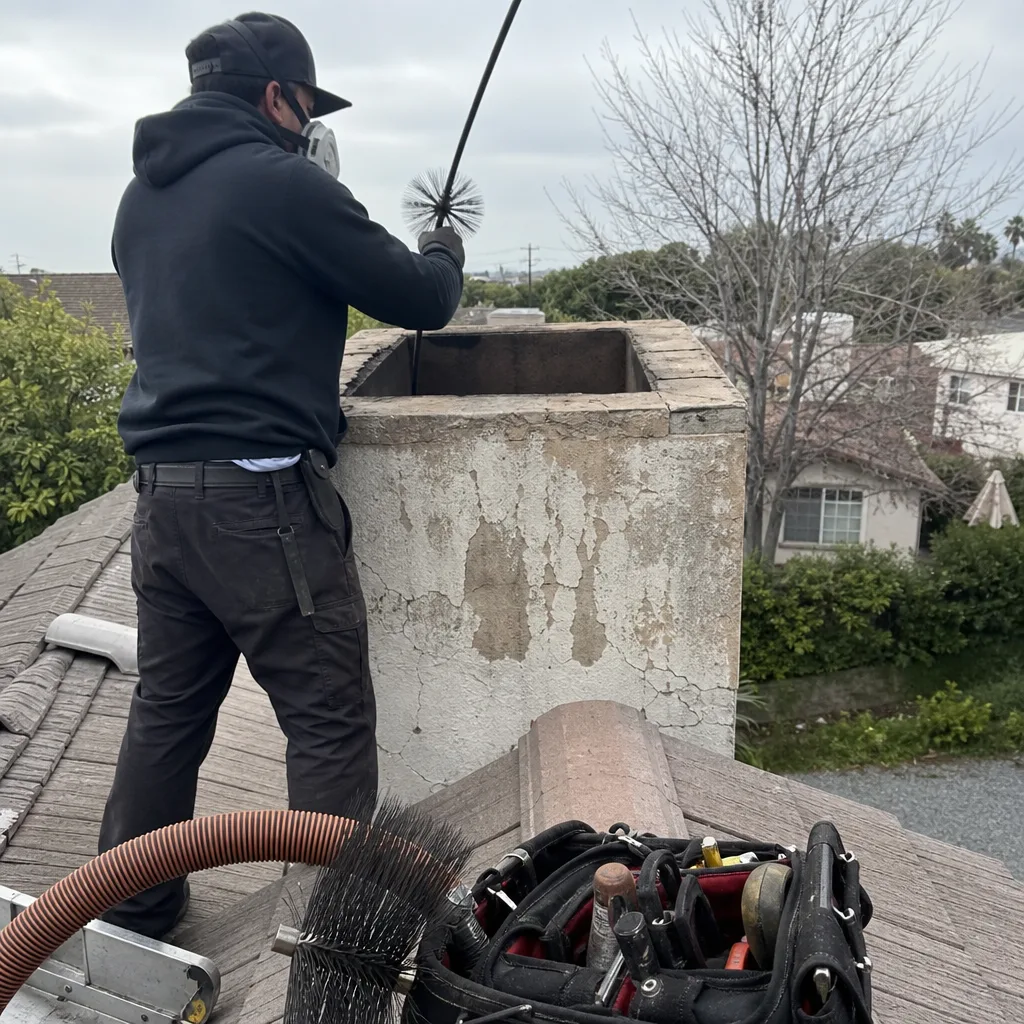 Before
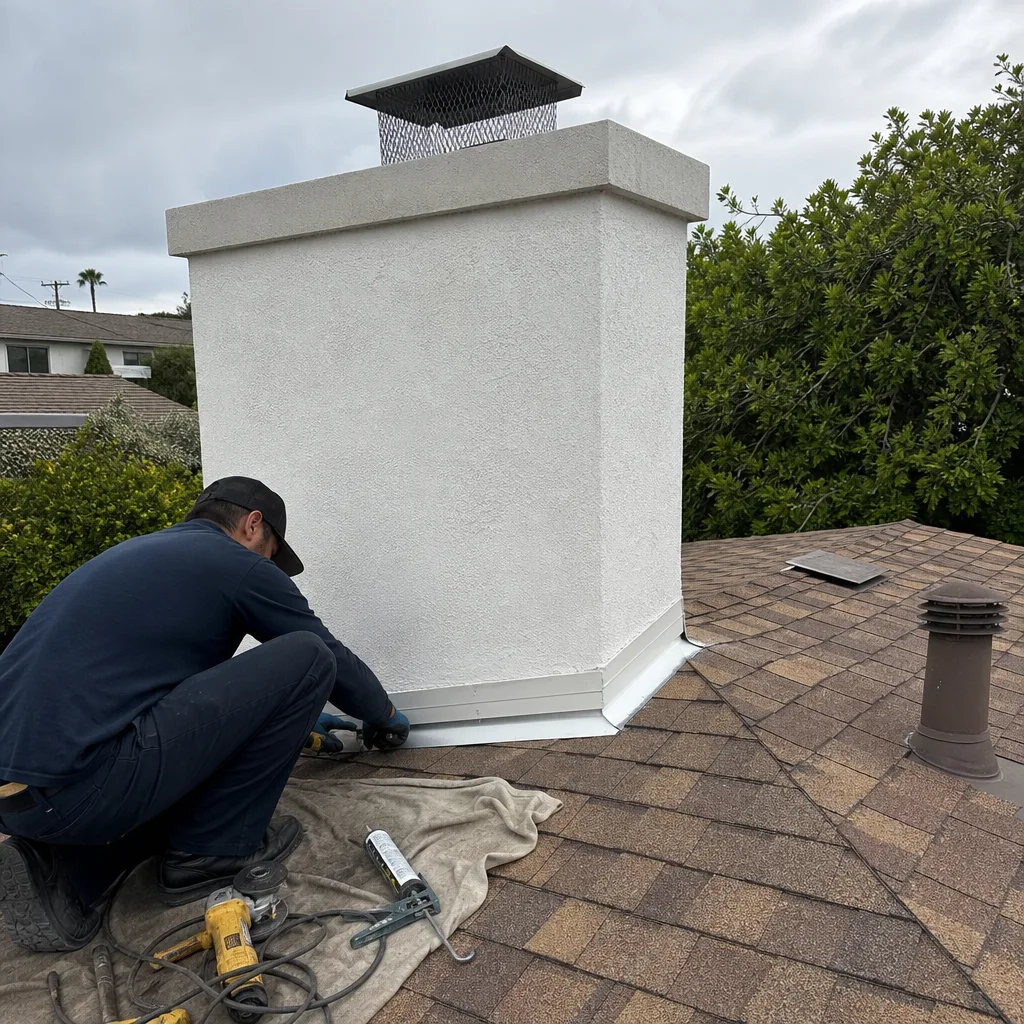 After
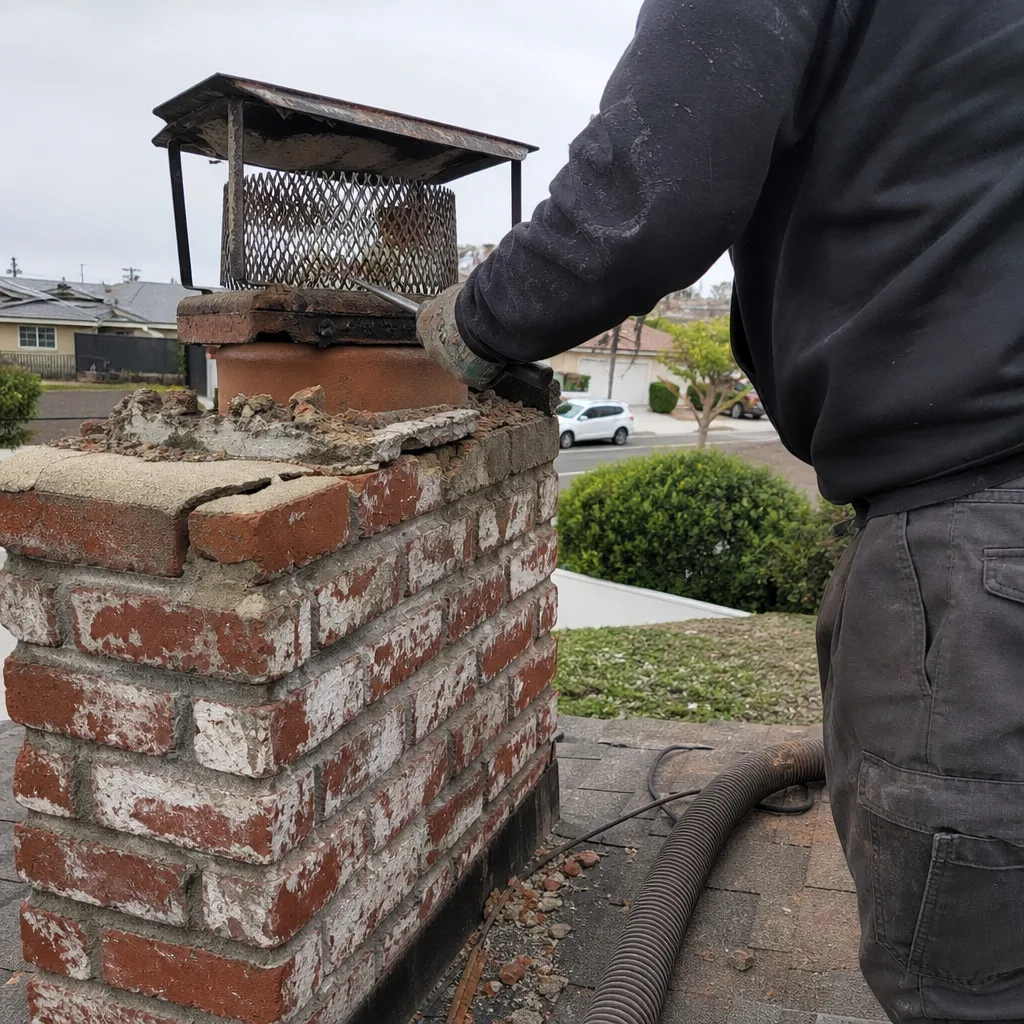 Before
 After
 Before
 After
When to Call a Professional
A visible crack in the fireplace firebox, white staining on the chimney exterior, or a persistent smoky smell inside the home all indicate a flue problem that should be evaluated by a professional with a camera. Likewise, if your last sweep reported a cracked tile or spalled mortar, don’t wait for it to get worse. The repair window narrows as water continues to penetrate the flue. Chimney Sweep Redondo Beach offers free estimates in Redondo Beach, call (866) 632-1088 to schedule a camera inspection.
Frequently Asked Questions
That depends on the type and extent of the damage, and it can only be determined with a camera inspection. Clay tile liners with moderate cracking and spalling are often candidates for HeatShield ceramic resurfacing. Liners with structural movement, offset tiles, or extensive deterioration typically need replacement with a flexible stainless system. Call (866) 632-1088 for a camera inspection and an honest recommendation.
Redondo Beach follows California state building codes, which require that flue systems be properly sized, rated for the appliance type, and maintained in safe operating condition. The practical requirement is that any liner you install must be rated for the fuel you’re burning. Gas appliances require a gas-rated liner, wood-burning appliances require a wood-rated liner, and using the wrong one is a code violation that also voids your insurance coverage.
That’s actually a good sign. A contractor who specifies the brand and product line is telling you exactly what they’re installing and can explain why they chose it. Contractors who don’t specify a product are often sourcing whatever is cheapest or available that week, which means the liner may not be properly rated for your appliance. Specificity is a signal of competence.
The National Fire Protection Association recommends an annual inspection, with cleaning as needed based on buildup. In Redondo Beach, salt air and marine moisture make annual inspections more important than in drier climates because moisture accelerates creosote degradation and masonry wear. Homes that burn wood regularly through the winter should be swept every season.
It’s real. Lint accumulation in dryer vents is a leading cause of residential fires in the United States, and it’s especially common in older homes with long or poorly routed vent runs. Our Dryer Vent Cleaning in Redondo Beach service addresses the full vent system from dryer to exterior cap, and we use Famco components when repairs or replacements are needed. One call covers both chimney and dryer vent fire safety.
No. An unlined or deteriorated flue allows heat and combustion gases to reach combustible materials inside the chimney structure, which is how chimney fires start. Even occasional use creates creosote deposits, and creosote in a compromised flue is a fire waiting to happen. If your liner is damaged, repair it before you burn again.
The Bottom Line
Chimney repair in Redondo Beach starts with knowing what you’re putting in your flue. Certified brands like HeatShield, DuraFlex, Gelco, Olympia Chimney, and Famco exist because different failure modes require different solutions, and using the wrong product is not just inefficient. It’s dangerous. Vet your contractor by asking for specific product names and the reasoning behind them. Demand camera evidence before any repair is quoted. Insist on a warranty in writing. And when in doubt, get a second opinion from a contractor who works across multiple certified product lines. Your chimney is a system, and it deserves a systems thinker, not a supply-house shopper.
For expert chimney care in Redondo Beach, Chimney Sweep Redondo Beach home offers comprehensive inspection, cleaning, and certified-brand repair services. Call (866) 632-1088 for a free estimate.
Written by the team at Chimney Sweep Redondo Beach, serving Redondo Beach since 2017.