
Last updated November 2, 2026
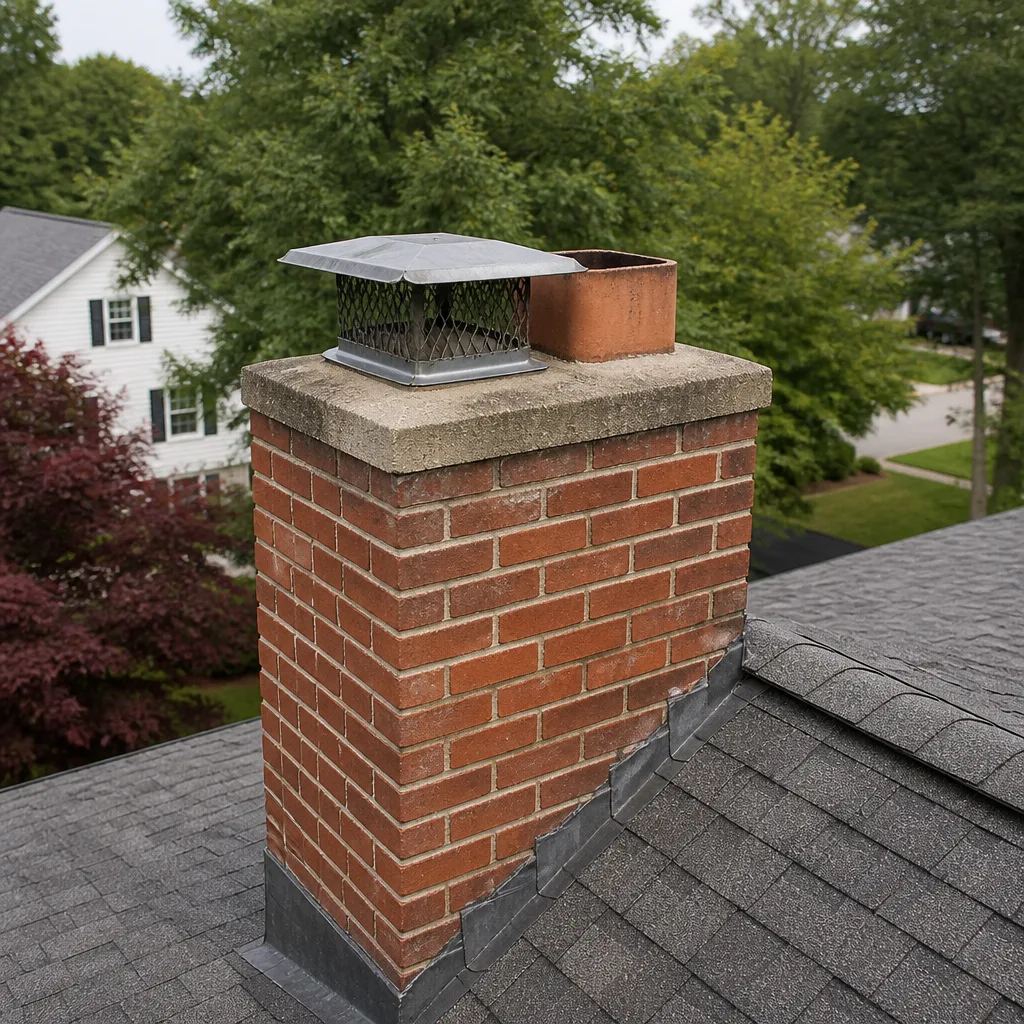 Sweep & inspection
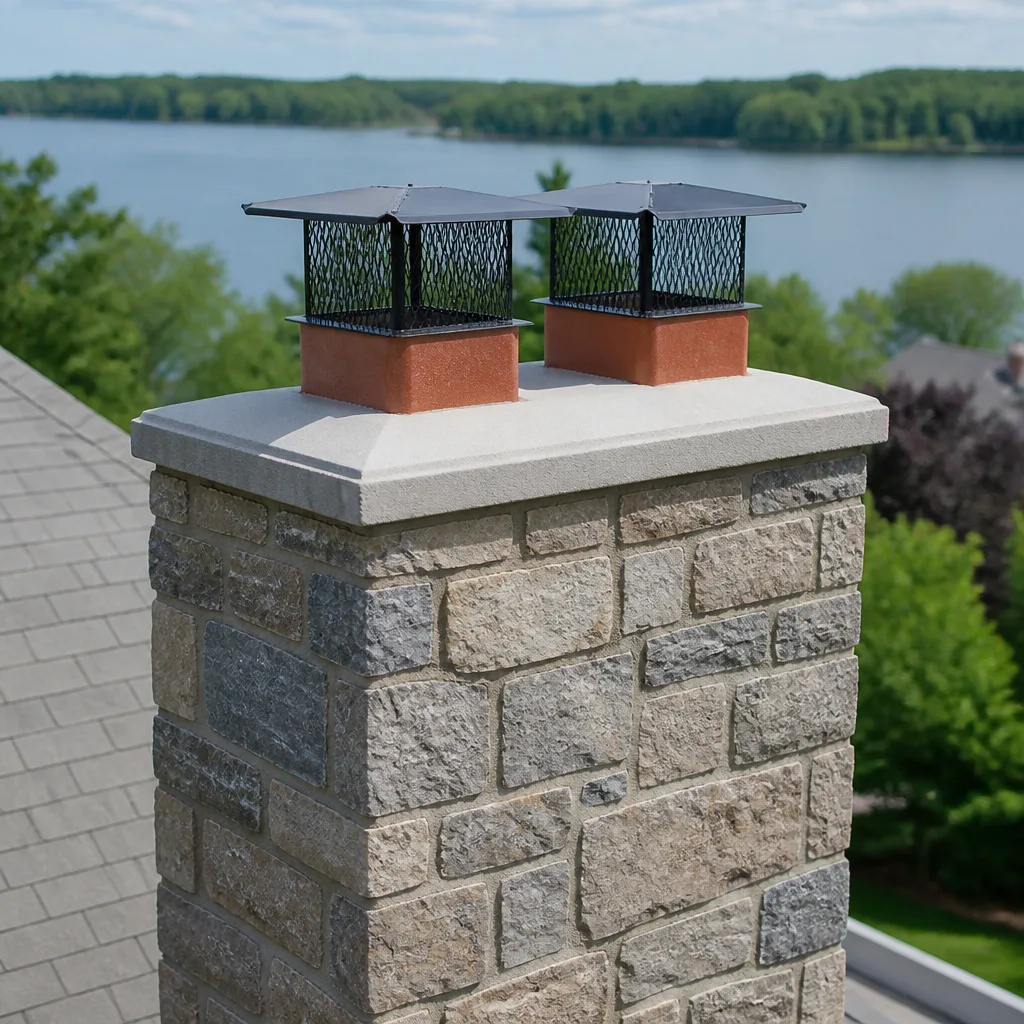 Caps & crowns
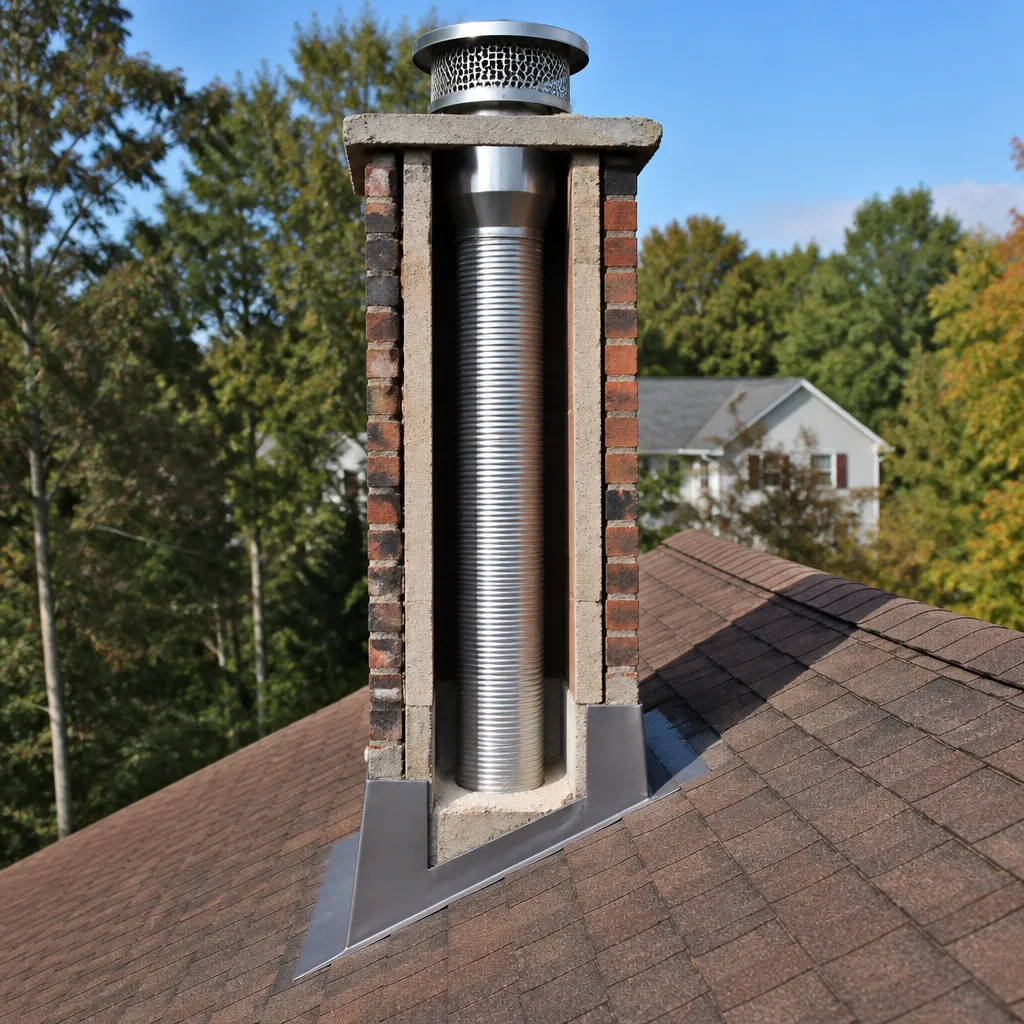 Flue relining
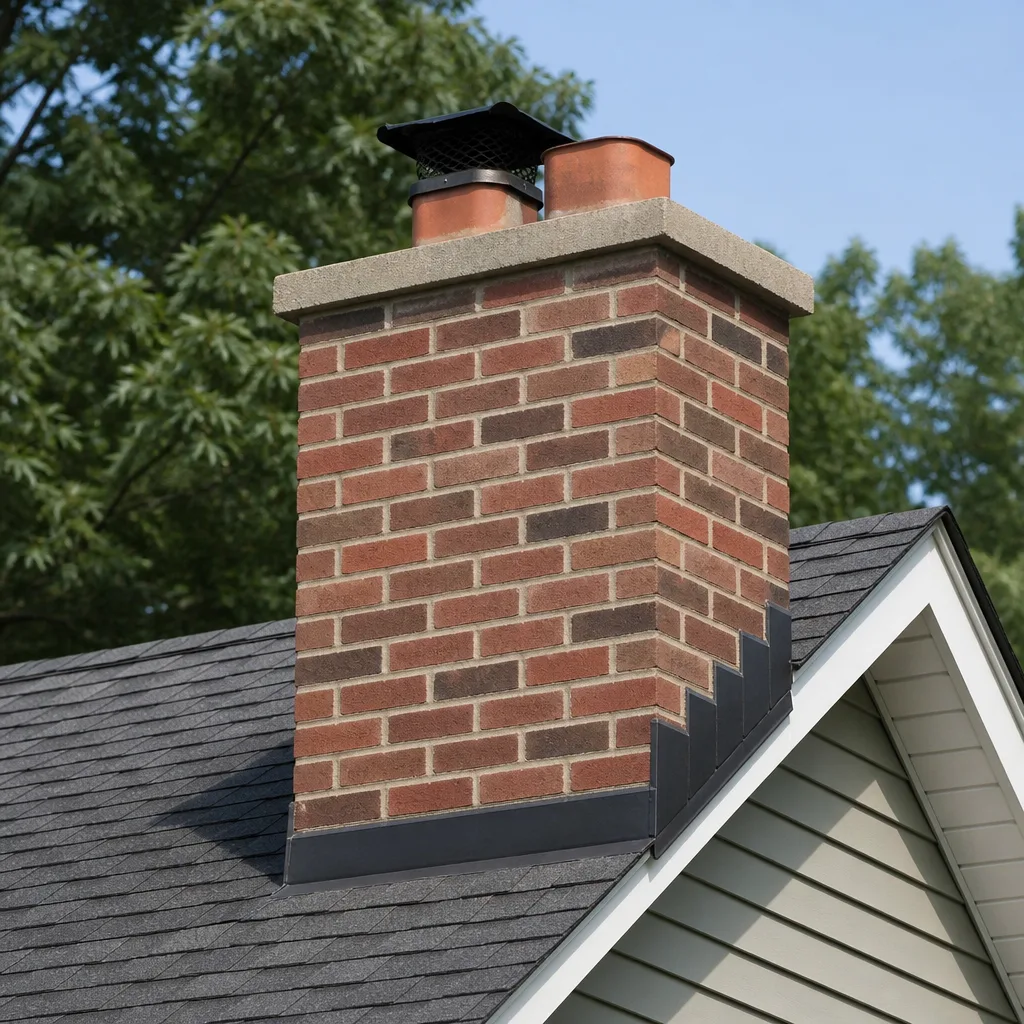 Masonry repair
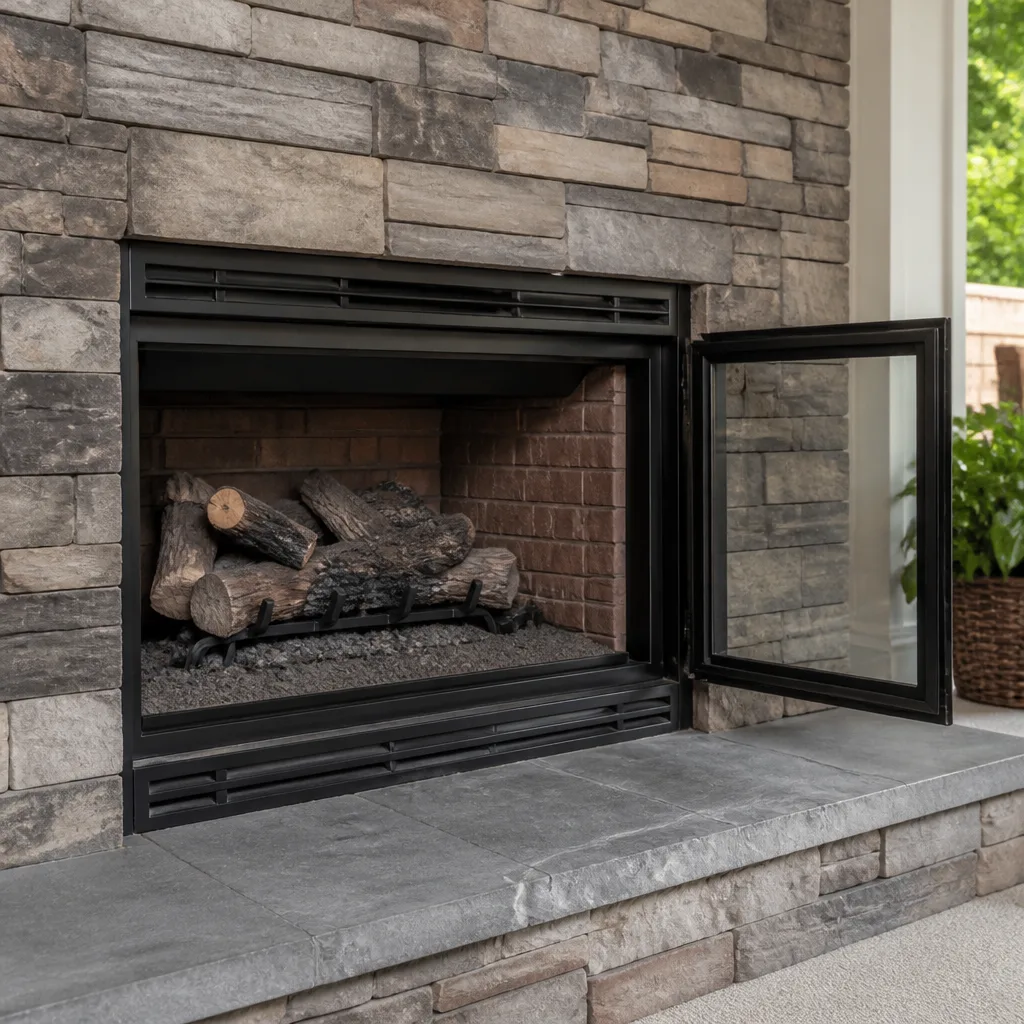 Gas fireplace service
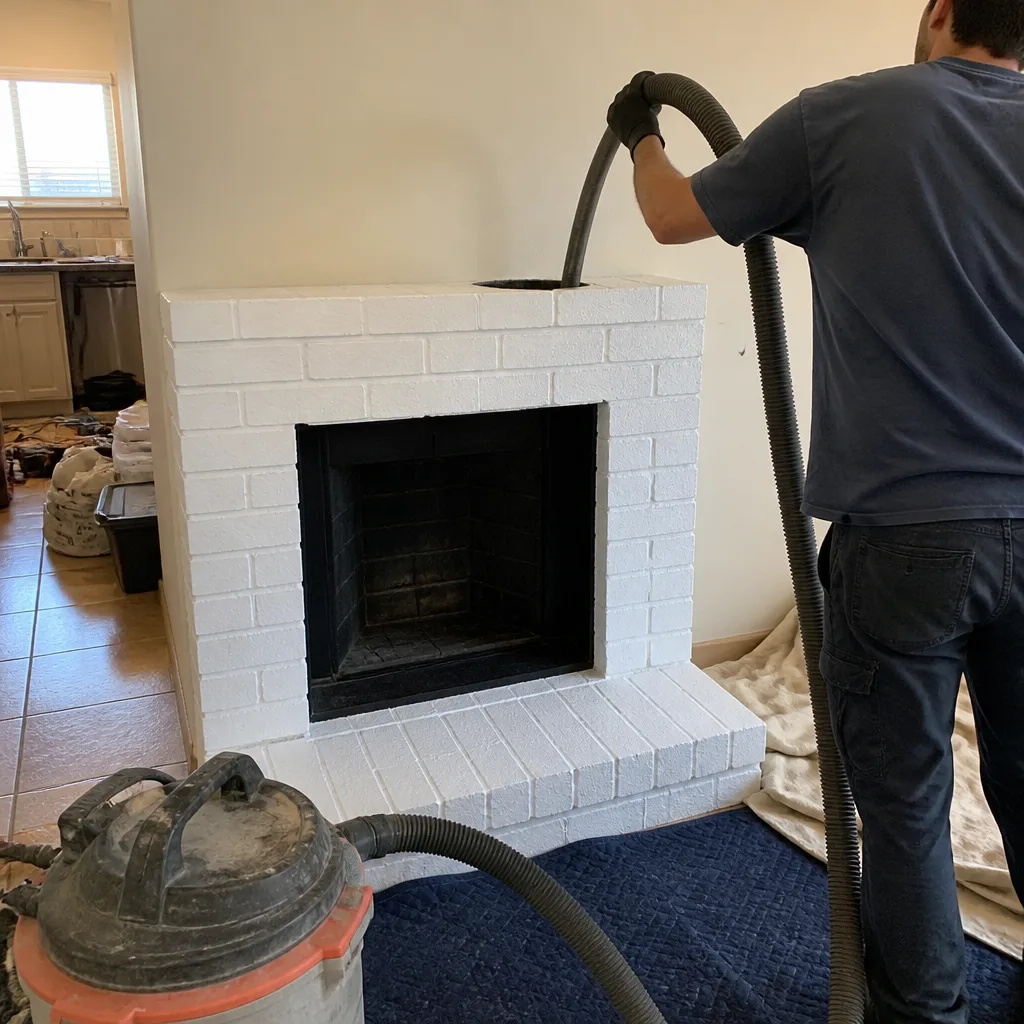
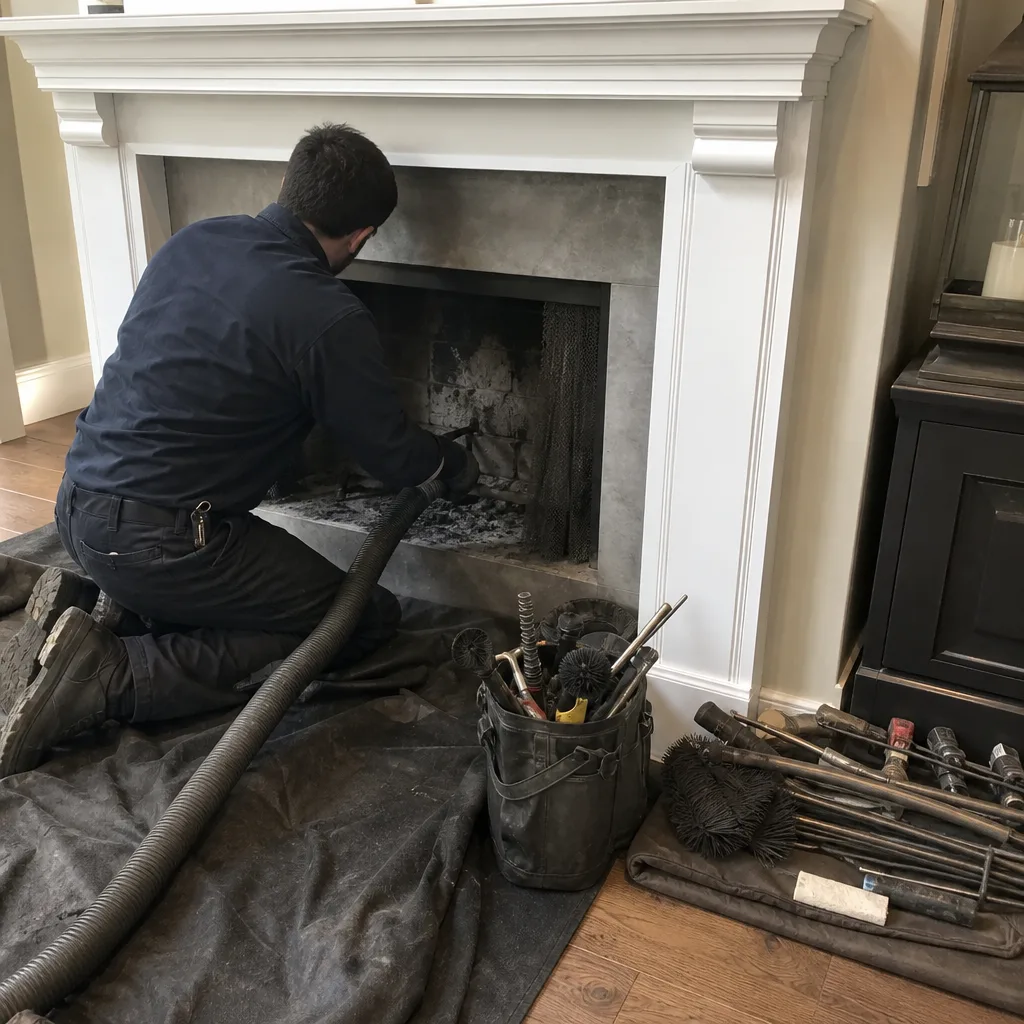
Level 1 sweep and inspection to the NFPA 211 annual standard - flue, crown, cap, and flashing checked and photographed
Chimney sweep logs do not sweep chimneys. They loosen some creosote - which then falls where a brush and vacuum still have to collect it.
Seasonal Chimney Cleaning Care for Redondo Beach: Year-Round Homeowner’s Guide
Most chimney advice you’ll find online was written for places with real winters. Redondo Beach isn’t one of them. Our marine layer deposits more moisture inside a dormant flue from May through August than most rainstorms do. That changes everything about when you should schedule a sweep, what you should look for between cleanings, and why waiting until October is the single most common mistake we see homeowners make in the South Bay. This guide walks you through the actual two-season cycle Redondo Beach chimneys live by, along with the coastal-specific checks that keep your fireplace safe and functional year after year. For more guides & resources, visit our blog.
Quick Answer
Seasonal chimney cleaning in Redondo Beach follows a two-phase rhythm, not the four-season model you see in national guides. The smartest time to schedule your annual Chimney Sweep in Redondo Beach is late August through early October, before the brief heating season starts, because June Gloom and coastal fog have been depositing moisture and promoting creosote adhesion inside your flue all summer. A post-season inspection in spring catches the corrosion, spalling, and cap damage that salt air and dormant moisture create before they become expensive repairs.
Styles & brands we work with
- Sweep & inspection
- Caps & crowns
- Flue relining
- Masonry repair
- Gas fireplace service
Table of Contents
- Why Redondo Beach Has Two Chimney Seasons, Not Four
- How June Gloom Actually Damages Your Chimney
- The Optimal Pre-Season Window: Late August to Early October
- Post-Season Tasks for Redondo Beach’s Mild Winters
- Dryer Vent Seasonal Care Alongside Your Chimney
- Year-Round Cap, Crown, and Chase Cover Checks for Coastal Salt Exposure
- What a Homeowner Can Safely Check vs. What Needs a Pro
- Common Mistakes to Avoid
Why Redondo Beach Has Two Chimney Seasons, Not Four
National chimney guides love to talk about fall preparation, winter burning, spring maintenance, and summer rest. That framework assumes you’re dealing with freezing temperatures, snow load, and a five-month heating season. Redondo Beach operates on an entirely different clock.
We have two functional seasons. The marine-influence off-season runs roughly May through late September, when your fireplace is dormant but the coastal air is doing slow, steady work on your flue and masonry. The heating season runs October through February, give or take a few cool weeks, and it’s far shorter and milder than what a homeowner in Minneapolis would recognize.
Here’s what the two-phase cycle actually means for maintenance:
- The off-season is when most damage happens. Moisture from fog and marine air sits inside a cool, unused flue. Creosote from last season’s fires absorbs that moisture, expands, and becomes more corrosive. Mortar joints in the chimney crown and brickwork wick water and slowly degrade.
- The heating season is when that damage reveals itself. A flue that was fine in March may perform poorly in November because seven months of salt air and moisture exposure have taken their toll. Smoke backs up. Draft feels weak. An odor appears when the fireplace is lit for the first time.
- Timing matters more than frequency. Most Redondo Beach chimneys need one thorough sweep and inspection per year, but when you schedule it determines whether you catch problems early or discover them mid-fire.
Applying a four-season national framework to Redondo Beach means over-servicing at the wrong times and under-maintaining at the critical ones. The rest of this guide maps the two-season cycle so you know exactly what to do and when.
How June Gloom Actually Damages Your Chimney
If you’ve lived in Redondo Beach for any length of time, you know the pattern. Morning fog rolls in off the Pacific, burns off by early afternoon, and returns in the evening. May Gray gives way to June Gloom, and the cycle repeats for months. What most homeowners don’t realize is that this marine layer is actively working against your chimney the entire time.
Here’s the damage timeline we see across South Bay homes:
- May through August: Marine fog deposits moisture inside the flue, particularly on creosote deposits left from winter fires. Creosote is hygroscopic, meaning it pulls moisture from the air. The moisture breaks down the flue liner’s surface and accelerates masonry deterioration in unlined chimneys.
- Late summer: The cooling and reheating cycle (foggy nights, warm afternoons) causes micro-expansion and contraction inside the flue. Tiny cracks in clay tile liners widen slightly. Mortar joints loosen. The chimney crown, perpetually exposed to this cycle, starts showing hairline fractures.
- September through October: The first seasonal temperature shifts stress those weakened areas. What was a hairline crack becomes a visible gap. What was minor creosote buildup becomes a hardened, glazed layer that’s difficult to remove and highly flammable.
- First fires of the season: The damage is now structural and visible through performance issues: poor draft, smoke spillage, a burning-chemical smell, or a chimney fire if the creosote layer has been left long enough.
We’ve inspected chimneys in South Redondo and the Hollywood Riviera where a fireplace worked perfectly in February and failed to draft properly in November. The damage wasn’t from use. It was from seven months of doing nothing while the marine layer did its work.
The takeaway: don’t treat summer as a maintenance-free season for your chimney. It’s the season when the problems that will plague you in winter are quietly being built.
The Optimal Pre-Season Window: Late August to Early October
If you schedule a chimney sweep in October because “that’s when everyone does it,” you’re already behind schedule. The optimal pre-season inspection window for Redondo Beach is late August through early October, and here’s why:
- You’re cleaning before the rush. Every chimney service in the South Bay gets slammed in late October and November. Booking in late August or September means you get a technician who isn’t racing to the next job.
- You’re sweeping before the marine layer has a final month to work. September is still foggy. If you sweep in late August, you remove the season’s moisture-saturated creosote before it has another 30 days to corrode your liner.
- You have buffer time for repairs. If the inspection turns up a cracked flue tile, damaged cap, or deteriorated mortar joint, you want weeks to address it, not days. A chimney repair discovered on November 5 means choosing between an unsafe fireplace and a cold living room. A repair discovered on September 10 gives you time.
- Early fall fire weather is unpredictable. Santa Ana winds can arrive in September. If you rely on your fireplace for supplemental heat during a cool, windy stretch, you want it inspected and swept before that happens.
- Creosote measurement and removal to safe levels
- Flue liner inspection for cracks, gaps, or spalling
- Chimney cap and spark arrestor condition
- Crown and mortar joint assessment
- Damper operation and seal check
- Firebox and hearth inspection
- Schedule a post-season inspection in March or April. Not necessarily a full sweep if the creosote level is low, but an inspection catches what the heating season did to your flue and what the upcoming marine season will exploit.
- Check the damper seal. Coastal air is humid. If your damper doesn’t seat tightly, that moisture-rich air flows into the firebox and up the flue all summer. A damper that’s even slightly ajar doubles the rate of moisture damage.
- Look for new rust on metal components. The combo of salt air and a season of temperature swings accelerates rust on dampers, caps, and chase covers. Catching rust in March means treating it. Catching it in September means replacing the component.
- Inspect the chimney cap. Birds, especially in spring, look for nesting sites. A damaged cap or missing spark arrestor is an open invitation. Nesting material inside a flue is a fire hazard and a serious blockage risk.
- Clean out the ash pit. Even with a mild season, ash accumulates and holds moisture. Damp ash against firebox brick accelerates deterioration and produces a sour smell that intensifies with spring humidity.
- Summer humidity means longer drying cycles. When the air is already saturated with moisture from the marine layer, your dryer works harder to extract water from clothes. That means more lint per load and faster accumulation in the vent line.
- Fall is the dangerous season for dryer vents. The same October rush that hits chimney services hits dryer vent services. Lint buildup that was manageable in August becomes a fire risk in November when dry Santa Ana air makes everything more combustible.
- Spring is the right time for both inspections. A post-season chimney inspection and a dryer vent cleaning in March or April means both systems are ready for the summer months ahead.
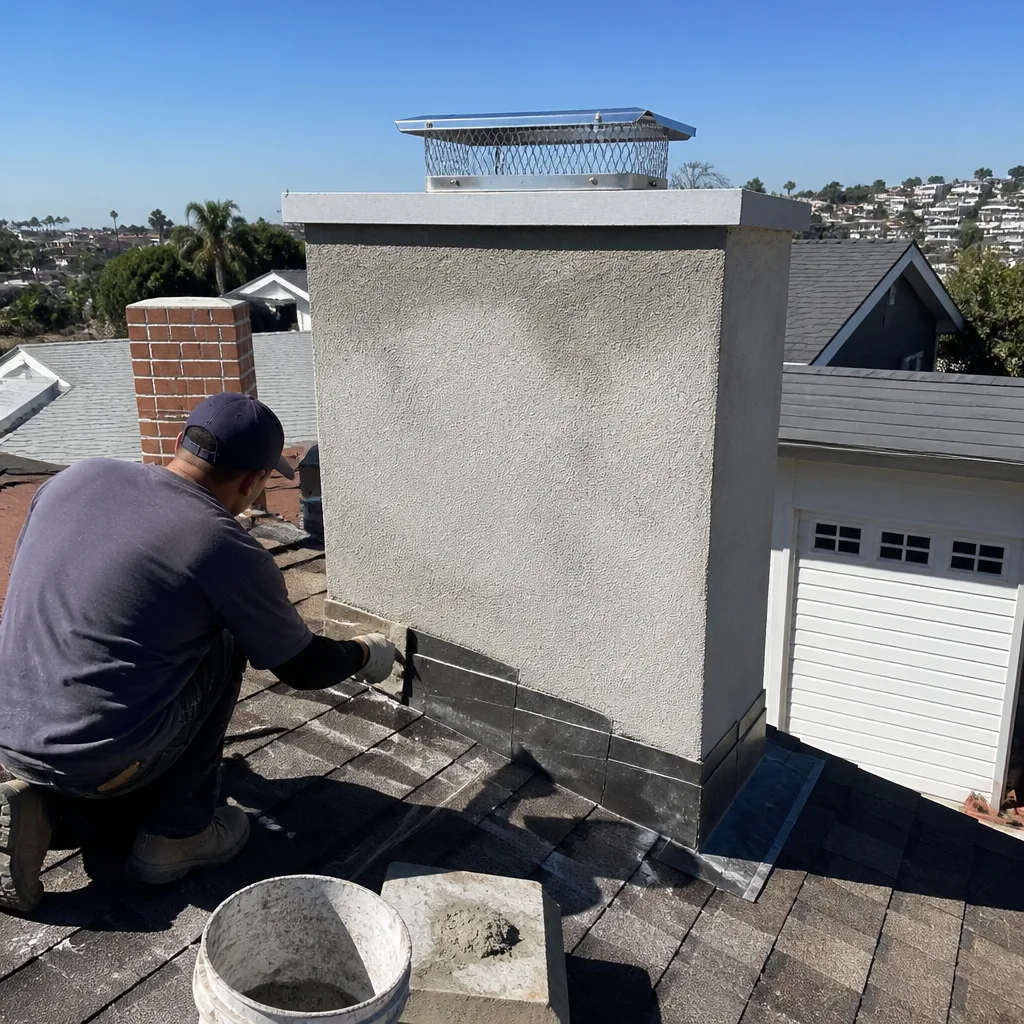
- Chimney cap: Check for rust, warping, or loose mounting brackets every two months. A galvanized cap within a mile of the coast can rust through in three years. Stainless steel from a professional brand like Olympia Chimney lasts far longer.
- Crown (the concrete slab at the top of the chimney): Look for hairline cracks, spalling, or areas where water pools. The crown is your flue’s umbrella. When it cracks, water enters the masonry and accelerates every other problem.
- Chase cover (the metal top on a wood-framed chimney): Inspect for rust spots, especially around the edges and where pipes penetrate. A pinhole rust spot becomes a leak within one rainy season.
- Mortar joints: Watch for crumbling or recessed mortar between bricks. Salt air attacks the lime in mortar, breaking down the bond faster than you’d expect. Repointing is a maintenance task, not a major repair, if caught early.
- Flashing (where the chimney meets the roof): Check for lifting, gaps, or rust staining on the surrounding roof. Coastal wind works flashing loose over time, and a loose flashing is a roof leak waiting for the next rain.
- Visual cap inspection from the ground. Look for rust, missing sections, or obvious warping with binoculars.
- Damper operation. Open and close it. If it sticks, makes unusual noises, or doesn’t seat fully, that’s a sign moisture is getting through.
- Firebox and hearth visual check. Look for cracked bricks, crumbling mortar, or accumulated debris before each burn.
- Odor monitoring. A musty or acrid smell from the fireplace during summer months indicates moisture and creosote buildup. Don’t ignore it.
- Dryer vent exterior check. The cap should open when the dryer runs. If lint is visible around the cap or the flap doesn’t move, that’s your cue to schedule a cleaning.
- Roof-level chimney access. Roof work, especially on Redondo Beach’s often-steep residential roofs, carries fall risk. A trained technician has the right equipment and safety training.
- Flue liner inspection. You cannot see the inside of your flue from the ground or the firebox. A professional uses cameras and specialized lighting.
- Creosote removal. Brushing a flue without proper technique risks damaging the liner or leaving dangerous deposits behind. Professional equipment and training matter.
- Crown and mortar repair. This requires specific materials, tools, and an understanding of how those materials bond with existing masonry. A bad patch job can trap moisture and make the original problem worse.
- Any repair involving Chimney Repair in Redondo Beach products. Installing a DuraFlex liner or applying a HeatShield restoration coating requires training and certification. These are not DIY materials.
- Waiting until October to schedule. You’ll be competing with every other Redondo Beach homeowner for the same two-week window, and any repair work discovered during the inspection gets delayed until after the season starts.
- Assuming a light season means no maintenance. Even five fires deposit enough creosote to hold moisture through the fog months. The off-season damage happens whether you burned often or barely at all.
- Ignoring summer fireplace odor. A musty smell from the firebox in July or August is a symptom of moisture and creosote interacting. It won’t fix itself, and it signals conditions that are actively degrading your flue.
- Replacing a damaged cap with a galvanized model. Big-box store galvanized caps rust through in three years of Redondo Beach salt air. Professional stainless steel lasts decades.
- Treating the chimney and dryer vent as separate concerns. Both are fire hazards, both follow the same coastal seasonal pattern, and both benefit from the same inspection visit.
- Skipping the post-season inspection because spring is busy. The March-April window is when you catch what winter did and what summer will worsen. Skipping it means discovering the damage in September, with less time to fix it.
- Using the fireplace as a garbage incinerator. Burning wrapping paper, cardboard, or treated wood creates creosote faster than anything else and can send burning materials up the flue. Burn only seasoned hardwood or manufactured fireplace logs.
During a pre-season sweep, the technician should do more than brush the flue. A proper inspection covers:
Our team uses Olympia Chimney components for many of the cap and termination products we install during pre-season work. We specify their products because the stainless steel holds up against Redondo Beach’s salt air far better than the galvanized hardware you find on big-box store shelves, which we’ve seen rust through in under three years within a mile of the coast.
Post-Season Tasks for Redondo Beach’s Mild Winters
In most of the country, post-season chimney maintenance means dealing with damage from snow, ice, and sustained high heat. Redondo Beach’s version is different. Your fireplace might see ten to twenty fires between November and February. That’s a light season by national standards, but it’s still enough to create specific post-season tasks.
Here’s what to do after even a five-fire season:
One thing we see consistently: Redondo Beach homeowners who skip the post-season inspection because their fireplace “wasn’t used much” end up with the same July moisture damage as heavy users. A five-fire season still deposits enough creosote to hold moisture and enough soot to obscure developing problems. The light season doesn’t exempt you. It just changes what the technician looks for.
Dryer Vent Seasonal Care Alongside Your Chimney
Dryer vent cleaning isn’t a separate seasonal concern. It runs on the same coastal calendar as your chimney, and pairing the two makes practical sense for South Bay homeowners. Both systems are fire hazards when neglected, both accumulate problems during the same months, and both need attention before the seasons shift.
Here’s the seasonal overlap:
For dryer vent work, we stock Famco components. Famco makes the vent caps, terminations, and connectors we trust for coastal installations because their materials are specified for exposure to salt air and moisture without failing at the connection points. A dryer vent cap that rusts off its mounting in 18 months does nothing, and that’s the failure pattern we fix most often in Redondo Beach homes built within sight of the water.
One call covers both systems. Dryer Vent Cleaning in Redondo Beach pairs naturally with a chimney sweep, and scheduling both in the same visit means one technician, one trip, and a whole-home fire safety check in an afternoon. The two leading sources of residential fires tied to home maintenance are chimneys and dryer vents. Treating them as separate, unconnected concerns is the old way of doing things.
Year-Round Cap, Crown, and Chase Cover Checks for Coastal Salt Exposure
National chimney guides talk about freeze-thaw cycles. Redondo Beach doesn’t have those. What we have is salt air, and it’s arguably more corrosive to chimney components than ice. Salt particles carried on wind and deposited by fog accelerate rust on metal and deteriorate mortar at a rate that surprises homeowners from inland areas.
Here’s the year-round coastal checklist:
We recommend doing a visual check from the ground or a safe roof vantage point every two months, plus a professional inspection at least once annually. The ground check catches obvious rust and damage. The professional inspection catches what you can’t see from below: internal liner condition, hidden crown fractures, and the integrity of components that require a full visual.
What a Homeowner Can Safely Check vs. What Needs a Pro
Some seasonal chimney tasks are safe for a homeowner. Others are not. Knowing the line between the two saves you money without putting you at risk.
Safe to Check Yourself
Leave to a Professional
Common Mistakes to Avoid
When to Call a Professional
Call a chimney professional if you notice any of these signs: smoke backing up into the room during fires, a strong odor from the fireplace when it’s not in use, visible rust or damage on the chimney cap or crown, crumbling mortar on the exterior chimney, water stains on the ceiling near the fireplace, or if it’s been more than 18 months since your last inspection. Also call if you’ve recently moved into a home and don’t know the chimney’s service history. A pre-purchase home inspection rarely examines the flue interior. We’ve found significant safety issues in chimneys that passed standard home inspections with flying colors.
Chimney Sweep Redondo Beach offers free estimates in Redondo Beach. Call (866) 632-1088 to schedule a pre-season inspection or ask about pairing a Chimney Sweep Redondo Beach home visit with a dryer vent cleaning.
See the difference
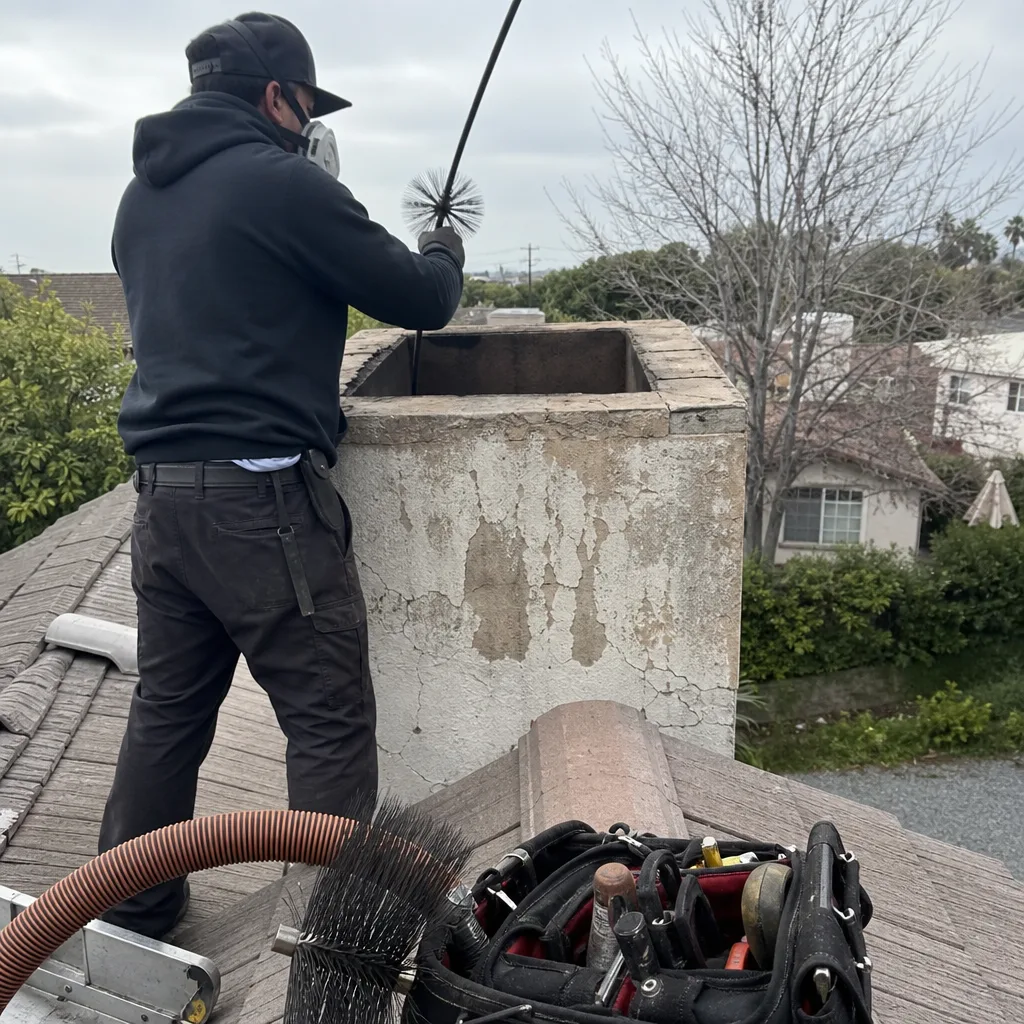 Before
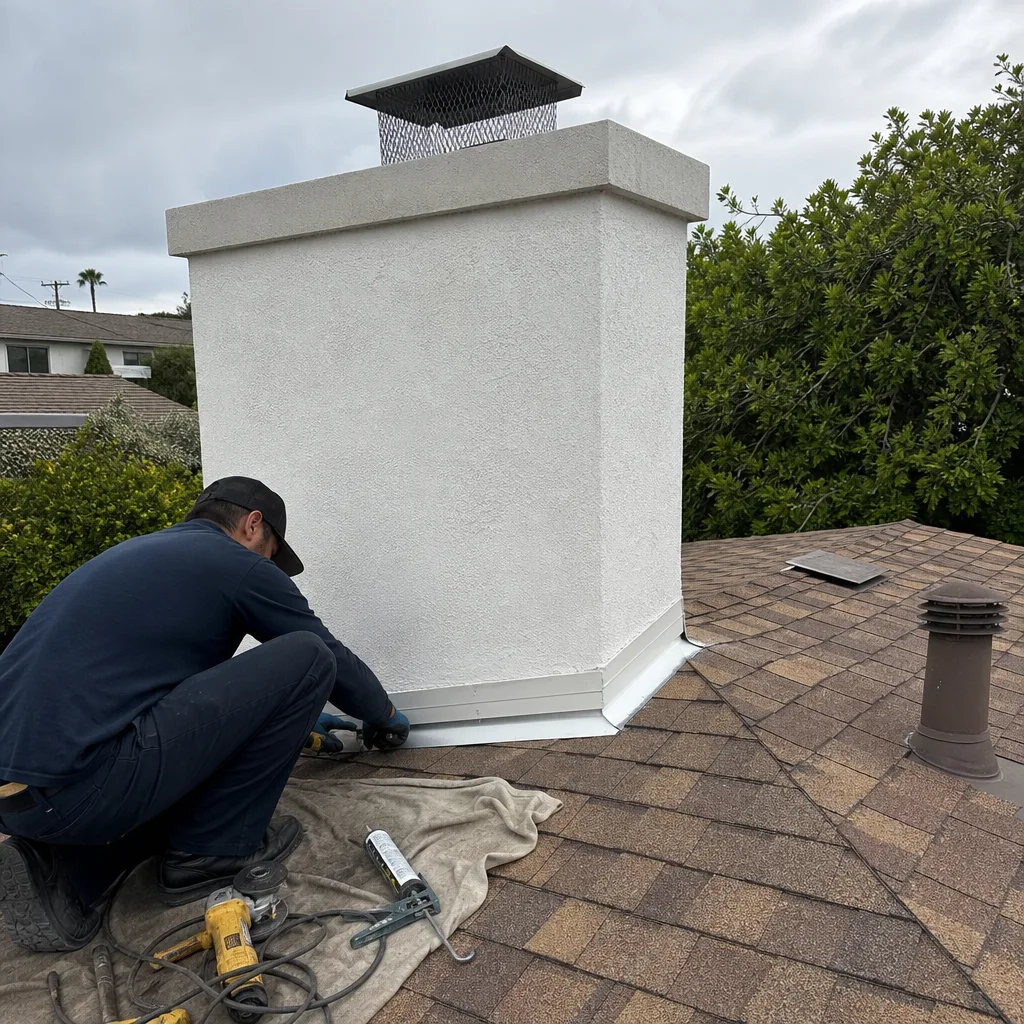 After
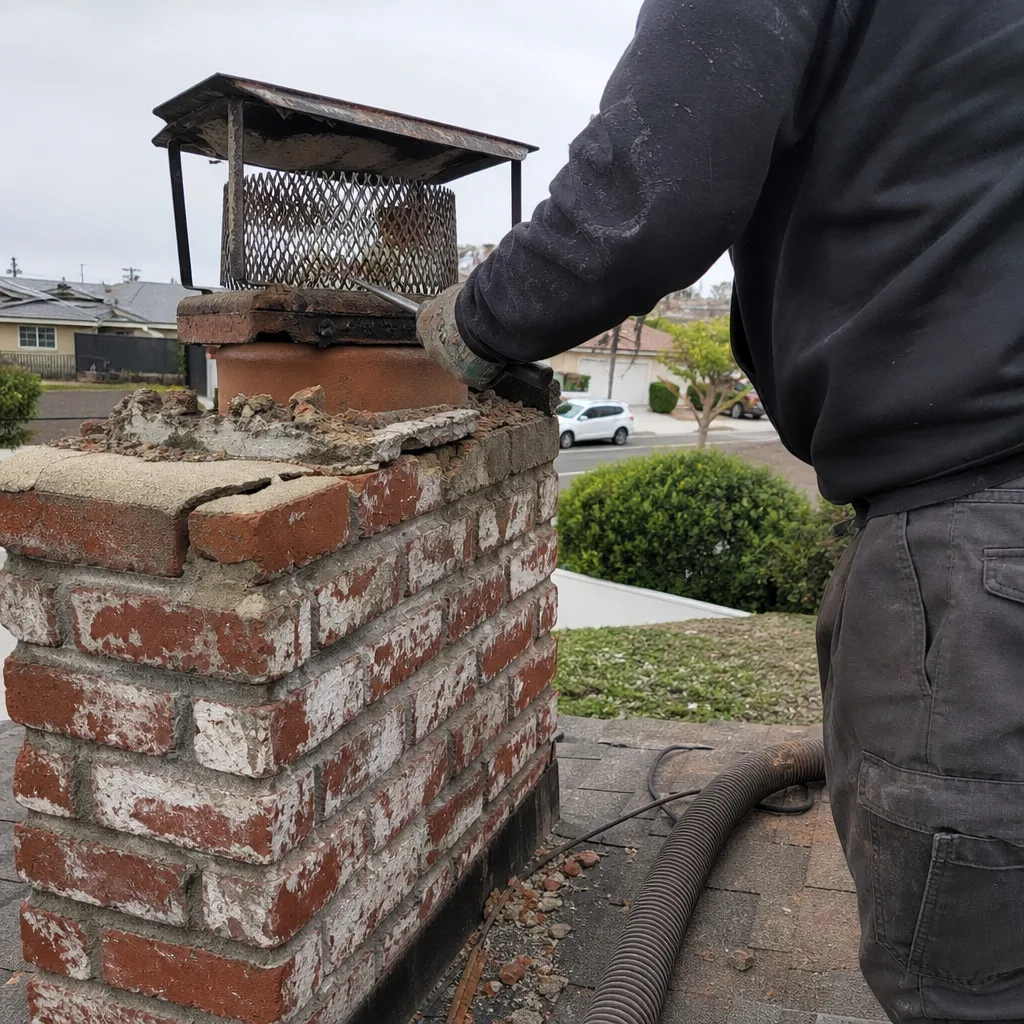 Before
 After
 Before
 After
Frequently Asked Questions
Once per year is the right schedule for most Redondo Beach fireplaces, timed for late August through early October before the heating season starts. If you burn more than 30 fires per season, sweep twice. If you burn less than five, an annual inspection with a sweep every other year may be appropriate, but only if creosote levels are verified low by a professional. Call (866) 632-1088 and we’ll help you establish the right interval for your specific fireplace and usage.
A standard chimney sweep in Redondo Beach typically runs between $189 and $450 depending on the flue condition, height, and whether it’s paired with an inspection and camera report. See our Chimney Cleaning Cost Breakdown: The Redondo Beach Homeowner’s Reference for 2026 for detailed pricing factors. Access challenges, heavy creosote buildup, and repairs discovered during the sweep add to the total, which is why a pre-season quote with a visual inspection is the most accurate way to price your specific chimney. Estimates are free; call (866) 632-1088 for an exact quote.
Skipping a year in Redondo Beach means the previous season’s creosote sits through a full marine-layer season absorbing moisture, becoming more corrosive and more flammable. The next year’s first fire burns on top of that concentrated creosote, which is precisely the condition that leads to chimney fires. At minimum, skipping a season means a heavier, more expensive cleaning when you finally schedule. At worst, it means a flue fire that causes structural damage you can’t see until the next inspection.
Yes, and not just to keep rain out. In Redondo Beach, a cap keeps birds and nesting material out during spring, blocks leaves and debris from coastal winds, and prevents spark embers from escaping onto your roof during fires. A well-built stainless steel cap also reduces the downdraft effect that marine breezes can create. If your cap is missing or damaged, it’s worth replacing before the season starts rather than after.
You can do a visual inspection from the ground and inside the firebox. What you cannot safely do is access the roof, remove glazed creosote, inspect the full flue liner, or apply protective coatings. Chimney cleaning involves roof work, specialized brushes, and knowledge of what different deposits indicate about your burning habits and flue condition. The risk-versus-reward for a DIY sweep is not favorable, especially on steep South Bay roofs.
It does, and more than most homeowners expect. The moisture content in coastal air, combined with salt, accelerates rust on metal components and weakens mortar joints over time. The damage is gradual and often invisible until performance problems appear in the fall. This is why Redondo Beach’s seasonal rhythm differs from inland cities. The off-season is not a rest period for your chimney. It’s the active degradation period. Call (866) 632-1088 to schedule an inspection and see what the coastal air has been doing to your flue.
The Bottom Line
Redondo Beach chimneys live by a two-season cycle: the marine-influence off-season when moisture does slow damage, and the short heating season when that damage becomes apparent. Schedule your annual sweep in late August through early October, not after the October rush. Do a post-season check in March or April, even after a light burn season. Pair chimney and dryer vent care into a single seasonal rhythm, since both systems peak at the same time and fail in the same ways when ignored. And understand that coastal salt air is your chimney’s constant adversary, one that a professional-grade stainless steel cap and regular inspections can hold off for decades.
Written by the team at Chimney Sweep Redondo Beach, serving Redondo Beach since 2017.