
Last updated November 2, 2026
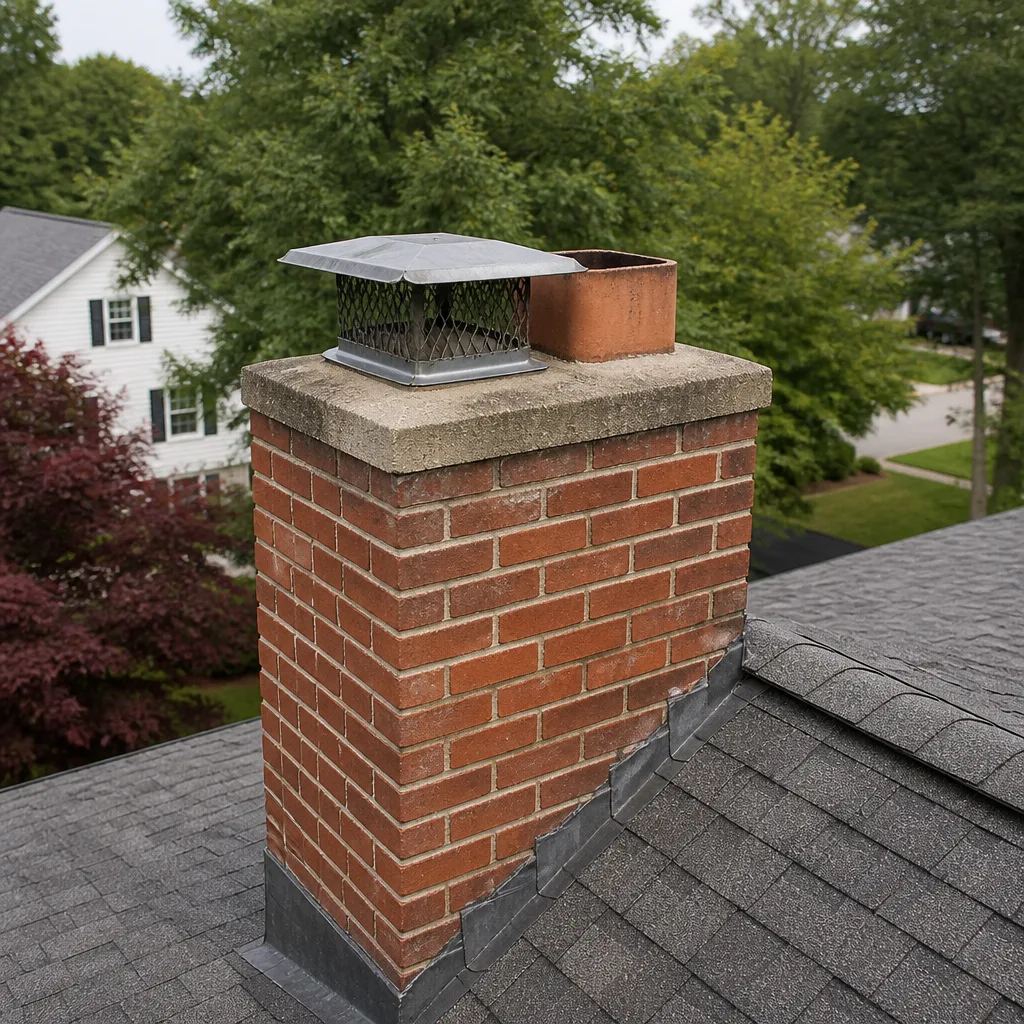 Sweep & inspection
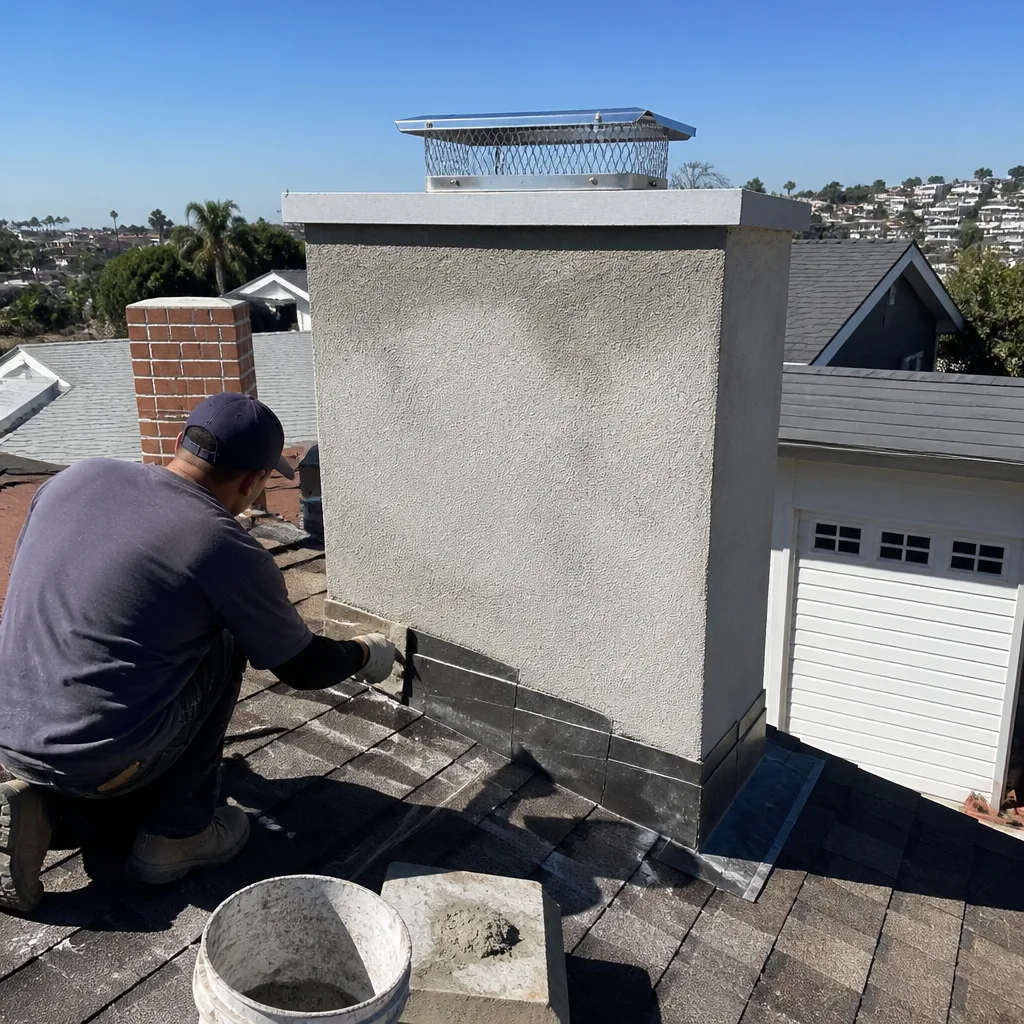
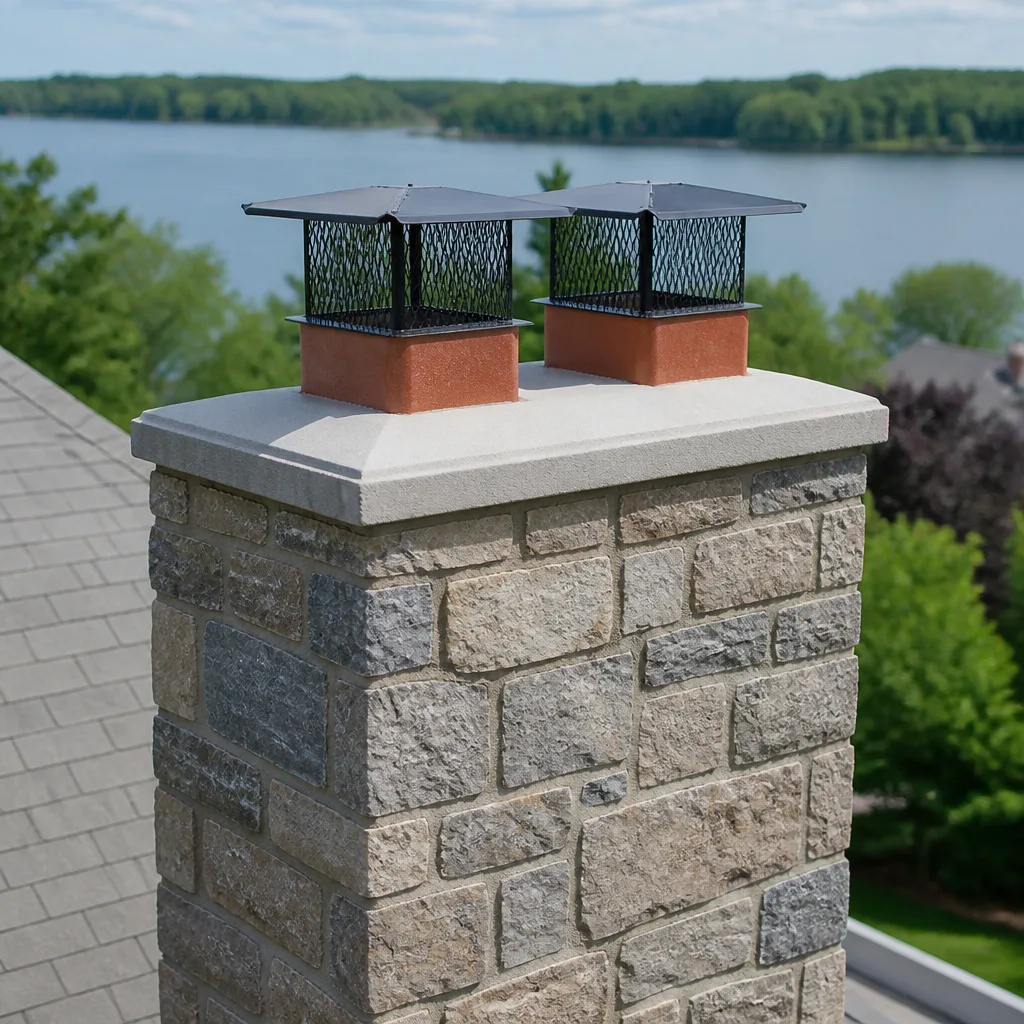 Caps & crowns
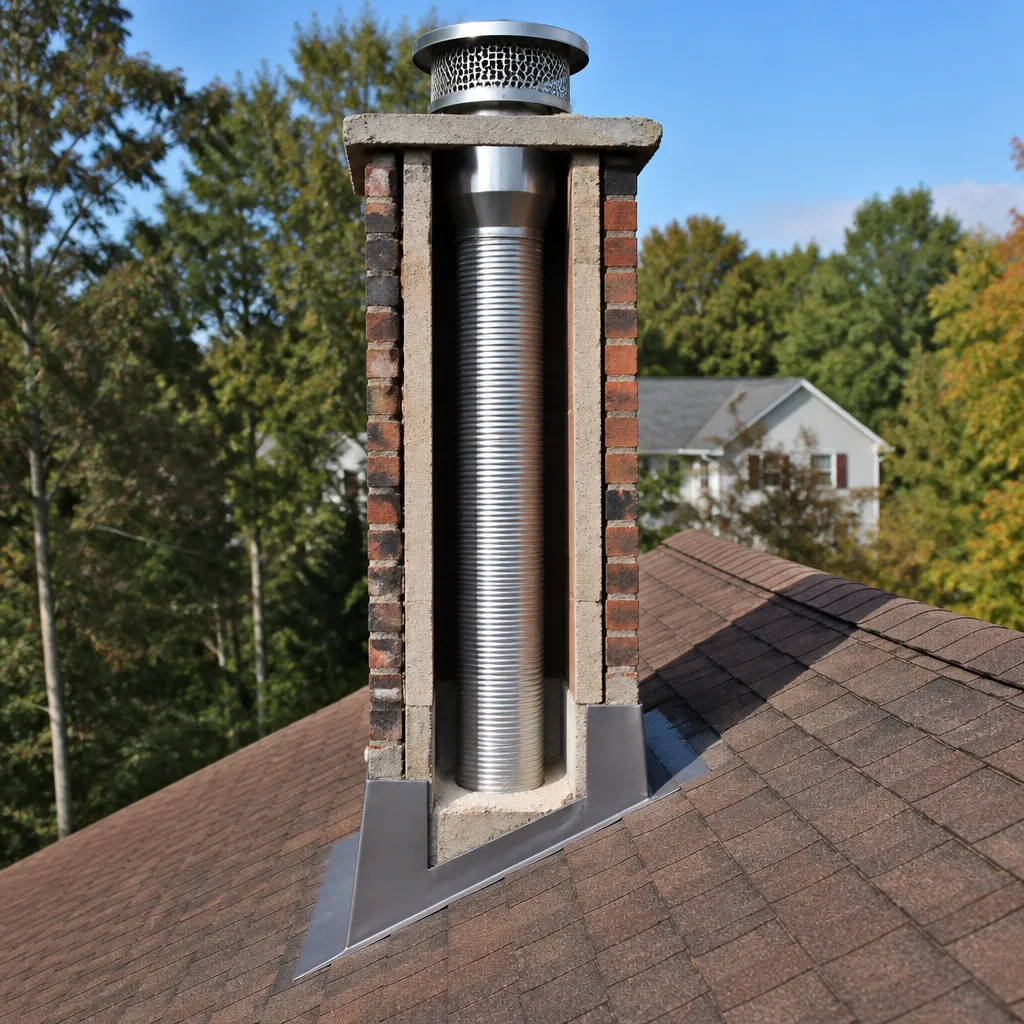 Flue relining
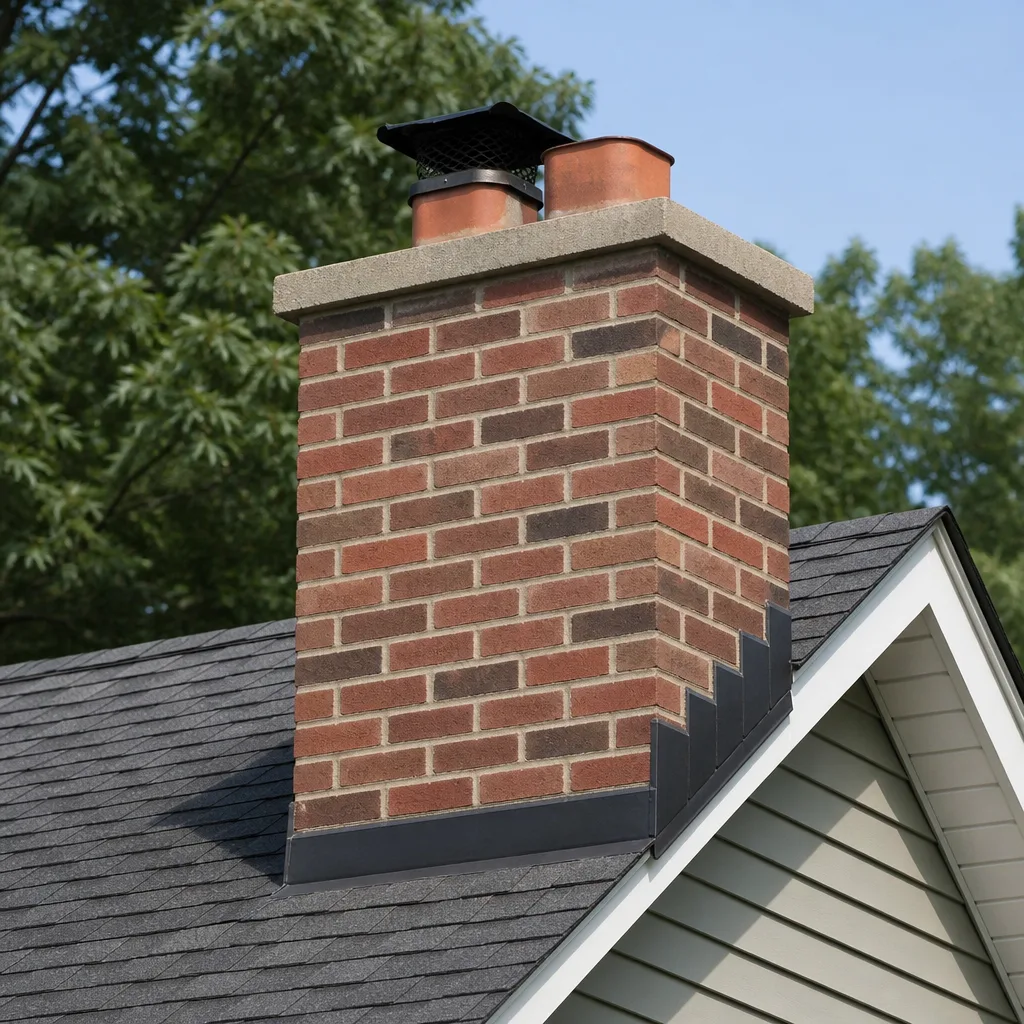 Masonry repair
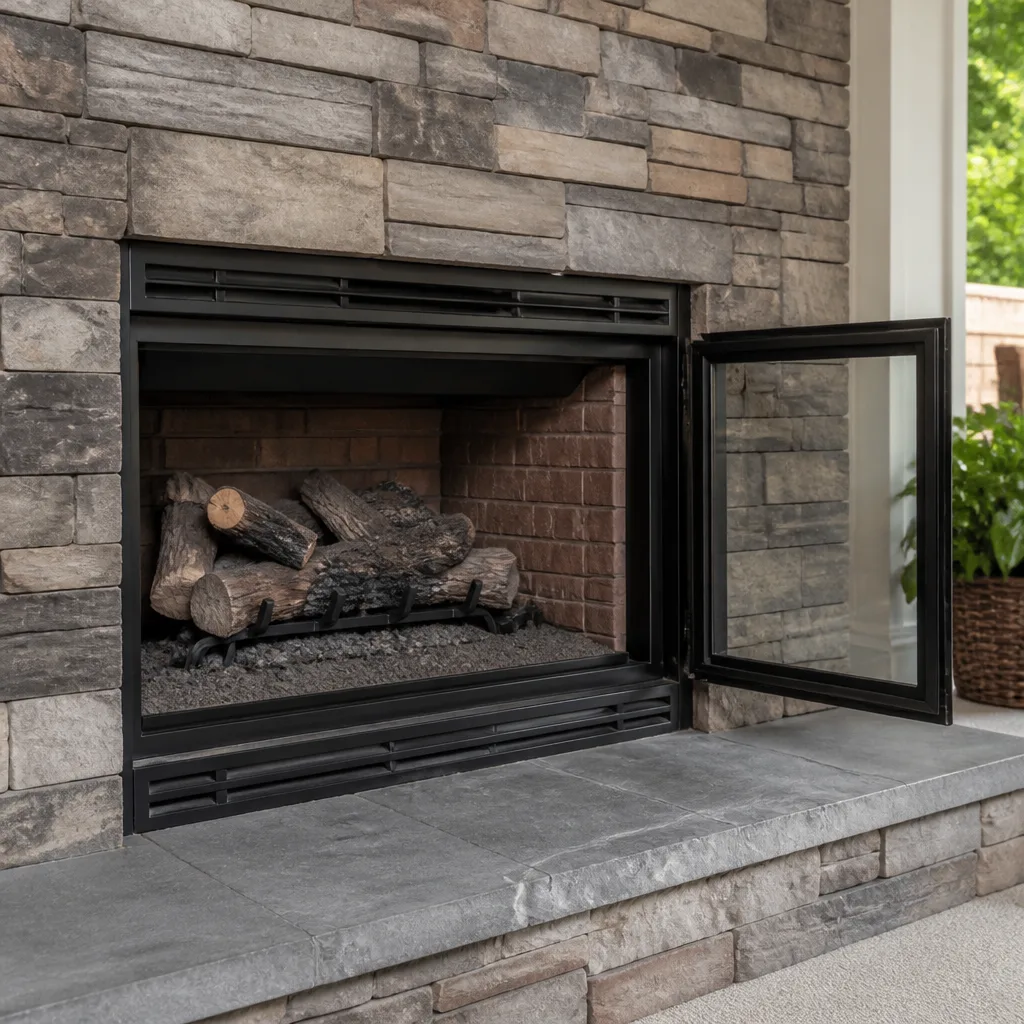 Gas fireplace service
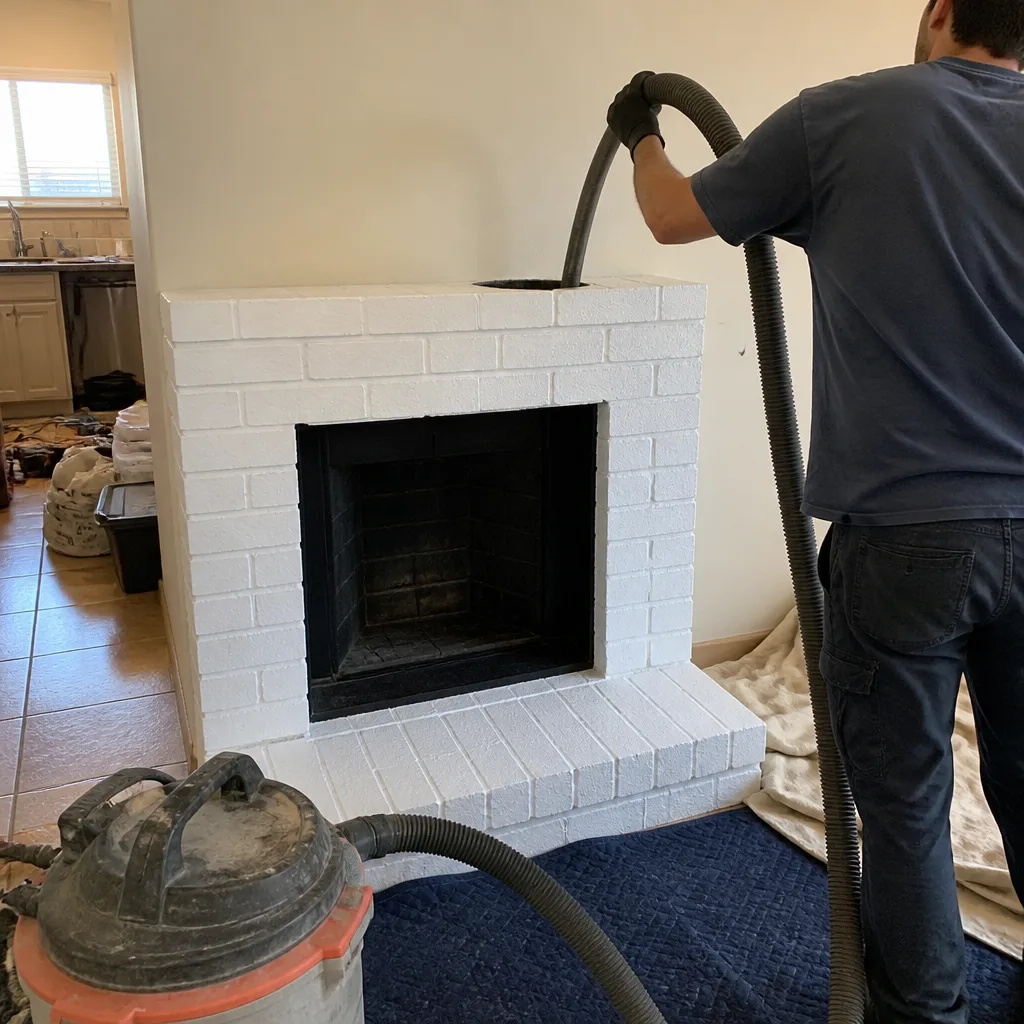
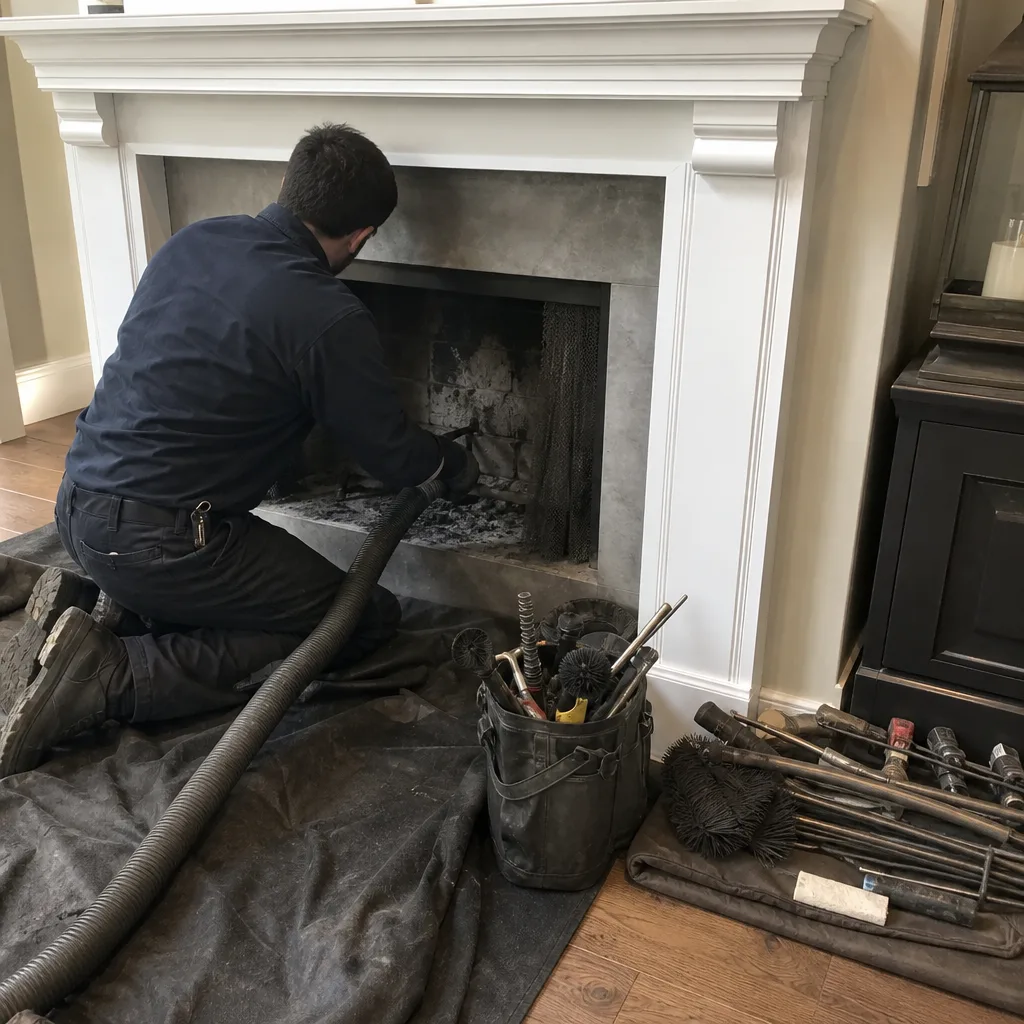
Level 1 sweep and inspection to the NFPA 211 annual standard - flue, crown, cap, and flashing checked and photographed
Chimney sweep logs do not sweep chimneys. They loosen some creosote - which then falls where a brush and vacuum still have to collect it.
How to Hire a Chimney Cleaning Contractor in Redondo Beach: A Step-by-Step Guide
A contractor can legally clean your chimney in California without a single chimney-specific certification. That’s not a scare tactic, it’s state law. Which means when you see “licensed and insured” on a chimney sweep’s website in Redondo Beach, that phrase tells you almost nothing about whether the person on your roof will spot a cracked flue liner before it becomes a house fire. This guide walks you through exactly how to separate a certified specialist from a generalist with a brush, what credentials actually matter, the five questions that expose a deflector in under three minutes, and how to read an estimate so you’re not handed a surprise invoice mid-job. For more guides & resources on keeping your home safe, explore our blog.
Quick Answer
To hire a chimney cleaning contractor in Redondo Beach, verify they hold either CSIA (Chimney Safety Institute of America) certification or a California C-61/D-42 contractor license, ask five specific questions about scope and method before booking, insist on a written inspection report with photos after the sweep, and confirm they can diagnose and repair what they find, not just clean and refer out. A Redondo Beach chimney sweep with full-lifecycle capability, including dryer vent cleaning, gives you one accountable contractor instead of three handoffs.
Styles & brands we work with
- Sweep & inspection
- Caps & crowns
- Flue relining
- Masonry repair
- Gas fireplace service
Table of Contents
- What Credentials Actually Mean in California (and What They Don’t)
- Five Questions to Ask Before You Book
- Why Sweep-Only Companies Leave You Half-Covered
- How to Read a Written Estimate Without Getting Burned
- What You Should Walk Away With After the Job
- What Redondo Beach Homeowners Specifically Need to Know
- Common Mistakes to Avoid
- When to Call a Professional
- Frequently Asked Questions
What Credentials Actually Mean in California (and What They Don’t)
Here’s the reality most Redondo Beach homeowners never hear: the state of California requires a contractor license for chimney work, but it does not require chimney-specific certification. The California Contractors State License Board (CSLB) issues a C-61/D-42 license for “chimney, fireplace, and vent” work. To get it, a contractor proves four years of journey-level experience and passes a business and law exam, plus a trade exam for the specific classification. That’s the legal baseline.
What the C-61/D-42 does not test: whether the contractor can identify early-stage spalling in a brick firebox, whether they know NFPA 211 clearance-to-combustible requirements from memory, or whether they recognize the difference between a Level 1 and Level 2 inspection under real-world conditions. The license proves they’re legally permitted to work. It doesn’t prove they’ve been trained by a national standards body.
That’s where CSIA certification comes in. The Chimney Safety Institute of America is the only national credentialing body in the U.S. focused exclusively on chimney and venting systems. A CSIA-certified sweep has passed a rigorous exam on codes, clearances, construction, and inspection methodology. They also must recertify every three years through continuing education, which matters because codes change. When you see a Redondo Beach chimney company displaying CSIA credentials, you’re looking at someone who invested in training beyond the legal minimum.
Then there’s general liability insurance. Every legitimate contractor carries it, but it’s not a credential, it’s a safety net. Liability coverage protects your property if a ladder goes through a window. It says nothing about the contractor’s technical knowledge. Plenty of poorly trained sweeps carry full insurance and still miss cracks in a flue liner.
A third signal matters more than most homeowners realize: manufacturer certifications and authorized-installer relationships. Companies that install specific liner systems like DuraFlex or restoration products like HeatShield are typically trained by the manufacturers themselves. That training is brand-specific and hands-on. It means the technician has been vetted by the company that makes the product, not just by a licensing board. For Redondo Beach homeowners, this distinction is the difference between a sweep who can clean what’s there and a contractor who can genuinely assess and restore what’s there.
In our experience, the companies worth hiring can explain all three of these layers in plain language without getting defensive. If a contractor bristles when you ask about certification, that’s an answer in itself.
Five Questions to Ask Before You Book
These five questions are designed to take under three minutes on the phone. A knowledgeable contractor answers them directly and gives you specifics. A deflector hedges, talks about how busy they are, or pivots to pricing. Here’s exactly what to listen for:
Question 1: “What inspection level will you perform, and what does it include?”
Knowledgeable answer: “We follow NFPA 211 levels. A standard cleaning includes a Level 1 inspection of the readily accessible areas, flue interior, and fireplace. If you’ve had a change in fuel type, a chimney fire, or a new home purchase, we’d recommend a Level 2, which includes a video scan of the flue interior.”
Deflecting answer: “We look at the whole thing, top to bottom. You don’t need to worry about that.”
Why this matters: NFPA 211 defines three inspection levels. A sweep who can’t or won’t name which level they perform probably isn’t following a documented standard. That’s a red flag for missed problems.
Question 2: “Do you use a camera during the inspection, and will I get the video or photos?”
Knowledgeable answer: “Every sweep includes a camera scan of the flue interior from top and bottom. We’ll show you the footage on site and send a written report with still photos afterward.”
Deflecting answer: “We use our eyes and experience. Cameras are a gimmick.”
Some of the most serious chimney problems, cracked flue tiles, deteriorated mortar joints, hidden blockages, are invisible from the fireplace opening or the roof. A sweep without a camera is working blind. In Redondo Beach, where salt air accelerates mortar deterioration, camera documentation isn’t optional. It’s the baseline.
Question 3: “If you find a problem during the cleaning, what happens next?”
Knowledgeable answer: “We document it in the report with photos, explain whether it’s urgent or can wait, and give you a written quote for repair. If it’s a liner issue, we’d talk through whether HeatShield restoration or a full liner replacement makes more sense, and why. You’re never pressured to decide that day.”
Deflecting answer: “We can handle anything. Don’t worry about that until we see what’s there.”
This question separates repair-capable companies from clean-only operations. A full-lifecycle chimney contractor in Redondo Beach can tell you what restoration products they use, by name, because they install them. A sweep-only company cleans and hopes nothing’s wrong. If something is wrong, you’re starting your search over.
Question 4: “What exactly is included in your sweep price, and are there any line items that might be added mid-job?”
Knowledgeable answer: “The posted price covers the full sweep, the camera inspection, the written report, and basic cleanup. If you have significant creosote stages or blockages, that may change the time involved, but you’ll know before we start, never after. Replacement caps, damper repairs, liner work, those are always quoted separately in writing before any work happens.”
Deflecting answer: “It’s $99 for the sweep if you book today.”
The classic bait price. The $99 sweep becomes a $700 job once they’re on site because “your flue needs a power sweep” or “your cap is missing.” A straight answer on what’s included and what’s extra is the single most reliable predictor of whether you’ll pay what you were quoted.
Question 5: “Do you handle dryer vent cleaning as well, or would I need a separate company for that?”
Knowledgeable answer: “Yes, dryer vent cleaning is a core service for us. We use Famco components when we service or replace vent parts, and we inspect the full run from the dryer connection to the exterior cap.”
Deflecting answer: “We don’t really do that. You’d need someone else.”
This question is less about dryer vents and more about how the contractor thinks about fire safety as a system. A company that treats dryer vents as an afterthought is likely treating chimney fires with similar compartmentalized thinking. The U.S. Fire Administration identifies dryers as a leading cause of residential fires, with lint buildup as the primary ignition source. A contractor who handles both chimney and dryer vent cleaning understands whole-home fire prevention, not just one appliance. One call covers both, and that’s the point.
Why Sweep-Only Companies Leave You Half-Covered
Here’s a scenario we’ve seen play out too often in Redondo Beach: a homeowner hires a sweep-only company for a cleaning. The sweep does a fine job removing creosote. But during the work, they notice hairline cracking in the flue liner. They mention it casually, “you might want to get that looked at.” Then they pack up and leave. The homeowner now has a documented problem but no solution. They call three different chimney repair contractors, get three different opinions, and three different price quotes with no way to compare scope. Or worse, they put it off, because the urgency wasn’t clearly communicated.
This is the structural problem with single-service chimney companies. Cleaning is a separate skill set from repair, and repair requires a different knowledge base entirely. A sweep-only technician may be excellent at removing creosote but has no training in liner systems, masonry repair, or restoration products. They’re not qualified to tell you whether a crack is superficial or structural, and they have no financial incentive to investigate, because they can’t sell the fix.
A full-lifecycle contractor operates differently. When our technicians in Redondo Beach find a liner issue during a sweep, they can explain what they’re seeing in real time, show the camera footage, and walk you through repair options that actually exist. That might mean a HeatShield resurfacing job, which restores the flue interior without a full teardown, or it might mean a new Duraliner installation. The key is that the same team that diagnosed the problem is accountable for fixing it. If the repair fails, there’s no finger-pointing between the cleaner and the repair contractor. There’s one phone number.
The dryer vent gap is another symptom of the sweep-only model. Most single-service chimney companies don’t clean dryer vents. Most dryer vent companies don’t touch chimneys. So the homeowner needs two vendors for what is, functionally, one category of fire risk: exhaust systems. A single contractor for your chimney and dryer vent simplifies scheduling but, more importantly, gives you a consistent inspection standard across both systems. The same camera documentation, the same written reporting, the same threshold for “this needs attention now” versus “this can wait.”
When you’re vetting a contractor, ask directly: “If you find something wrong during the cleaning, can you fix it?” If the answer is no or a vague referral, you haven’t found a specialist. You’ve found a cleaner who might spot the problem but can’t help you solve it.
How to Read a Written Estimate Without Getting Burned
The written estimate is where honest contractors distinguish themselves from upsell operations. Before you sign anything, here’s how to parse what’s actually on the page.
The Estimate Should Break Down Like This:
- Inspection scope: Which NFPA 211 level is being performed. If the estimate says “cleaning and inspection” without specifying the level or the method, that’s intentionally vague.
- Sweep method: Rotary brush, standard brush, or power sweep. The method should be named. If the flue requires a specific approach due to creosote accumulation, the estimate should say so.
- Documentation included: Written report, photos, video. If documentation is listed as an add-on at extra cost, walk away. It should be built into the base service.
- Cleanup and drop cloths: Specific mention of floor and furniture protection during the job. This should be standard, not a line item.
- Any potential extras: This is the critical section. A straight estimate says something like “If liner cracks are found during camera inspection, repair will be quoted separately in writing before any work begins.” That’s a commitment, not a loophole.
Missing Line Items That Signal Mid-Job Upsells:
- No mention of the inspection level. If they can’t tell you what standard they inspect to, they don’t have one.
- No camera or documentation line. A sweep that doesn’t document the flue interior is selling you a brush-through and hoping nothing’s wrong.
- Vague “additional fees may apply” language with no examples. That’s a blank check, not an estimate.
- No cap or damper inspection note. These are the most common failure points on a chimney system. A thorough estimate explicitly includes examining them.
- No mention of the chimney crown or exterior masonry. Salt air in Redondo Beach is brutal on mortar and crowns. An estimate that skips the exterior inspection is skipping the part that’s most likely to fail in this climate.
The goal of reading an estimate isn’t to find the cheapest price, it’s to find the clearest scope. A specific, itemized estimate from a Redondo Beach chimney company proves the contractor knows what they’re looking for and what they intend to do about it. Vague language means you’ll be negotiating surprises on the day of the job.
What You Should Walk Away With After the Job
When the sweep is done and the equipment is packed up, you should have more than a clean chimney. You should have a documented condition report that you can reference for years. Here’s what a complete post-job package includes:
The Non-Negotiables:
- A written inspection report. Not a verbal summary. Not a text message. A document identifying what was inspected, what was found, and what the condition is. The absence of this is a dealbreaker. Full stop.
- Photo or video documentation of the flue interior. You should see what the technician saw. If the chimney has been cleaned and the flue is now clear, you should have a picture of that clear flue. If there are cracks, spalling, or creosote in advanced stages, you should have photos of those too. This documentation is your baseline for future inspections.
- Written quotes for any recommended repairs. If the technician recommends liner work, cap replacement, or masonry repair, that quote should be on paper with the specific product named. “We recommend a HeatShield liner restoration” or “We’d replace that cap with a Gelco stainless model” tells you exactly what you’d be paying for.
- Creosote and soot disposal confirmation. Professional sweeps remove the debris they collect. You shouldn’t be finding creosote in your yard waste bin.
What You Should NOT Accept:
- A verbal “everything looks good” with no paperwork. When the next contractor asks what the chimney looked like last season, you’ll have nothing to show them.
- A photo of your roof with no flue interior imagery. A picture of your chimney cap from above proves nothing about the inside of the flue.
- A recommendation for thousands of dollars of work with no camera evidence to back it up. This is the upsell factory signature. If a contractor can’t show you the problem on video, you have no way to verify it exists.
Here’s a principle we apply to our own work in Redondo Beach: nothing gets recommended without camera evidence the homeowner can see for themselves. If we’re telling you a liner is cracked, you’re looking at the crack on a screen before we discuss pricing. That standard isn’t universal in this industry, but it should be, and you’re entitled to demand it from any contractor you hire.
What Redondo Beach Homeowners Specifically Need to Know
Redondo Beach presents a few conditions that make chimney maintenance more urgent here than in inland communities. The first is salt air. Every home within a mile or two of the coast, which covers a large portion of Redondo Beach, gets constant exposure to marine salt, which accelerates corrosion on metal components and deterioration on exposed mortar. Chimney caps, dampers, and flashing all degrade faster in this environment. A cap that would last 15 years in Torrance might fail in a decade near the Esplanade.
The second factor is fireplace usage patterns. Redondo Beach sits in a mild coastal climate. But many older beach-adjacent homes, particularly in neighborhoods like the Avenues and Golden Hills, were built in the 1940s through the 1960s with wood-burning fireplaces as primary heat sources during the surprisingly cold winter evenings when the marine layer rolls in. Those older fireplaces often have unlined or clay-tile-lined flues that predate modern liner standards. If you own one of these homes and haven’t had a camera inspection, you simply don’t know what condition the flue is in.
The third factor is gas appliances. Many Redondo Beach homeowners have converted original wood fireplaces to gas logs or gas inserts. That conversion changes the venting requirements, and not every older flue is properly sized or lined for gas exhaust. The combustion byproducts of gas are different from wood, and a flue that served a wood fire for decades may not be appropriate for a gas appliance without a liner upgrade. This is a distinction we regularly explain to homeowners during inspections.
Finally, there’s the practical reality of scheduling. Chimney sweeping in Redondo Beach is seasonal, with demand peaking from October through February, when the fireplaces get used. The tradeoff is that fire-safety work like dryer vent cleaning and liner restoration can often be done more flexibly during the spring and summer. If you want both chimney and dryer vent handled before burning season, book earlier than you think you need to. Late August and September schedules fill quickly.
Common Mistakes to Avoid
- Hiring on price alone. The $99 special exists for a reason, and that reason is a parking-lot upsell. A legitimate sweep with inspection and documentation costs real money. In the Redondo Beach market, a quality chimney sweep with camera inspection typically runs higher than a bare-bones brush-through, and the difference buys you evidence.
- Assuming a contractor license equals chimney expertise. A C-61/D-42 license is required for legal work, but as covered earlier, it doesn’t test chimney inspection knowledge. Verify whether the company also holds national chimney certification or manufacturer training.
- Skipping the camera inspection to save money. A sweep without a camera is a coin flip on whether serious flue problems get caught. You’re paying for certainty, not just cleaning.
- Not asking about repair capability before booking. If the cleaner finds a problem and can’t fix it, you’re paying for the discovery twice: once to the cleaner, and again to the repair contractor who has to re-inspect before quoting. A full-lifecycle company gives you one inspection that counts.
- Accepting a verbal summary instead of a written report. If it’s not written down, it didn’t happen. Your chimney history should be documented the same way your car maintenance is.
- Treating the dryer vent as a separate problem. The dryer vent is an exhaust system with the same fire hazard profile as a chimney. Scheduling both with the same Redondo Beach contractor means one inspection standard, one report, one accountable company.
When to Call a Professional
You don’t need to wait for a visible problem to call. The National Fire Protection Association recommends a chimney inspection at least once a year, and a sweep whenever there’s a significant creosote accumulation or after a chimney fire, even a small one. Specific triggers in Redondo Beach: you’ve bought a home with an existing fireplace and have no documentation of its condition, you notice a strong odor from the fireplace opening during humid summer days, you’ve recently switched from wood to gas or vice versa, or it’s simply been more than 12 months since anyone looked at the flue. Our Chimney Cleaning Emergency Preparedness Guide for Redondo Beach Homes covers how to handle urgent situations before they escalate. Chimney Sweep Redondo Beach offers free estimates in Redondo Beach, call (866) 632-1088 to schedule an inspection or get a quote for chimney and dryer vent service together.
Frequently Asked Questions
A professional chimney sweep with camera inspection and a written report in Redondo Beach typically runs between $180 and $340 depending on the flue condition, fireplace type, and any accessibility factors like steep roof pitch. See our Chimney Cleaning Cost Breakdown: The Redondo Beach Homeowner’s Reference for 2026 for a detailed breakdown of what drives pricing. That’s above the national-average bait pricing you’ll see advertised at $99, but those prices rarely include the inspection and documentation that a real sweep requires. Call (866) 632-1088 for an exact quote on your fireplace, our estimates are free and itemized.
No. Routine chimney sweeping and inspection do not require a city permit in Redondo Beach. Repairs that involve structural changes or liner replacement may trigger permit requirements depending on scope, and a qualified chimney contractor will tell you that upfront before any work begins, not after.
The National Fire Protection Association recommends at least one inspection per year, with a sweep performed whenever creosote buildup reaches 1/8 inch or more. For Redondo Beach homeowners who burn primarily during the cooler months from October through February, once per year before burning season is the standard. Gas fireplace users can often extend intervals between sweeps, but still need an annual inspection for venting integrity.
A Level 1 inspection covers the readily accessible areas of the chimney, flue, and fireplace, and is appropriate when the system hasn’t changed since the last inspection. A Level 2 inspection adds a video camera scan of the entire flue interior and is required when there’s been a change in fuel type, a new property purchase, or a chimney fire. Most legitimate Redondo Beach sweeps now include at least basic camera documentation even in a Level 1, because the equipment has become standard and the evidence it provides is too valuable to skip.
Yes, if they’re a full-lifecycle exhaust contractor. Companies that handle both chimney and dryer vent use the same inspection methodology and documentation standards across both systems, which means you get a single report covering both fire-risk exhaust paths in your home. Dryer vent cleaning should include the full run from dryer connection to the exterior cap, and any replacement parts should be professional-grade components like Famco vent products, not hardware-store substitutes.
A liner restoration uses a product like HeatShield to resurface the interior of a damaged flue liner without tearing out the original, which saves thousands of dollars compared to a full liner replacement. You need it if a camera inspection shows cracked flue tiles, deteriorated mortar joints, or a compromised liner. Without restoration, cracks in the liner allow heat and combustion byproducts to reach combustible framing, which is exactly how house fires start. Call (866) 632-1088 for a camera inspection to see the condition of your flue in Redondo Beach, and we’ll show you the evidence before recommending any work.
The Bottom Line
Hiring a chimney contractor in Redondo Beach comes down to three filters: credentials that actually prove chimney-specific training, not just a state license; a scope of work that includes camera inspection and written documentation as the baseline, not an add-on; and repair capability that means the company you hire is the company accountable for fixes, not a pass-through to someone else. Ask the five questions on this page, read your estimate for missing line items, and insist on seeing the flue interior with your own eyes. A chimney sweep in Redondo Beach who does all of those things will serve you for years. One who doesn’t was never really a specialist in the first place.
Written by the team at Chimney Sweep Redondo Beach, serving Redondo Beach since 2017.
See the difference
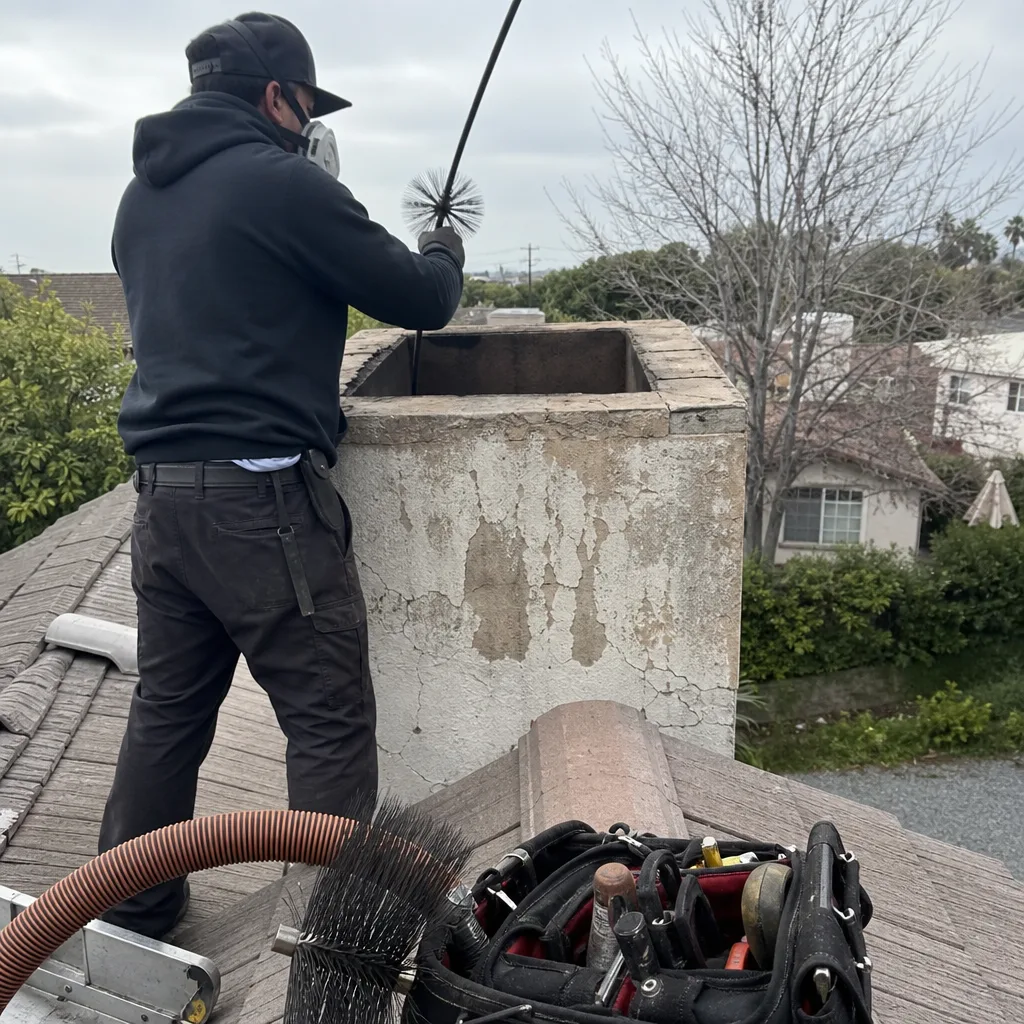 Before
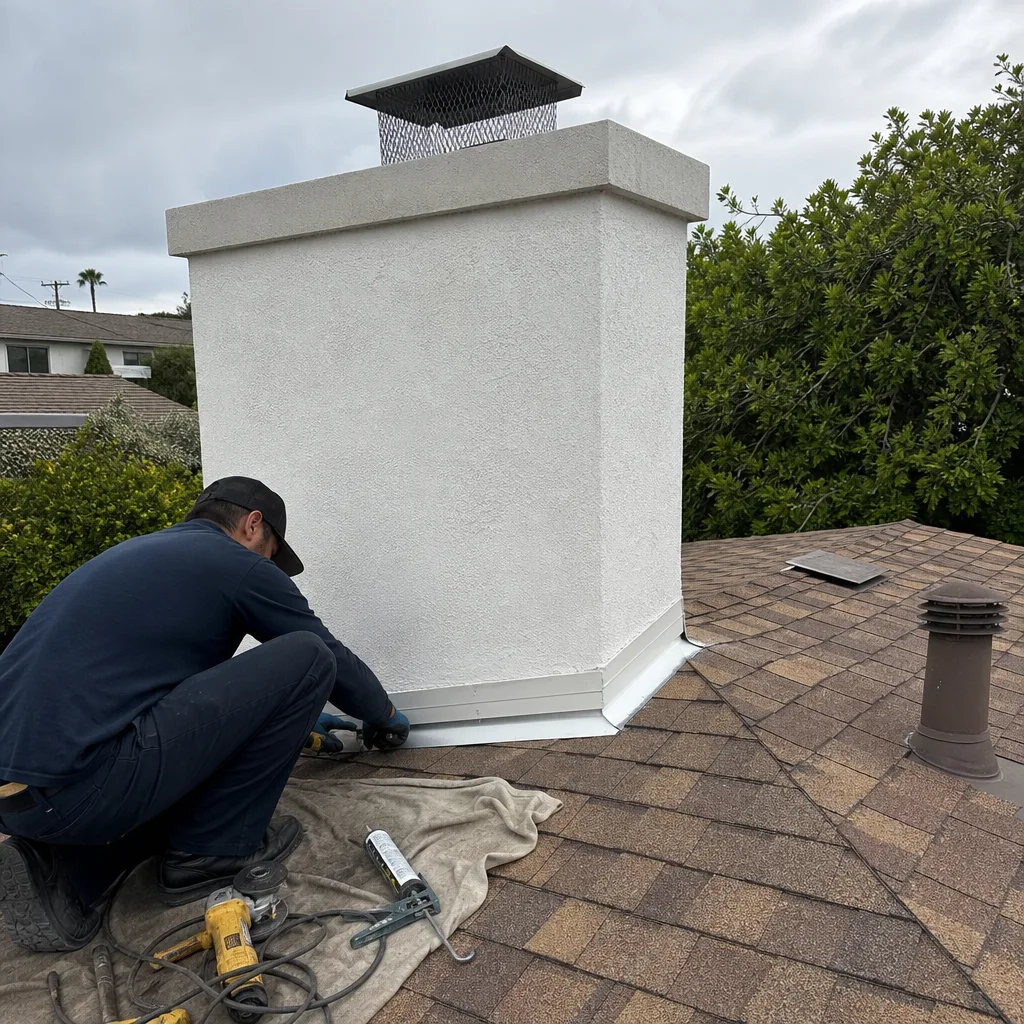 After
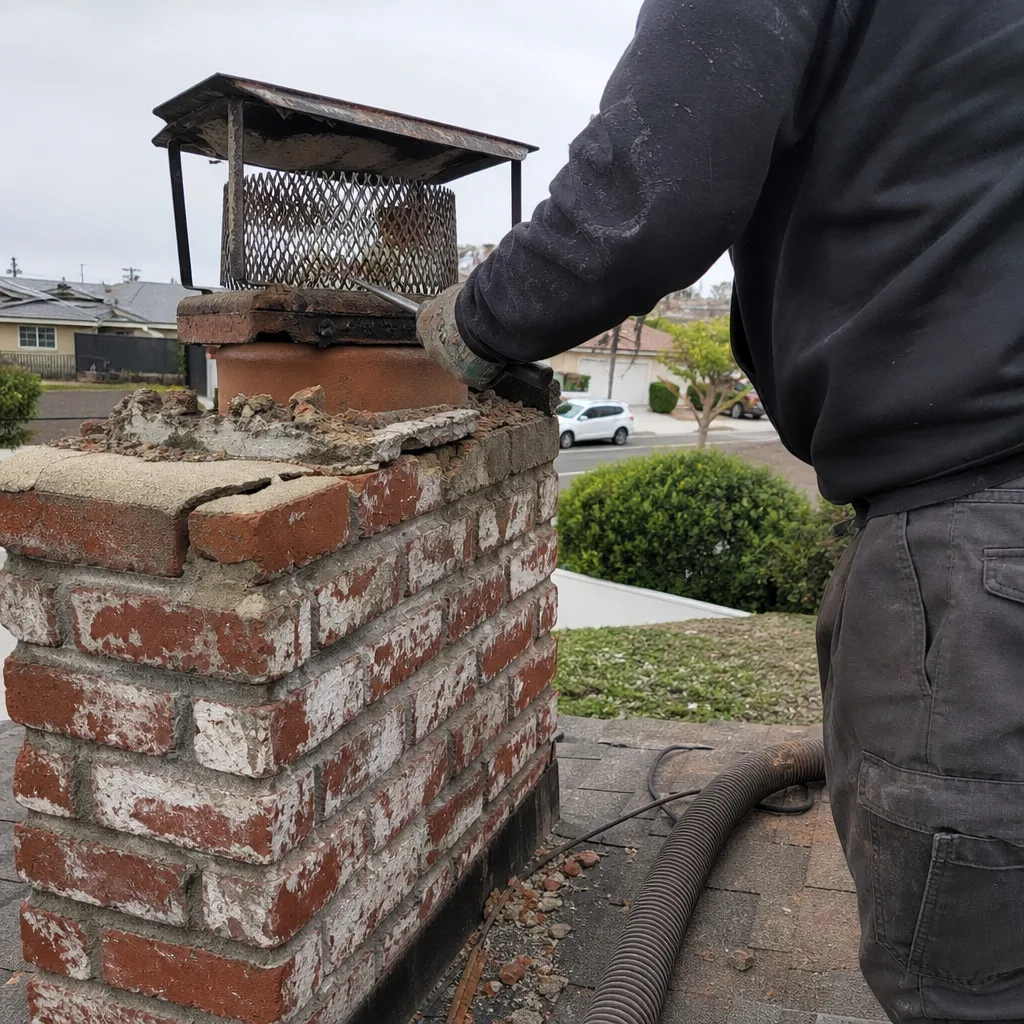 Before
 After
 Before
 After