
Last updated November 2, 2026
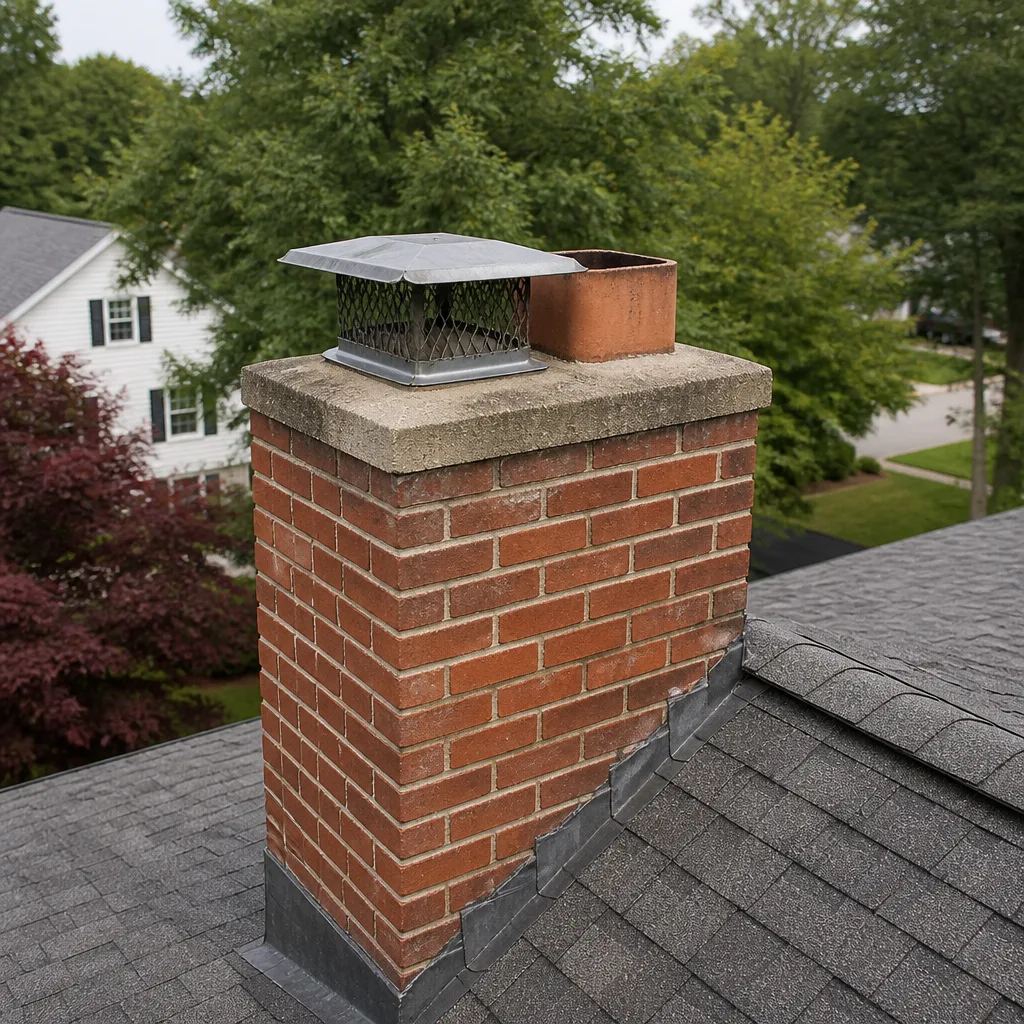 Sweep & inspection
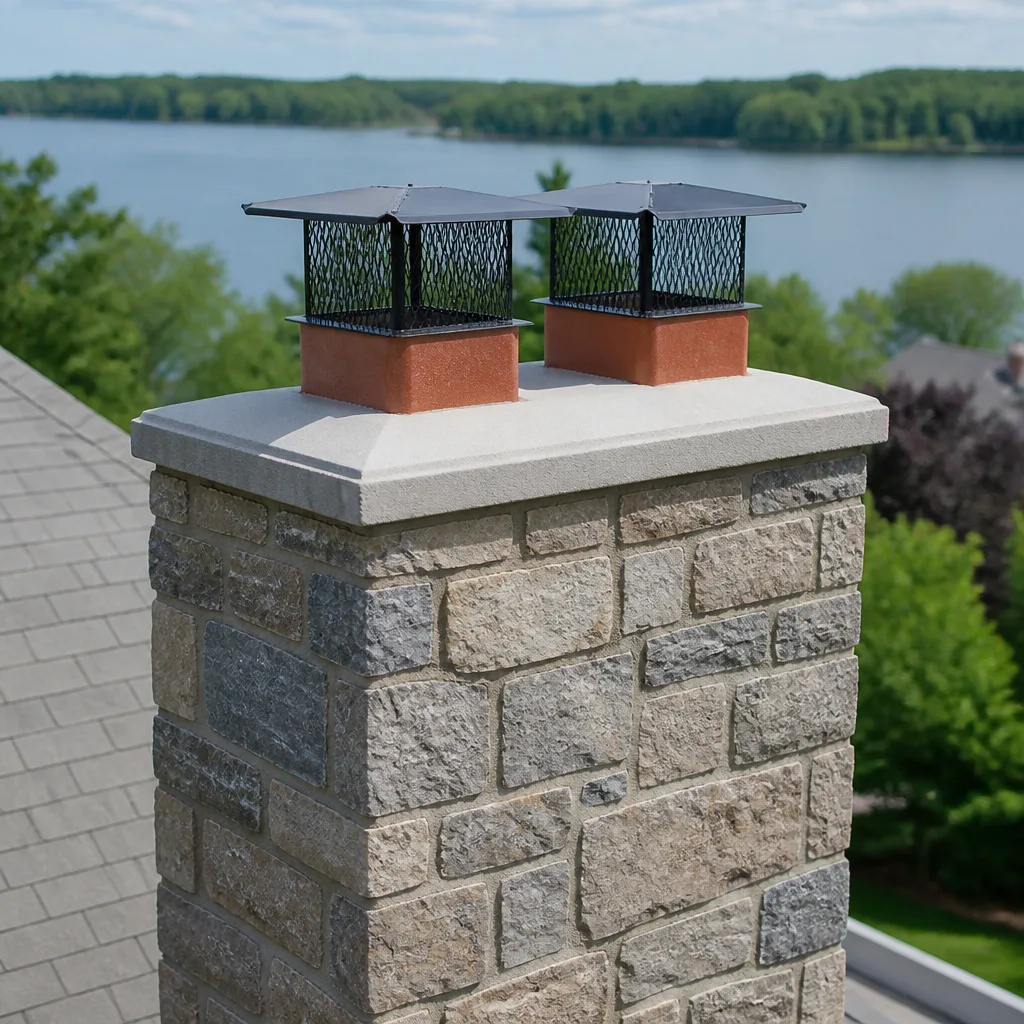 Caps & crowns
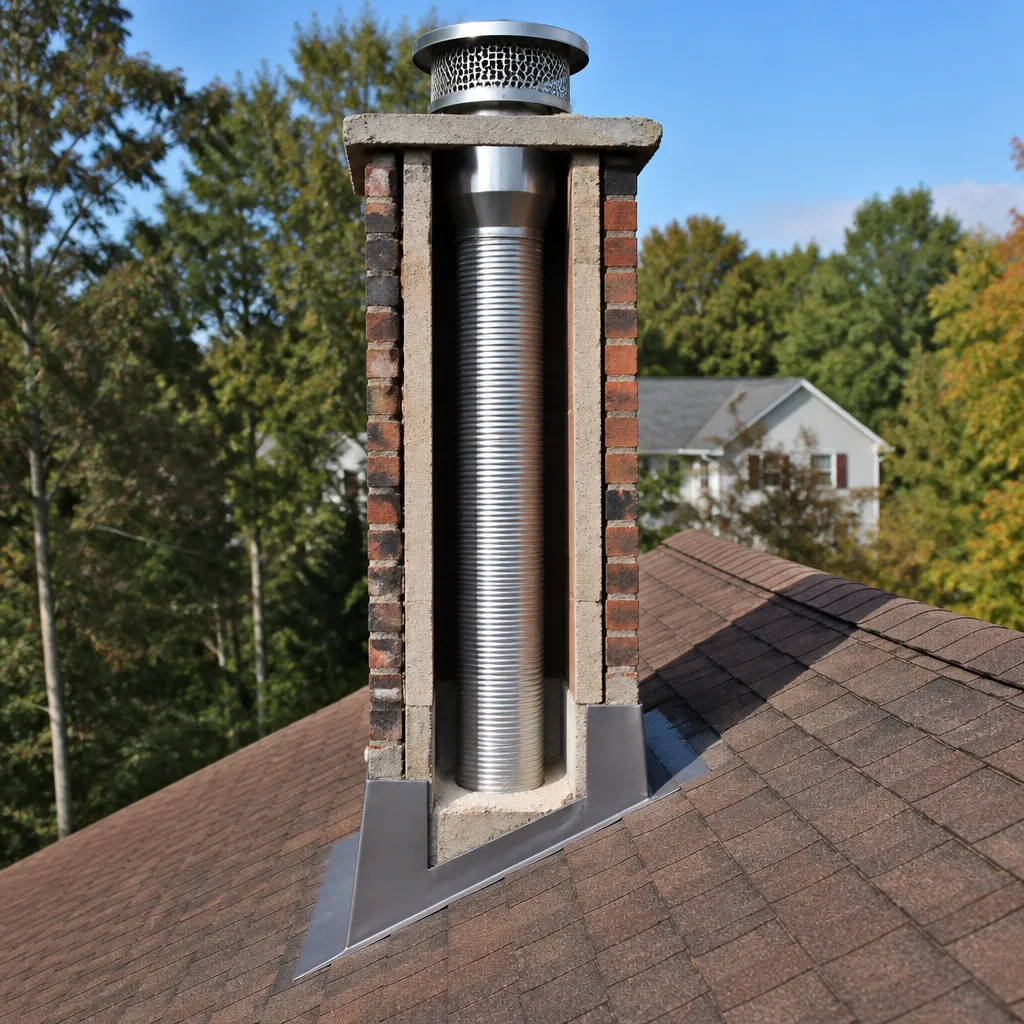 Flue relining
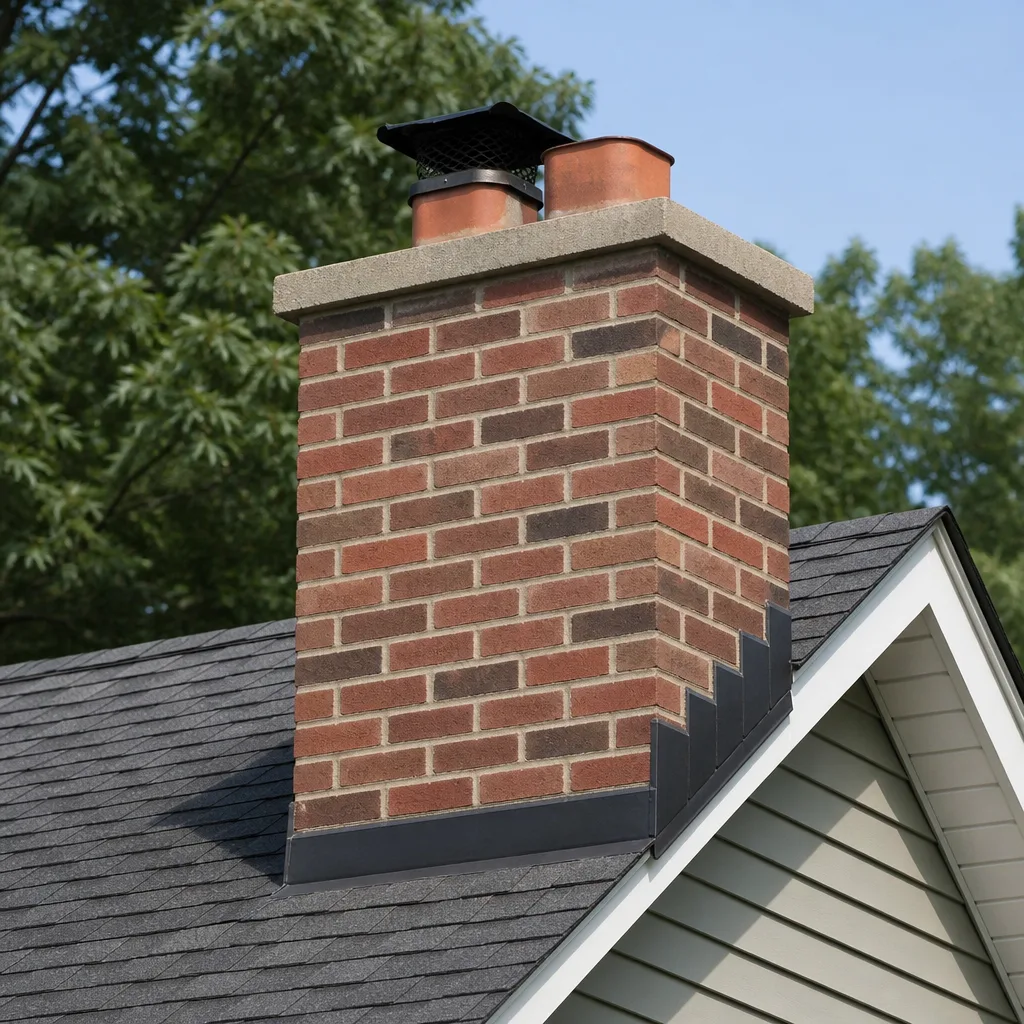 Masonry repair
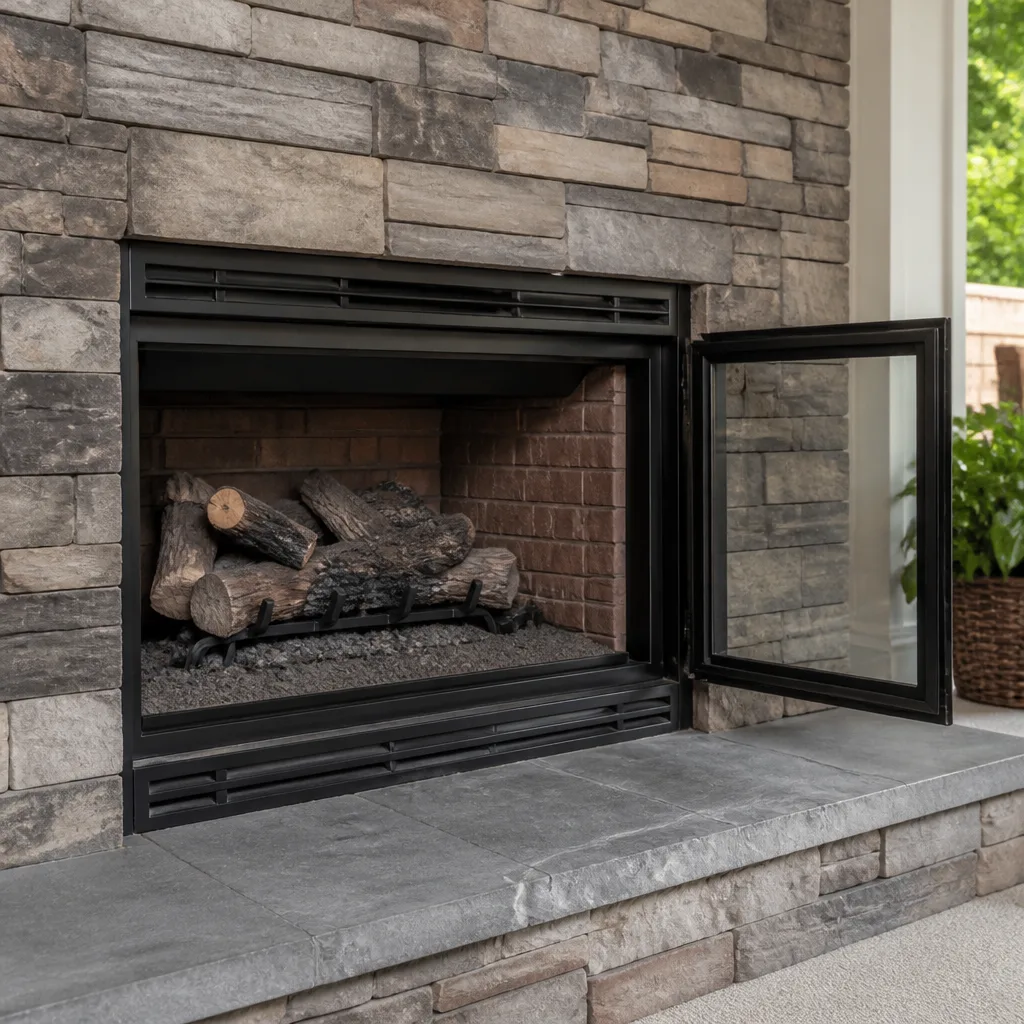 Gas fireplace service
Level 1 sweep and inspection to the NFPA 211 annual standard - flue, crown, cap, and flashing checked and photographed
Chimney sweep logs do not sweep chimneys. They loosen some creosote - which then falls where a brush and vacuum still have to collect it.
DIY vs Professional Chimney Cleaning: The Redondo Beach Homeowner’s Decision Guide
You can buy chimney brushes, rods, and drop cloths for under $80 and remove surface soot yourself, and for a fireplace used three times last winter with a recently certified clean system, that’s probably fine. The problem is you won’t know which category your chimney falls into until you’re already inside it. This guide draws the line at specific technical checkpoints: what a capable homeowner in Redondo Beach can genuinely handle, and where amateur work stops being about elbow grease and starts becoming a liability. For how to hire a chimney cleaning contractor in Redondo Beach: a step-by-step guide, see our dedicated resource.
Quick Answer
DIY chimney cleaning works for light surface soot removal in a fireplace that was professionally inspected within the last 12 months and is used fewer than 15 times per year. But if your system has glazed creosote, a moisture-compromised flue, or hasn’t been inspected recently, professional tools and a trained eye are the difference between maintenance and a hidden fire hazard. In coastal Redondo Beach, moisture intrusion shifts that threshold earlier than most homeowners expect.
Styles & brands we work with
- Sweep & inspection
- Caps & crowns
- Flue relining
- Masonry repair
- Gas fireplace service
Table of Contents
- The Decision Matrix: Where Your Chimney Falls
- What a Homeowner Can Safely Do
- What Requires Professional Tools and Training
- Why Redondo Beach’s Coastal Climate Changes the Calculation
- Liability and Insurance: What Happens if a Fire Occurs
- What to Do Between Professional Visits
- The Real Cost of Getting It Wrong
The Decision Matrix: Where Your Chimney Falls
Most DIY chimney cleaning advice treats every fireplace as if it’s the same. It isn’t. A 1990s wood-burning fireplace in a Redondo Beach hillside home with a stainless steel liner has very little in common with a 1960s masonry fireplace in Hollywood Riviera that still has its original terra cotta flue tiles. The DIY-to-professional handoff line moves based on four factors: fireplace age, usage frequency, last inspection date, and fuel type.
Here’s the matrix we use when homeowners ask us whether they can handle a cleaning themselves:
Fireplace age (or liner age):
- Less than 15 years old with a known, documented liner: lighter DIY burden if other factors are favorable.
- 15-30 years old: assumes wear, especially on terra cotta tiles. DIY visual check is worth doing, but don’t trust your conclusion without a camera inspection.
- 30+ years old: the flue structure itself is a question mark. Moisture intrusion, cracked tiles, and deteriorated mortar joints are common in Redondo Beach homes of this vintage. Professional assessment before any cleaning, DIY or otherwise.
Usage frequency:
- Under 15 fires per season (mainly weekend ambience): surface soot accumulation only. A homeowner brush pass may be adequate if the system was recently certified clean.
- 15-40 fires per season: creosote buildup enters the moderate zone. You’re now producing enough byproduct that DIY removal leaves meaningful residue in the spots you can’t reach.
- 40+ fires per season (primary heat source): regardless of how new the fireplace is, this volume produces glazed creosote that simple wire brushes won’t remove. Professional cleaning is not optional.
Last inspection date:
If a professional inspected your system within the last 12 months and found no issues, the structural risk is low, and DIY surface cleaning is a reasonable maintenance step. If it’s been more than two years, or you just bought the home and have no inspection history, you’re cleaning a system you know nothing about. That’s not maintenance. That’s gambling.
Fuel type:
- Seasoned hardwood (oak, maple): produces the lightest creosote byproduct. Best-case scenario for DIY maintenance.
- Unseasoned or soft wood (pine, eucalyptus): doubles or triples creosote production. Redondo Beach residents who burn scrap wood or unseasoned bundles from the gas station are creating a deposit profile that needs professional attention more than once a year.
- Pressed logs (Duraflame-type): burn cleaner but not creosote-free. Some have wax binders that leave a residue profile different from wood. A DIY brush pass helps, but you still need a professional evaluation annually.
- Gas appliances: DIY is not a cleaning question at all. Gas log sets and gas fireplace inserts are sealed systems that should be serviced by a technician. Venting components, burner assemblies, and pilot assemblies are not homeowner service items.
The honest summary: if you sit in the top-left of this matrix (new system, light use, recent inspection, seasoned wood), a homeowner brush pass is defensible. If you sit anywhere else, you’re outside the DIY zone, and you should know that before you put a brush on a rod.
What a Homeowner Can Safely Do
There’s a real distinction between cleaning and maintaining. A capable homeowner in Redondo Beach can absolutely handle maintenance tasks that keep the fireplace functional between professional visits. These aren’t substitutes for a sweep; they’re responsible stewardship of the system you already own.
Here’s what falls safely into homeowner territory:
- Cold ash removal. Wait at least 48 hours after the last fire. Scoop ashes into a metal container with a tight-fitting lid, never a plastic bucket or cardboard box. Keep that container outside, away from the house and any combustible surfaces. Embers can stay hot for days. This is the single most common DIY task, and it doesn’t require any tools beyond a small shovel and a metal bucket.
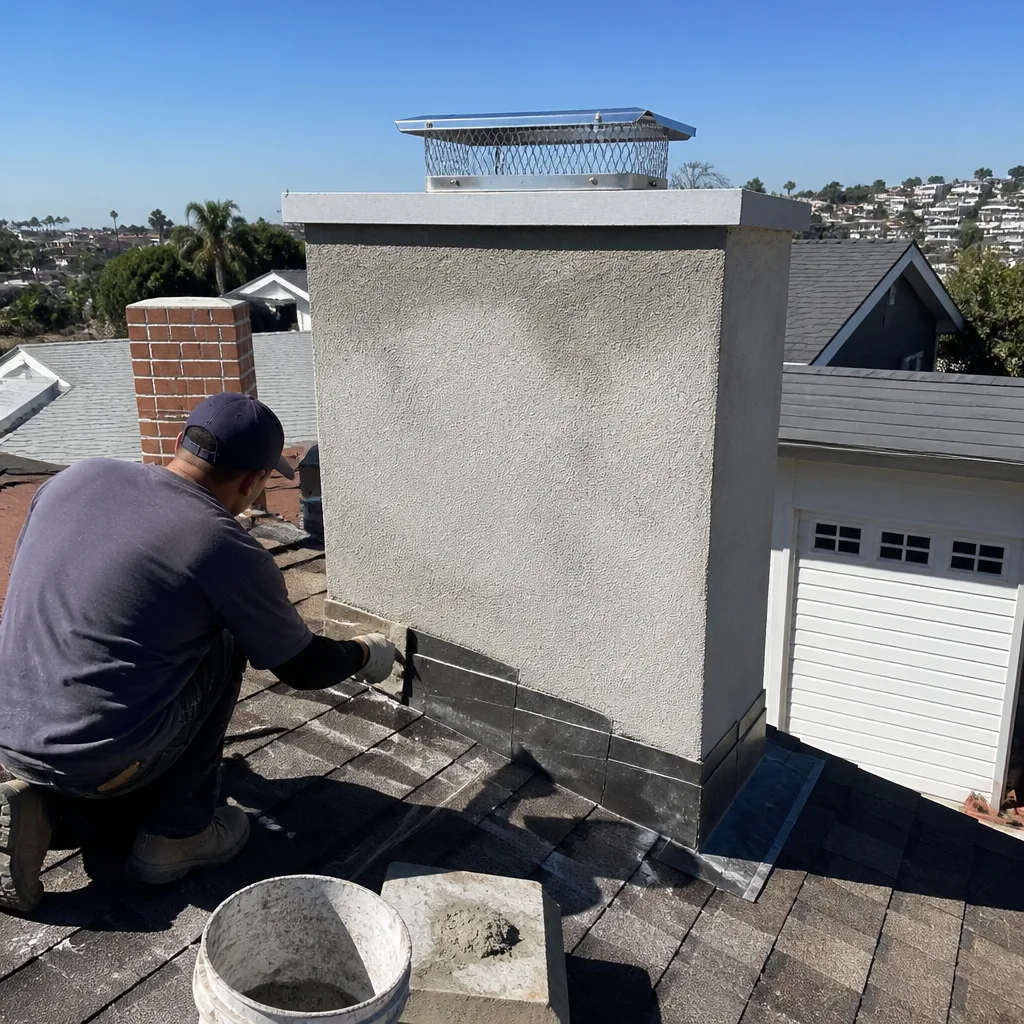
- Cap visual check from the ground. Use binoculars from the sidewalk or yard. Look for obvious damage: a missing cap, visible rust, a bird nest spilling over the edge. You’re not assessing the flue, just confirming the cap is present and intact. In Redondo Beach, salt air accelerates rust on steel caps. If a cap looks rusted through, the fix is replacement, not DIY repair.
- Damper operation test. With the fireplace completely cold, open and close the damper. It should move smoothly and seat fully in both positions. A stuck damper or one that doesn’t close completely is a professional service item. Don’t force it; damper assemblies are cast iron and can crack under leverage.
- Visible masonry inspection from inside the firebox. With a flashlight, look at the firebrick walls. Small hairline cracks are normal. Missing firebrick, gaps where you can see the metal shell, or spalling (flaking) brick surfaces are not DIY territory. Those indicate structural heat stress or moisture damage that needs a professional assessment.
- Glass door cleaning with the right products. Soot haze on glass doors builds up over a season. White vinegar and water or a commercial fireplace glass cleaner works fine. Never use window cleaner with ammonia on fireplace glass; the heat bakes the residue on and makes the haze worse. This is purely cosmetic, and it’s safe.
These five tasks cover what a responsible homeowner can realistically do without training. They’re all surface-level. None of them involve entering the flue, touching the liner, or reaching above the smoke shelf. And that’s the line: the moment a task requires you to be inside the flue, you’ve crossed from maintenance into cleaning, and the rules change.
What Requires Professional Tools and Training
The inside of a flue is not a larger version of a drain pipe. It’s a combustion exhaust pathway with specific clearance requirements, liner integrity issues, and byproduct profiles that vary based on what you burn and how often. Professional cleaning exists because the space is hostile to untrained judgment.
Here’s what a Chimney Sweep in Redondo Beach handles that a homeowner cannot:
- Glazed creosote removal. Glazed creosote is a tar-like, baked-on residue that forms when flue temperatures run hot and cold in cycles. It doesn’t brush off; it requires chemical treatments or rotary loop systems with specialized chains. A wire brush just polishes the surface of glazed creosote while the dangerous buildup remains underneath. This is the single most common reason DIY cleaning feels successful from the bottom while leaving a real fire hazard in the upper third of the flue.
- Moisture assessment and liner inspection. A professional camera inspection shows what’s happening inside the flue, not just what you can see from the firebox or the roof. Cracked terra cotta tiles, deteriorated mortar, pinholes in a steel liner: these are moisture pathways. In a coastal climate, they’re not rare anomalies. They’re the expected condition in a 25-year-old Redondo Beach chimney.
- Third-pass creosote removal in the upper flue. The upper third of the flue, just below the cap, is where creosote accumulates fastest because that’s where flue gases cool and condense. It’s also the hardest place for a homeowner to reach from the roof or from the firebox. Professional sweeping uses full-length rods with appropriately sized brush heads to cover the entire flue path, not just the accessible lower section.
- Smoke shelf and damper box cleaning. The smoke shelf catches debris falling from the flue: creosote flakes, pieces of deteriorated masonry, occasional bird or squirrel nests. Cleaning it properly requires reaching past the damper from below or accessing it from above, and doing it wrong pushes debris deeper into the system. This area is implicated in a meaningful percentage of chimney drafting problems.
- Repairs identified during the sweep. A professional sweep is also an assessment. If the cleaning reveals a cracked tile, a failing damper, or a liner that’s reached the end of its service life, the technician identifies it and documents it with camera photos. From there, repairs follow a clear path. This is different from a homeowner seeing soot and assuming everything behind it is fine.
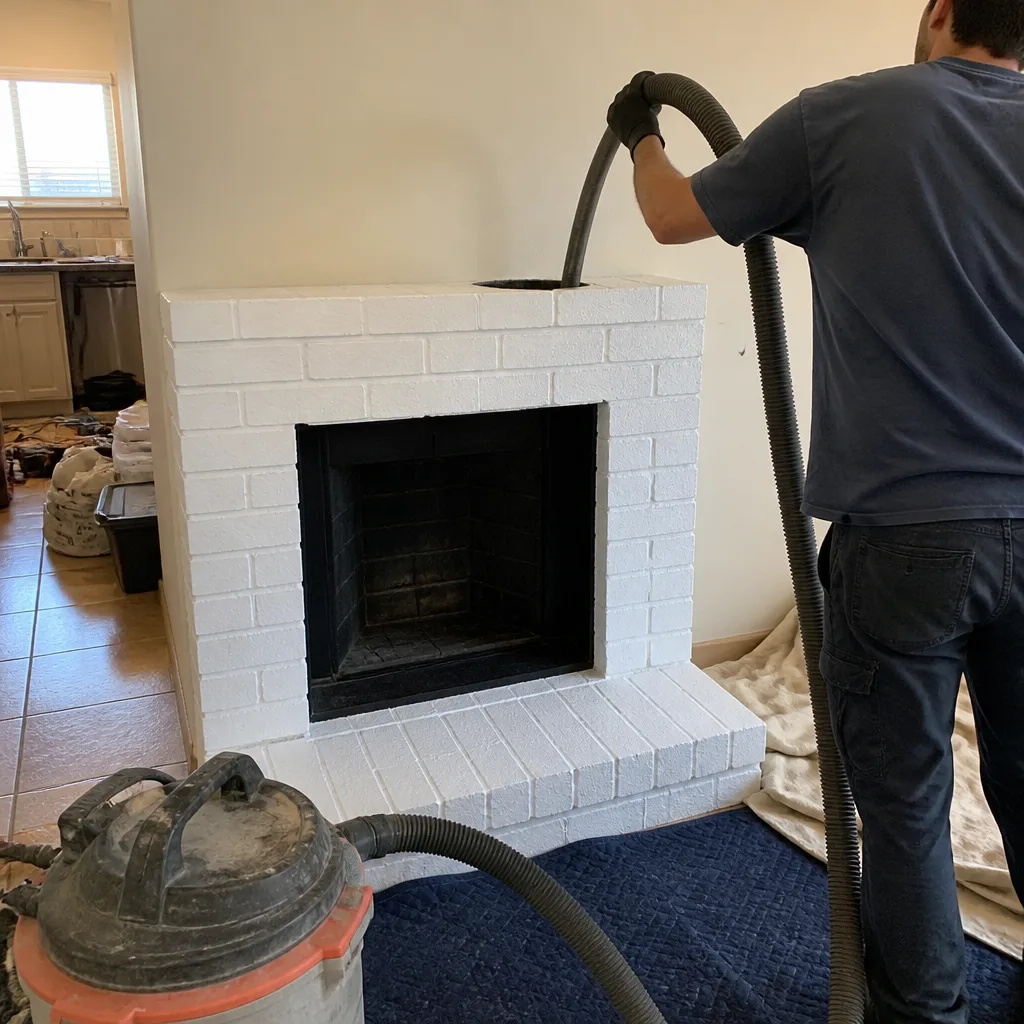
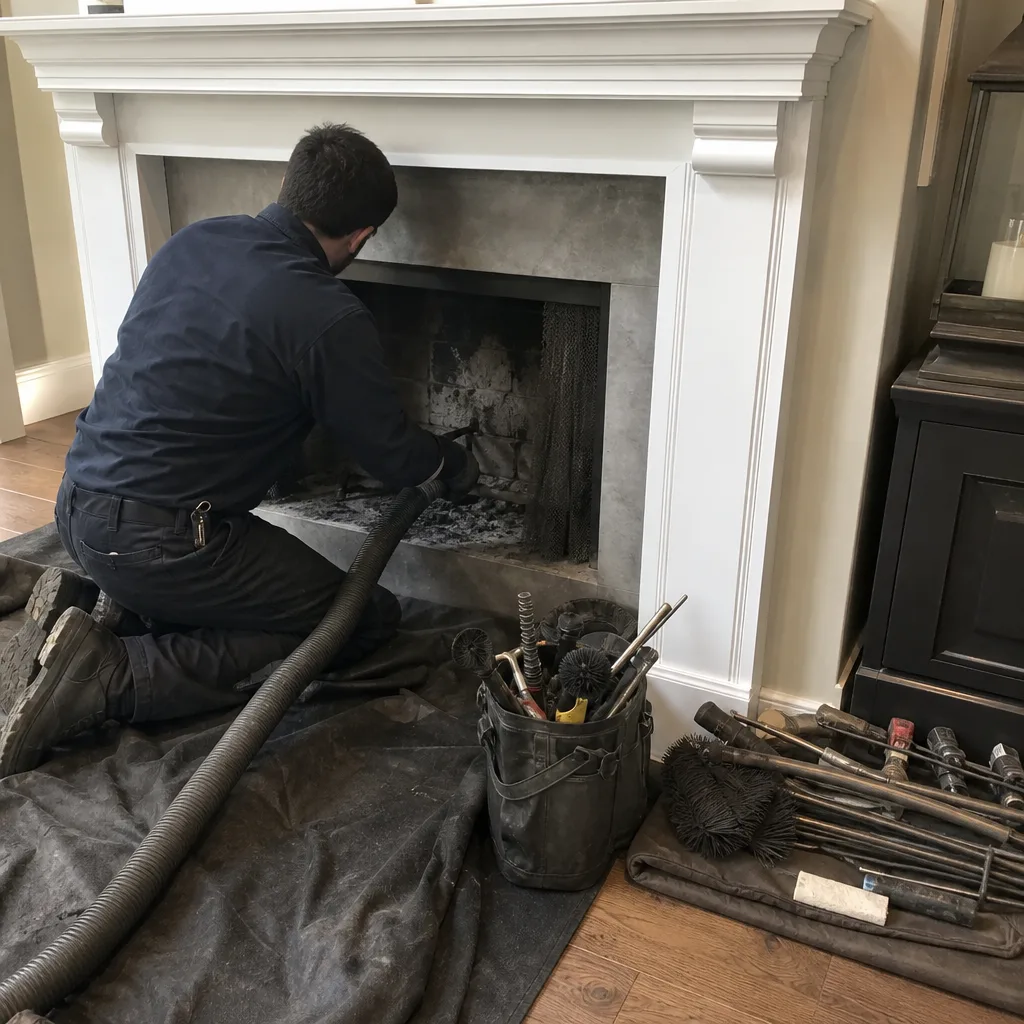
The tools matter. Professional sweeping equipment includes rotary loop systems, poly brushes matched to liner type and diameter, HEPA-filtered vacuums that prevent dust from entering living space, and chimney cameras that document the condition before and after. None of this equipment is realistically available to a homeowner, and most of it isn’t sold at the hardware store. When the time comes for repairs, we use materials like DuraFlex liners and Olympia Chimney components because they’re the same products specified in professional chimney repair work. We use them for a reason: the alternative is a hardware-store patch that buys you a season, not a decade.
Why Redondo Beach’s Coastal Climate Changes the Calculation
Most national chimney advice is written for dry, cold climates. Redondo Beach is neither. The marine layer that rolls in most mornings deposits moisture on everything, masonry and steel included. Humidity hovers high year-round. Salt from the Pacific carries on the breeze and settles on every exposed surface. This environment changes the DIY threshold in ways that aren’t obvious until you understand the chemistry.
Here’s what coastal conditions do to a chimney system:
- Hydroscopic creosote absorption. Creosote is extremely porous. When moisture enters the flue, creosote absorbs it, swells, and becomes more acidic than when dry. Acidic, moisture-laden creosote attacks masonry joints and steel liners faster than dry creosote in inland climates. A chimney that would go three years between professional cleanings in Riverside needs more frequent attention here, not because you burn more, but because what you deposit in the flue is chemically more aggressive.
- Accelerated rust on steel components. Chimney caps, damper assemblies, and the upper sections of steel liners are exposed to salt air continuously. In Redondo Beach, we see 10-year-old caps that look like 30-year-old caps in a desert climate. Visual rust on a cap from the ground is a maintenance check a homeowner can do. Internal rust on a liner you can’t see? That requires a camera.
- Masonry spalling from moisture cycles. Brick and mortar absorb moisture from fog and marine air, then dry out during the day. Over years, this cycle causes the surface of brick and mortar joints to flake off, a process called spalling. Spalling isn’t cosmetic; it reduces the structural integrity of the chimney and creates entry points for more water. Identifying early spalling takes a trained eye on a roof where the transition zones between brick and mortar show the first signs. Most homeowners never look at these surfaces closely until a leak appears inside the house.
- Wildlife seeking shelter in the marine layer ecosystem. Redondo Beach has an active bird and squirrel population that views an uncapped or damaged chimney as premium coastal real estate. Nests in the flue are a fire hazard and a carbon monoxide risk, and they’re more common in climate zones where the temperature stays moderate. A homeowner checking a cap from the ground might spot an obvious nest. A nest deeper in the flue, partially obscured by a working cap, requires a camera to identify.
For the DIY question, the coastal climate shifts the risk profile earlier on the timeline. You’re not just brushing away soot. You’re dealing with a deposit that’s chemically more corrosive, a structural system that’s weathering faster, and a flue environment that’s more attractive to pests. A homeowner who understands this and still chooses DIY for light surface soot is making an informed decision. The problem is homeowners who don’t account for it at all, because the quick DIY guide they read didn’t mention salt air or marine fog.
Liability and Insurance: What Happens if a Fire Occurs
This is the section most DIY chimney guides skip entirely, and it’s the one that matters most if something goes wrong. Insurance companies examine chimney fire claims carefully, and the presence or absence of professional inspection records changes the outcome of a claim.
Here’s the practical reality. If a chimney fire occurs and you have no record of professional inspection or cleaning, the insurance adjuster has a specific set of questions. Did the homeowner conduct recommended maintenance? Can they document it? A receipt from a chimney sweep dated 14 months ago answers that question. A homeowner’s memory of brushing the flue last year doesn’t. In contested claims, documentation wins.
Consider the sequence of a typical chimney fire claim in Redondo Beach. The fire department responds. They note the chimney fire in their report. The insurance company sends an adjuster. The adjuster asks for maintenance records. If the homeowner did their own cleaning, the answer is a description of what they did, the tools they used, and the date they did it. If the homeowner hired a professional, the answer is a dated invoice with a before-and-after camera record. One of these responses closes the claim quickly. The other opens an investigation into whether the homeowner’s actions contributed to the loss.
There’s a second liability layer most people don’t think about. If you do your own chimney cleaning and later sell the home, the buyer’s inspector will ask about chimney maintenance history. A series of professional cleanings tells the buyer the system was cared for. A blank history with a homeowner’s verbal assurance that they cleaned it themselves tells the buyer nothing useful, and in a market like Redondo Beach where inspection timelines are tight and buyers are choosy, that gap can cost a sale or knock thousands off the negotiated price.
We’re not saying every DIY-cleaned chimney is a fire waiting to happen. We’re saying that the liability math is different from the convenience math. Saving $200 by brushing your own flue looks different when the alternative is a fire claim examined under a microscope because no professional ever documented the system’s condition. For homeowners who want that documentation without committing to a full sweep every time, the answer is simple: call a professional for the initial assessment and camera inspection, then make an informed decision about annual cadence after that.
What to Do Between Professional Visits
The responsible middle ground between full DIY cleaning and pretending the chimney doesn’t exist is consistent between-visit maintenance. These are tasks that keep a chimney system healthy without requiring you to enter the flue or interpret anything you can’t see clearly.
Here’s a realistic homeowner maintenance cadence for Redondo Beach:
- Remove ashes when the fireplace is fully cold, every 1-2 weeks during burning season. Ash buildup reduces airflow and makes it harder for the fire to burn efficiently, which produces more creosote. Keeping the firebox clean burns cleaner and deposits less in the flue.
- Check the damper operation every time you start the season. Open it fully before the first fire, close it fully after the last one. If the damper feels loose, sticks, or doesn’t seal, call a professional before the chimney gets used heavily. A damper that’s stuck open during the off-season lets marine air circulate through the flue continuously, accelerating the corrosion processes described earlier.
- Do a quarterly visual check of the exterior chimney from the ground. Binoculars are enough. Look for cracks in the masonry that weren’t there three months ago, rust on the cap, or vegetation growing out of joints. Redondo Beach’s coastal climate means changes happen seasonally; catching a deteriorating cap in March is a $300 fix, while catching it in November when the rain has worked through the opening is a $1,500 repair.
- Burn only seasoned hardwood. Unseasoned wood produces more creosote per fire, and coastal humidity makes unseasoned wood wetter than it would be in a drier climate. If you buy wood, ask for seasoned oak or maple. If you cut your own, split it and let it cure for at least a year, ideally under cover with airflow. This single habit reduces creosote production more than any other homeowner action.
- Schedule a professional cleaning after each heating season. The industry standard is annually, and in coastal Redondo Beach that’s a defensible minimum. The best time to schedule is late spring or early summer, after burning season ends and before the marine layer is at its thickest. A spring cleaning means the chimney sits clean through the humid months, reducing the chemical activity of any creosote you might have missed.
These five habits replace the need for most DIY cleaning. They don’t prevent all creosote buildup, but they slow it, they document it, and they catch problems early. That’s the realistic ceiling for homeowner involvement. Past that point, the equipment, the knowledge, and the liability all tilt toward professional care.
The Real Cost of Getting It Wrong
We hear the DIY math constantly: a chimney brush kit costs $80, a professional sweep costs $200-300, so DIY saves over a hundred dollars. That math is fine for surface soot in a recent, lightly used system. It’s incomplete for everything else.
A chimney fire in a Redondo Beach home doesn’t just affect the chimney. Here’s what a chimney fire actually costs when it happens:
- Structural damage to the flue. Chimney fires burn hot. Terra cotta tiles crack, mortar joints fail, steel liners warp. A chimney that survived a fire needs a full rebuild or relining, typically $3,000-10,000 depending on the system.
- Water intrusion after the fire. Cracked flue tiles and damaged mortar create pathways for moisture. The first rain after a chimney fire often reveals interior water damage around the fireplace. That’s an additional repair layer on top of the chimney work itself, and in a coastal climate where moisture is constant, the damage accelerates.
- Insurance deductible and potential rate increase. Even if the claim is covered, you pay the deductible. And chimney fire claims can raise your homeowner’s insurance premium for years.
- Loss of the fireplace as a selling feature. Redondo Beach homes with fireplaces command a premium. A fireplace with documented fire damage, or one that was DIY-maintained with no paper trail, becomes a liability in a sale negotiation.
Compare that to the cost of professional cleaning, which in Redondo Beach typically runs $200-350 for a standard single-flue sweep with camera inspection. Professional cleaning costs less than most home insurance deductibles. It costs less than a single episode of water damage repair. It’s the cheapest line item in your annual home maintenance budget relative to the risk it controls.
We use HeatShield for liner restoration work because we see what happens when chimney liners fail and homeowners face the choice between a full teardown and a restoration. That capability changes the cost picture for damaged chimneys, but it doesn’t change the underlying lesson: catching liner damage early, during a routine sweep, is a fraction of the cost of discovering it after a chimney fire. And for dryer vents, the same logic applies. We use Famco components when we service dryer vent systems because a complete duct from the dryer to the exterior terminates correctly, and the vent fire hazard is the direct analog to the chimney fire hazard. Both are preventable.
Common Mistakes to Avoid
- Brushing the lower flue and calling it done. Most of what a wire brush can reach from the firebox is the section of flue that burns cleanest anyway. The creosote that matters lives in the upper third of the flue, where the brush never touches without full-length rods. A homeowner can do a brushing pass and feel accomplished while the actual hazard remains untouched.
- Using chemical creosote logs as a substitute for sweeping. Creosote-burning logs and powders reduce creosote in the lower flue, but they don’t address glazed creosote or buildup in the upper flue, and they’re only useful as a supplement between cleanings. Some homeowners use them annually and assume the chimney is clean. It isn’t.
- Cleaning from the roof without a safety protocol. Redondo Beach has a mix of rooflines, from beach cottages with shallow pitches to hillside homes with steep multi-story drops. If a homeowner decides to access the flue from above, the fall risk on a two-story hillside roof is not a reasonable trade for avoiding a $250 professional cleaning. We’ve seen enough close calls to say this plainly: the roof is not the place to try this yourself unless you’re comfortable with heights, have a proper safety harness, and someone is spotting you. Even then, the structural risks of the flue remain unaddressed.
- Ignoring the smoke smell between fires. Smoke odor in the living room when the fireplace isn’t in use is a sign of drafting problems, moisture in the flue, or creosote buildup that’s absorbing humidity and releasing odor. It’s the most common early warning sign of a chimney issue in Redondo Beach, and it’s the most frequently ignored.
- Treating a gas fireplace like a wood-burning system. Gas fireplaces have different service needs. Vent-free gas logs produce combustion byproducts inside the living space, and vented gas systems need annual burner and venting checks. Homeowners who apply wood-burning logic to gas systems miss the actual maintenance their appliance requires.
- Doing nothing because the fireplace “was fine last year.” This is the Redondo Beach version of retirement planning by vibes. Marine air, coastal humidity, and seasonal temperature swings work on the chimney continuously. A system that was fine 12 months ago may have developed a cracked tile, a rusted cap, or a spalled mortar joint since then. Annual evaluation exists because the system changes annually.
- Confusing dryer vent cleaning with a quick DIY job. Homeowners who wouldn’t dream of cleaning their own chimney sometimes assume a dryer vent is simple enough to handle with a hardware store brush kit. It’s a shorter duct, but it’s also a concealed fire hazard. We mention Dryer Vent Cleaning in Redondo Beach here because the same logic applies: surface brushing helps, but a complete system check, from the dryer connection to the exterior termination, requires the right tools and a visual of the entire run.
See the difference
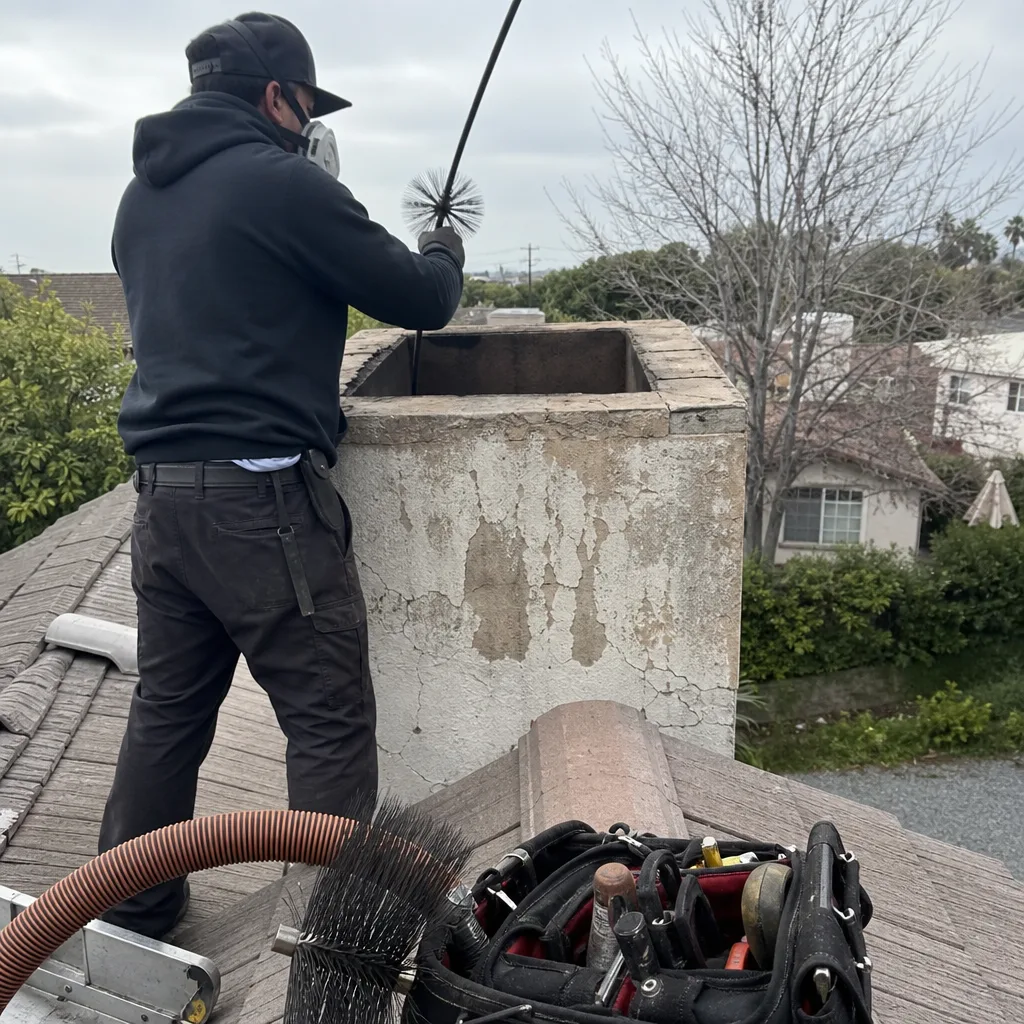 Before
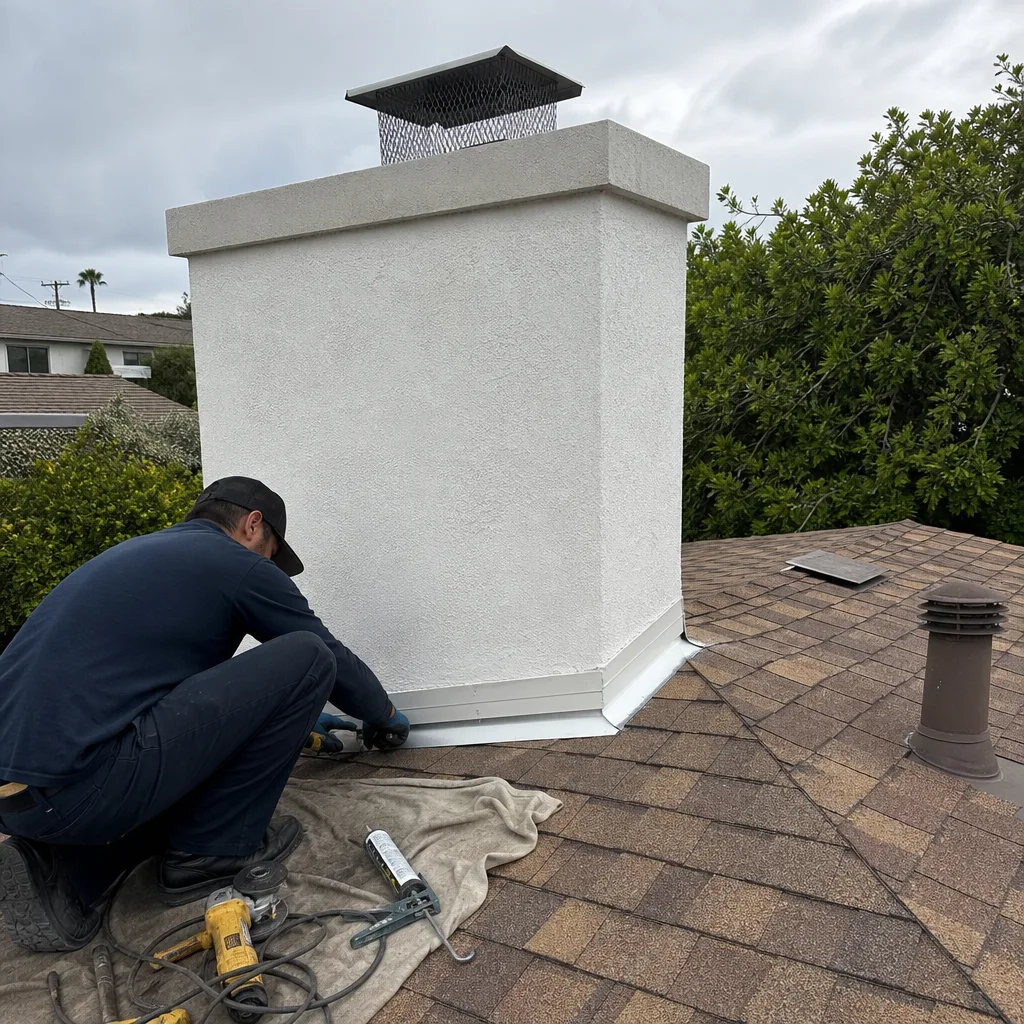 After
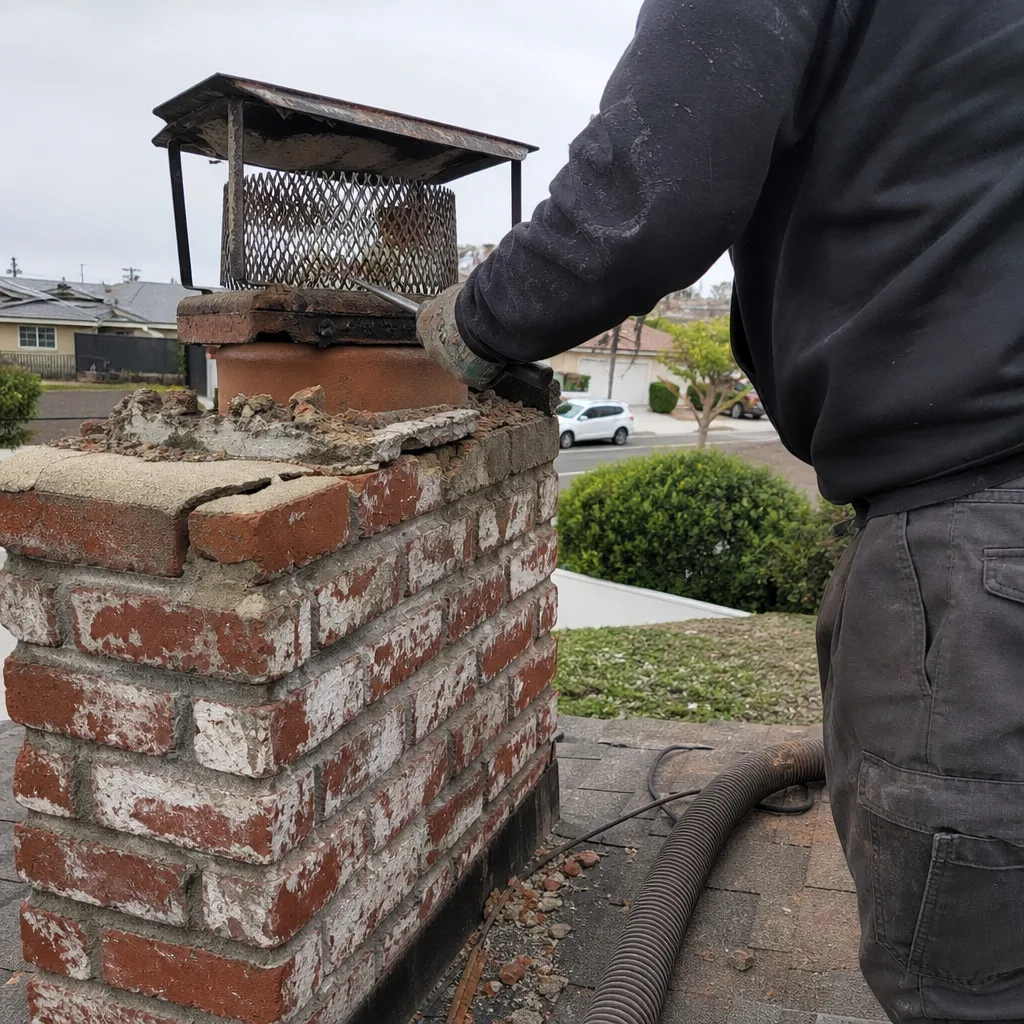 Before
 After
 Before
 After
When to Call a Professional
Call a professional when any of these conditions exist: it’s been more than two years since the last inspection, you’ve noticed a smoke odor between fires, you’ve seen water staining around the fireplace or ceiling, the damper doesn’t operate smoothly, you’ve burned more than 40 fires this season, or you have no idea what the inside of your flue looks like because no one has ever shown you a camera view of it. Also call if you’ve just purchased the home and the previous owner’s maintenance history is a verbal assurance rather than paperwork. Chimney Sweep Redondo Beach home service coverage includes Redondo Beach and surrounding South Bay communities. We offer free estimates; call (866) 632-1088 and we’ll walk you through what your system needs based on what we actually find.
Frequently Asked Questions
A standard chimney sweep with camera inspection in Redondo Beach typically ranges from $200 to $350 depending on flue height, accessibility, and fuel type. Add-on services like dryer vent cleaning or cap replacement are priced separately. Call (866) 632-1088 for an exact quote, estimates are free, and the price we quote is the price you pay.
Yes, if you have a fireplace under 15 years old, professionally inspected within the last 12 months, used fewer than 15 times per season, and you’re only removing surface soot from the lower flue. Beyond that profile, the risk-to-reward math shifts away from DIY. Know the profile before you buy the brush kit.
Annually, at minimum. The coastal environment’s humidity and salt air make creosote deposits more chemically active and accelerate corrosion on steel components, so the standard for this area holds at once per year, scheduled after the burning season ends in spring. Heavier use or wood that’s less than optimally seasoned may require twice-yearly attention.
You accumulate creosote without visible evidence, and in Redondo Beach’s humid environment, that buildup becomes more acidic and more corrosive to the flue. The first warning sign is often a smoke smell in the living room or water staining near the ceiling, and by then the repair cost has already grown beyond what a sweep would have caught. A $250 sweep that finds a hairline crack before it widens is far cheaper than a $4,000 liner repair after moisture has done its work.
Gas fireplaces need annual service, but it’s a different service than wood-burning chimney sweeping. Gas systems require burner inspection, pilot assembly checks, and venting verification for clearance and function. A Chimney Repair in Redondo Beach covers gas appliance servicing too, and the annual cadence still matters even though there’s no creosote involved.
It depends entirely on what the camera shows. A cracked terra cotta tile, pinholes in a steel liner, or deterioration in the mortar joints between tiles are all legitimate reasons for liner work. If a technician recommends a liner, they should show you the camera photos that support the recommendation. Without that evidence, get a second opinion. With it, the repair is real, and in many cases a restoration approach using HeatShield can extend the life of the existing liner rather than replacing it entirely, which is a meaningful cost difference.
Yes, and most of our Redondo Beach customers choose to combine them. Chimney sweeping and dryer vent cleaning address two of the highest-frequency household fire hazards in a single visit, and the discounts for bundling typically make it cheaper than scheduling them separately. One call covers both: (866) 632-1088.
The Bottom Line
The DIY chimney cleaning debate isn’t a simple yes or no. It’s a profile-based decision: new system, light use, recent professional inspection, seasoned wood, and a homeowner who stays out of the upper flue. That profile can handle surface soot with a brush kit and honest expectations. Everything else, which is most of what exists in a coastal climate like Redondo Beach, falls on the professional side of the line. The tools are different, the visibility is different, and the consequences of getting it wrong aren’t a mess on the hearth. They’re structural, financial, and in the worst case, dangerous. Do the maintenance tasks you can do well. Leave the flue to the people with the cameras, the rotary loops, and the repair-grade materials. For more guides & resources on chimney care, explore our blog. That’s the line, and it’s the same line every responsible chimney professional would draw for their own home.
Written by the team at Chimney Sweep Redondo Beach, serving Redondo Beach since 2017.