
Last updated November 2, 2026
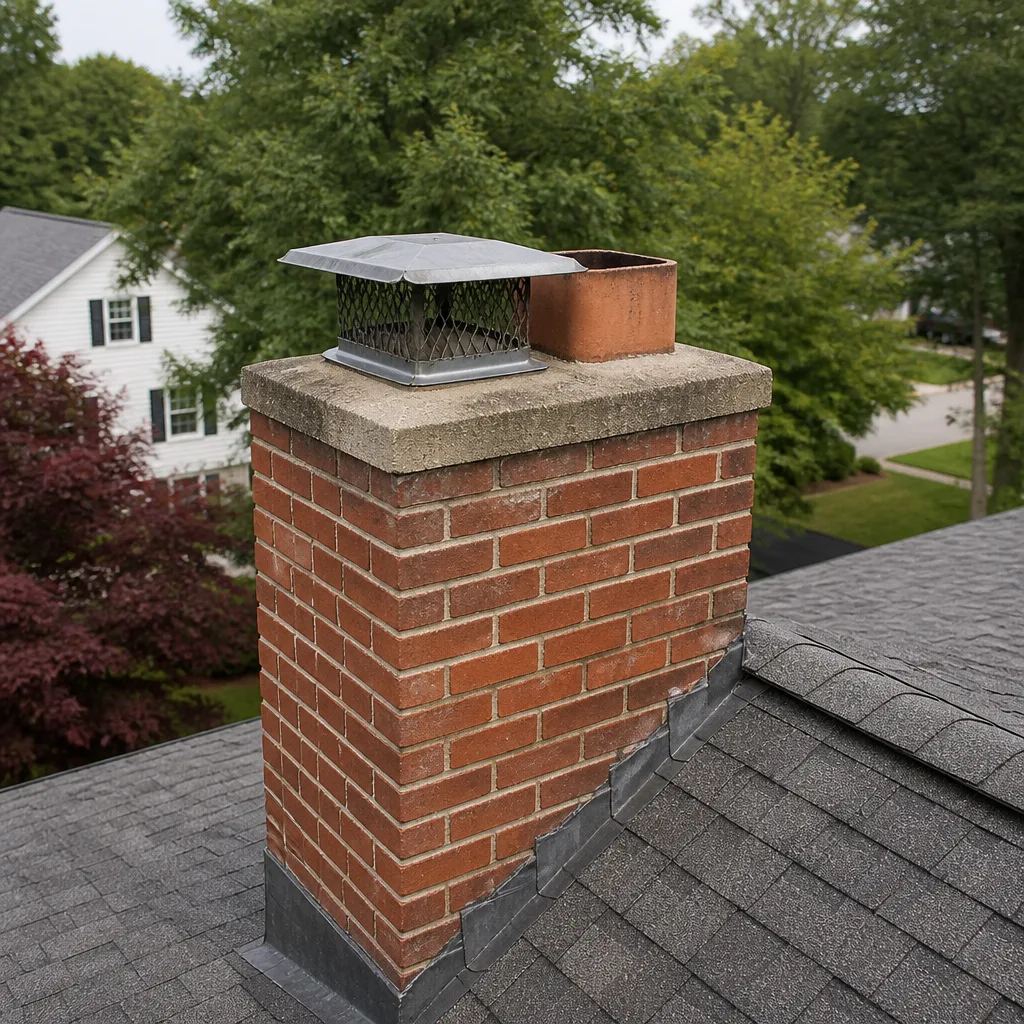 Sweep & inspection
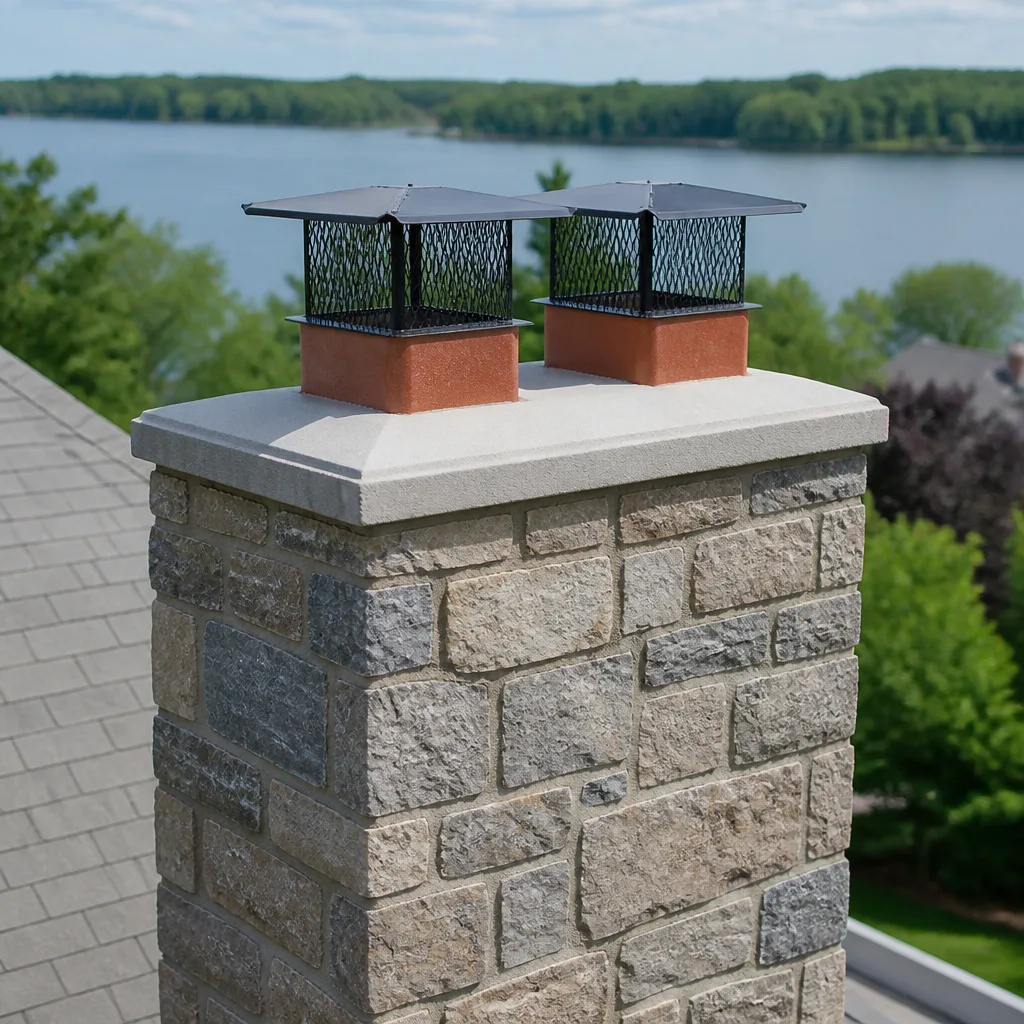 Caps & crowns
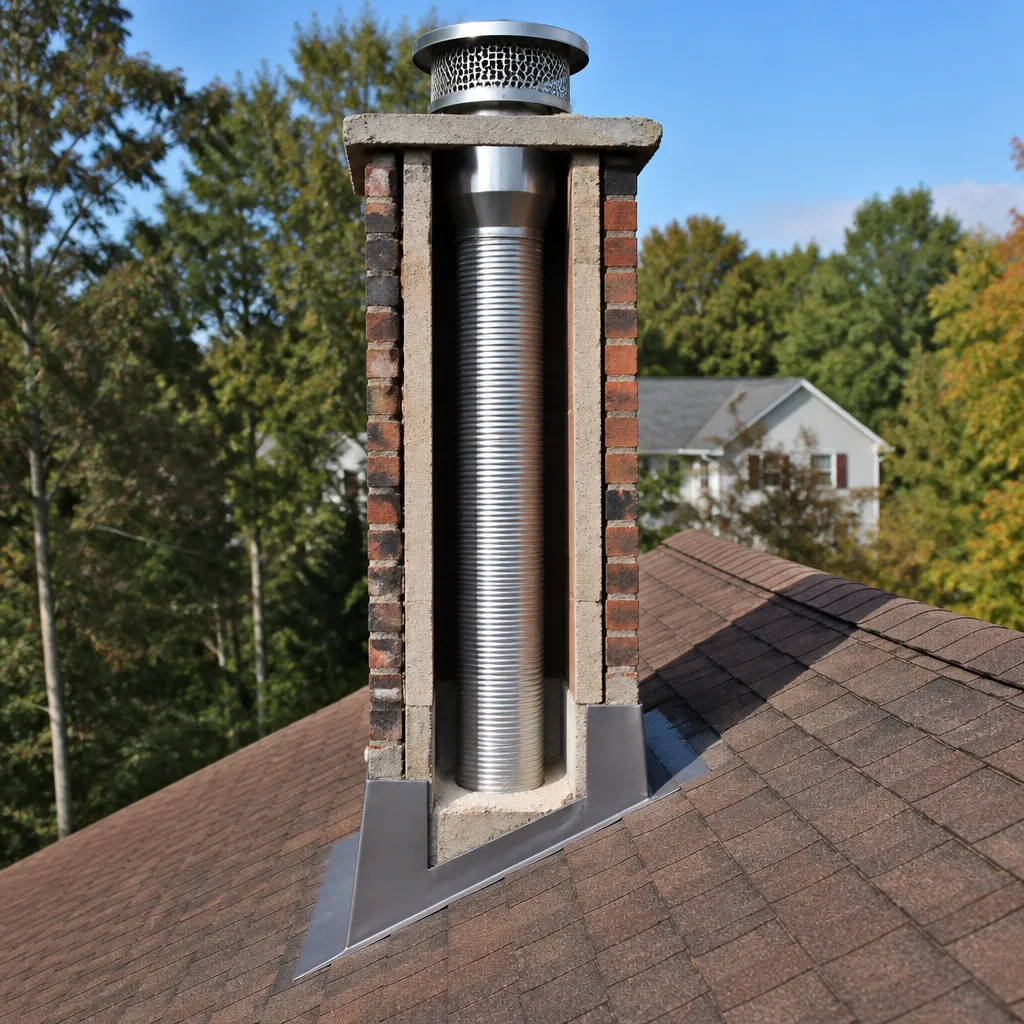 Flue relining
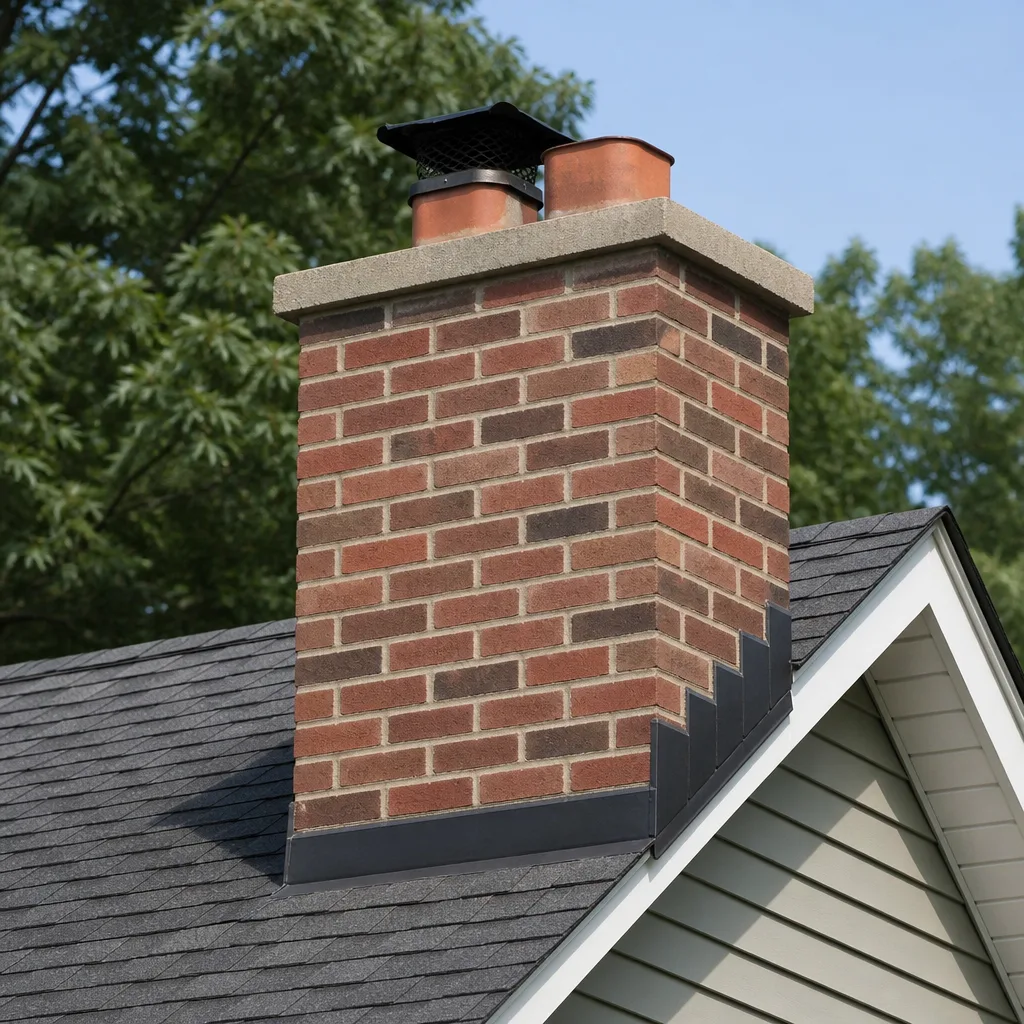 Masonry repair
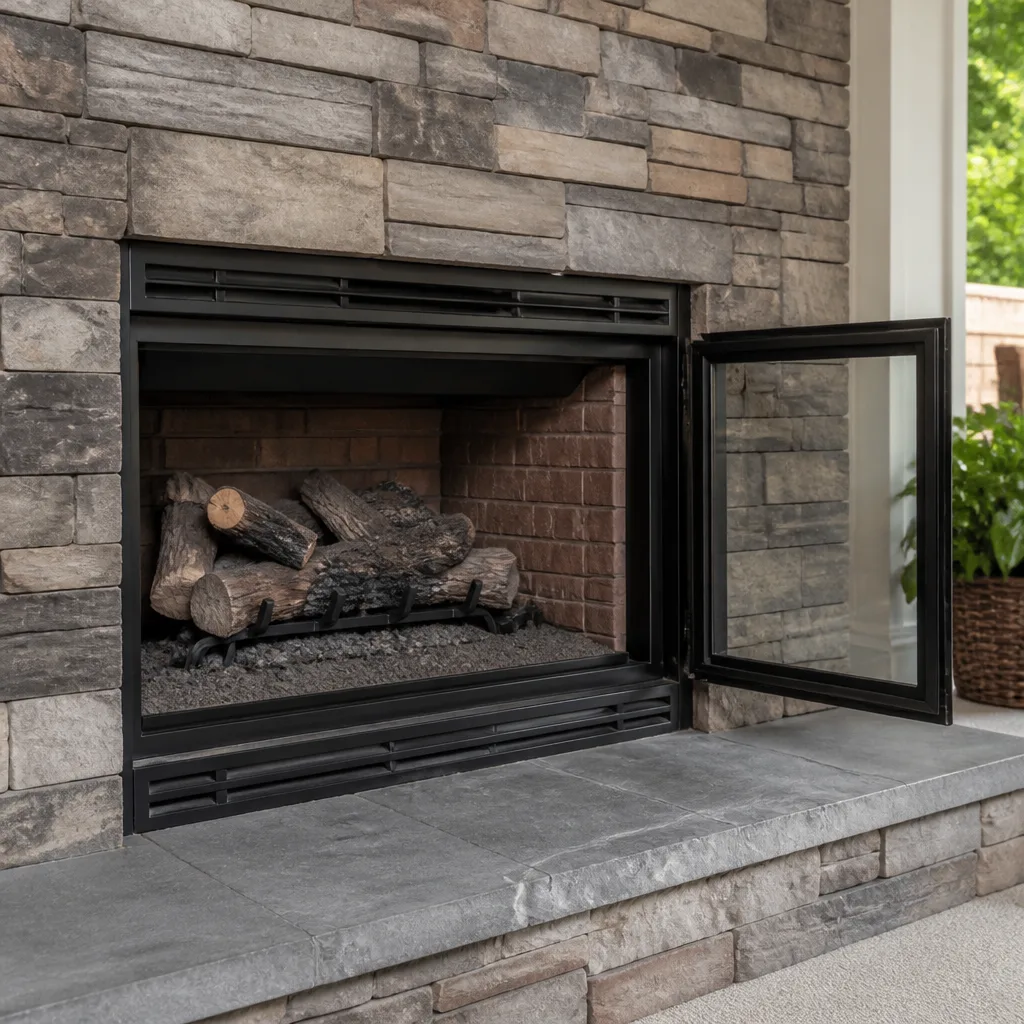 Gas fireplace service
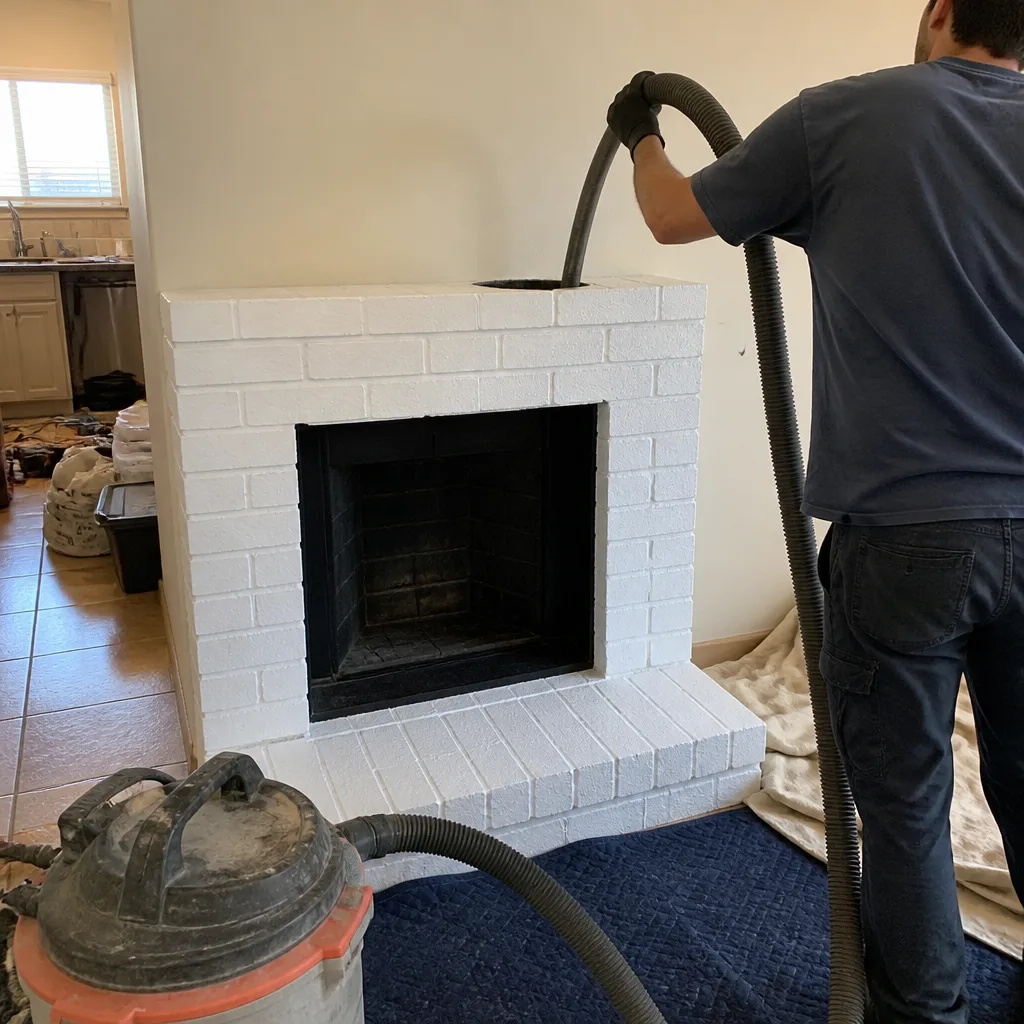
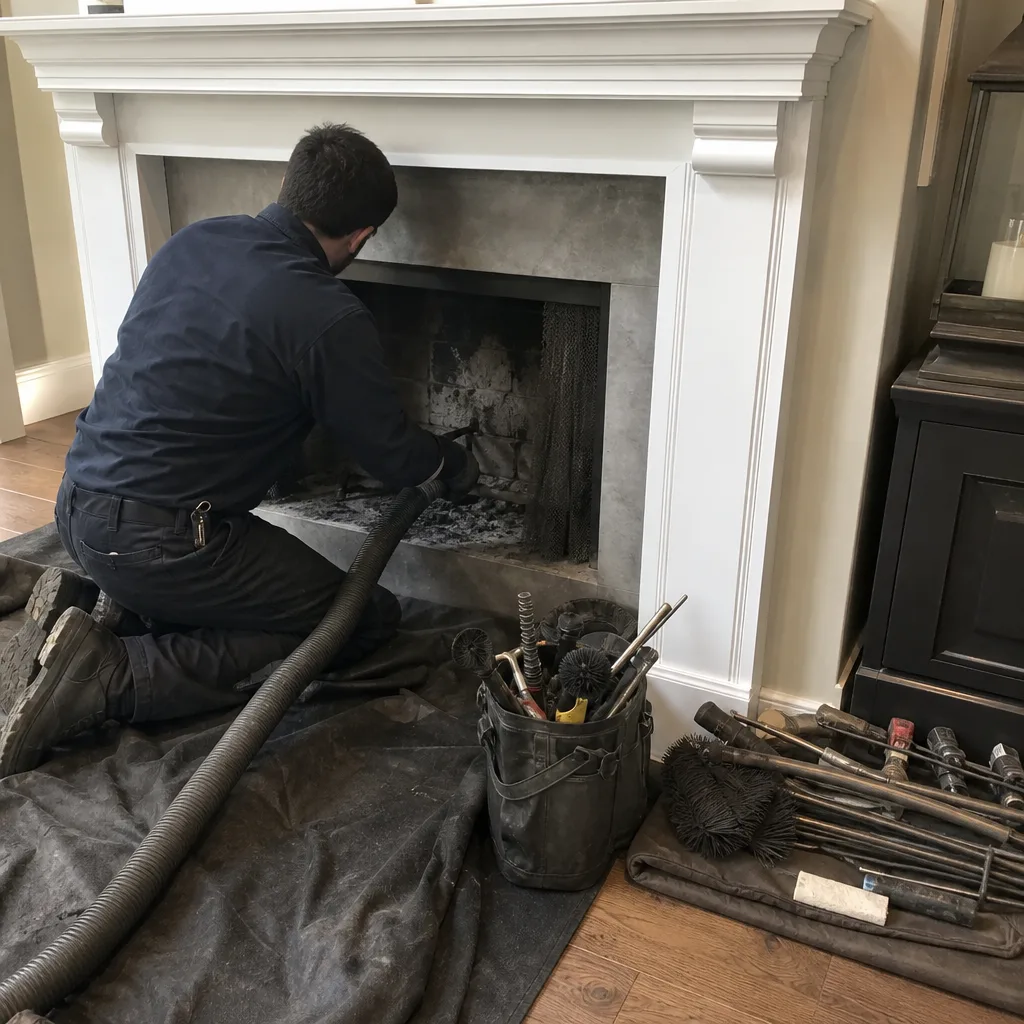
Level 1 sweep and inspection to the NFPA 211 annual standard - flue, crown, cap, and flashing checked and photographed
Chimney sweep logs do not sweep chimneys. They loosen some creosote - which then falls where a brush and vacuum still have to collect it.
Chimney Sweep Troubleshooting: Common Problems and How to Fix Them
Smoke backing into your living room gets blamed on a dirty flue almost by reflex. But here’s what we’ve learned from thousands of service calls in Redondo Beach: roughly 40% of the time, the real culprit is a pressure or draft issue that a cleaning alone won’t fix. This complete chimney sweep guide for Redondo Beach homeowners walks you through a diagnostic framework we use every day, so you can identify whether you’re dealing with buildup, a structural problem, a draft failure, or something outside the chimney entirely. You’ll learn what you can safely inspect yourself, what sounds and stains actually mean, and what to say when you call so the technician arrives with the right equipment and the right parts. No runaround, no guesswork.
Quick Answer
Chimney problems fall into four root causes: airflow obstruction (creosote, debris, animal nests), draft failure (negative house pressure, undersized flue, cap design), water intrusion (cracked crown, failed flashing, porous masonry), and structural wear (deteriorated liner, spalling brick, firebox cracks). Each symptom points to one of these causes. A dirty flue produces sluggish draw and a campfire smell even when cold. A draft failure pushes smoke back into the room only when the fire is lit. Water intrusion shows up as white staining and musty odors. Structural problems reveal themselves through sound, visible cracking, and failing mortar joints. Fixing the wrong cause wastes money and delays the real repair.
Styles & brands we work with
- Sweep & inspection
- Caps & crowns
- Flue relining
- Masonry repair
- Gas fireplace service
Table of Contents
- Symptom-to-Cause Decision Tree: What Your Chimney Is Actually Telling You
- Smoke Backdraft vs. Weak Draw: The Paper-and-Damper Test
- White Efflorescence Staining: Why It’s Water Intrusion, Not Aging
- The Three Sounds That Should Stop You From Lighting Another Fire
- Creosote Buildup: The Problem You Can Partly See and Mostly Can’t
- Liner Damage: Why Camera Inspection Is the Only Honest Diagnosis
- What Your Dryer Vent Is Telling You (and Why It Belongs in This Guide)
Symptom-to-Cause Decision Tree: What Your Chimney Is Actually Telling You
Most chimney cleaning guides treat every symptom as a sweep problem. That’s why homeowners end up paying for a cleaning that doesn’t solve anything. In our experience working on chimneys across Redondo Beach, from the older homes in the Avenues to newer builds in North Redondo, the symptom always points to a specific cause. Here’s the framework we use before we even put a ladder against the house.
Begin with the primary symptom. Smoke rollback when you light a fire points to a draft problem, not necessarily a dirty flue. A persistent campfire or ashy smell when the fireplace is cold points to creosote accumulation or a damper that’s not sealing. Visible white staining on the firebox or exterior brick points to water getting into the masonry. Flaking brick or crumbling mortar joints point to decades of moisture absorption. A whistling sound when wind blows points to a cap or chase cover issue. A loud cracking or popping during a burn points to thermal stress or a failing flue liner. Each of these has a different fix and a different price tag.
Here’s the decision tree in order of what to check:
- Smoke entering the room only while burning? Draft failure. Check house pressure, flue height, and cap obstruction before assuming creosote.
- Odor present even when the fireplace is unused? Creosote buildup, a stuck-open damper, or a missing chimney cap letting humidity activate the deposits.
- White powdery stains on brick or firebox? Water intrusion. The chimney is absorbing moisture and the salts are leaching out.
- Cracking or ticking sounds during a fire? Thermal stress on the liner or firebox. Stop using the fireplace and schedule an inspection.
- Whistling or humming in wind? Cap design problem or chase cover resonance. Annoying, but fixable without touching the flue.
- Flakes of material in the firebox? Spalling brick or a deteriorating liner. This is structural, not cosmetic.
The value of this framework is speed. You’re not calling a sweep and hoping. You’re describing a symptom accurately, and the technician arrives prepared. That’s the difference between a 45-minute diagnostic and a two-visit ordeal. If you’re in Redondo Beach and want someone who will work through this exact decision tree with you over the phone before you book, call us at (866) 632-1088. No charge for the conversation.
Smoke Backdraft vs. Weak Draw: The Paper-and-Damper Test
Smoke backing into the room is the most alarming chimney problem because it’s happening right in your living space. The immediate assumption is that the flue is clogged, and sometimes that’s true. But in Redondo Beach, where many homes sit close together and were built after 1950, the more common pattern we see is a draft inversion driven by house pressure, not debris. Coastal air patterns and tightly sealed modern windows both contribute.
A backdraft means smoke is actively being pushed into the room. A weak draw means smoke rises slowly and lingers, sometimes spilling out when a gust hits the chimney. These are different problems with different fixes. Here’s a simple diagnostic you can run in about ten minutes:
- Open the damper fully. Look up with a flashlight. If you see daylight at the top and no obvious blockage, continue.
- Crack a window in the room where the fireplace is located. About two inches. If the draw improves immediately, the house is too tightly sealed and the fireplace is starving for combustion air.
- Hold a lit match or a strip of tissue paper just inside the firebox opening. Blow out the match so it’s just smoke. Does the smoke rise into the flue, or does it drift into the room? Drifting into the room confirms a draft failure.
- Turn off exhaust appliances. Bathroom fans, range hoods, and especially whole-house attic fans can pull air out of the house faster than the chimney can supply it. If the backdraft stops when the fans turn off, the problem isn’t the chimney at all. It’s a house pressure imbalance.
- Check the chimney cap. From the ground, see if the cap looks intact. A missing or damaged cap lets wind curl down the flue and push smoke back. It also lets rain in, which creates a different set of problems.
If the paper test shows no draft even with a window open and fans off, then the problem is likely upstream: a blockage, heavy creosote, or a flue that is undersized for the fireplace. That’s where a professional camera inspection becomes necessary. But running this test first gives you real information. When you call us in Redondo Beach, telling us “the draw improves when I crack a window” saves a full diagnostic cycle. We know it’s not the flue, and we can focus on the actual issue.
White Efflorescence Staining: Why It’s Water Intrusion, Not Aging
White chalky stains on the face of a chimney or the firebox floor get dismissed as normal aging. They’re not. Efflorescence is salt deposits left behind when water moves through masonry and evaporates. The water dissolves the salts naturally present in brick and mortar, carries them to the surface, and leaves them behind when it dries. Seeing efflorescence means water is entering the chimney system and has been doing so for a while.
In Redondo Beach, the salt air adds another layer to this. Ocean-adjacent homes deal with airborne salt that settles on masonry and gets pulled in by the same moisture cycle. But the root cause is almost always water penetration at one of four points: the crown (the concrete slab at the top), the flashing (where the chimney meets the roof), the mortar joints (which wick moisture like a sponge when worn), or the brick itself (which is porous by nature).
Here’s what to check:
- Cracked crown: Look for hairline fractures running across the top concrete surface. Water follows those cracks down through the masonry. This is the single most common entry point we see in Redondo Beach chimneys.
- Deteriorated flashing: The metal where roof meets chimney ages. Step flashing, counterflashing, and the sealant between them all fail eventually. Water against the flashing line often shows up as a damp spot on the ceiling near the fireplace, not on the chimney itself.
- Worn mortar joints: Run your hand (carefully, from a ladder, only if safe) along a joint. If it crumbles or feels sandy, the joint is failing and absorbing water.
- Failed chimney cap: A cap that’s rusted through or missing entirely lets rain straight down the flue. That water defeats the firebox first, which is why efflorescence inside the firebox is a red flag.
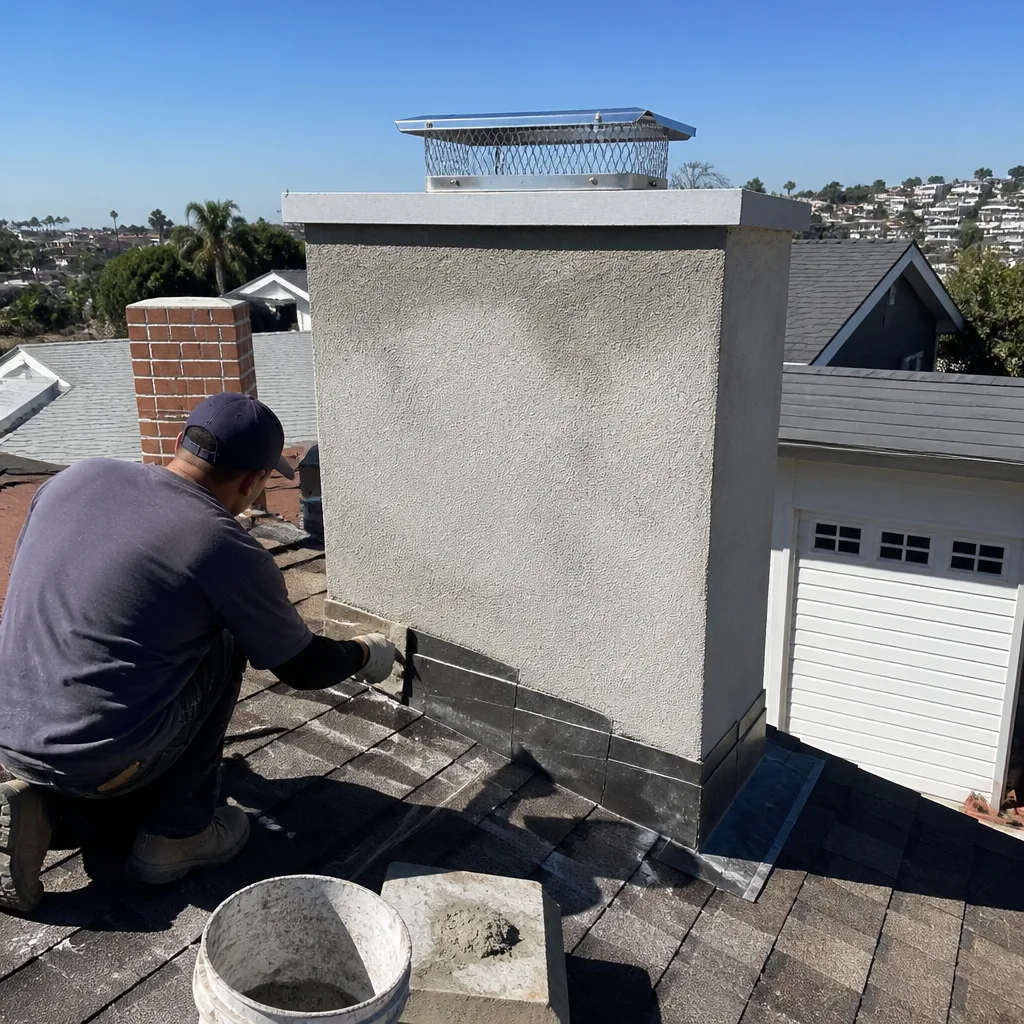
Efflorescence itself is not structural damage, but it’s the visible symptom of the water that eventually causes structural damage. Brick that stays wet through freeze-thaw cycles spalls, meaning the surface flakes off. That’s the point where a repointing job turns into a rebuild. If you’re seeing white staining, the cost of a crown repair or a repointing is a fraction of what you’ll pay a year from now. We use Gelco crown sealant and Copperfield caps on Redondo Beach repairs because both are built for coastal exposure, and because we’d rather fix the crown once than explain to a homeowner why their chimney needs a partial rebuild.
The Three Sounds That Should Stop You From Lighting Another Fire
Chimneys talk. Most of the time the sounds are normal expansion and contraction, or wind moving across the cap. But three specific patterns indicate problems that a sweep will not fix, and a homeowner should not ignore.
First, a sharp cracking sound during active burning. Not the soft ticks of metal expanding, but a distinct crack, like a stone hitting the ground. That sound often means a flue liner tile has cracked under thermal stress. Clay tile liners are brittle by nature, and after years of heat cycling, they fail. A cracked tile allows heat and combustion gases to reach the chimney structure, where creosote may have accumulated between the liner and the walls. That’s the setup for a chimney fire, and it’s a harder one to control because it’s burning outside the liner.
Second, a sustained whistling or humming when wind is blowing, even with no fire. This points to the chase cover or chimney cap, not the flue itself. In Redondo Beach, where afternoon winds come off the ocean most of the year, we hear this constantly. The fix is usually a properly sized Copperfield cap or a new chase cover. Left alone, a loose cap lets rain in, and the whistling is also a sign that the cap is vibrating against the flue tile, which can chip the tile over time.
Third, a faint ticking sound from the firebox after the fire is out. The firebox floor is built to absorb heat, but a ticking that continues long after the fire has died can indicate a crack in the firebox refractory panels. These panels are replaceable, but the damage underneath needs assessment. The bottom line: if you hear cracking during a burn, loud whistling in wind, or persistent ticking after a burn, stop using the fireplace and schedule an inspection. Any of our technicians in Redondo Beach will camera the flue before recommending anything, because sound alone tells us where to look, not what to do.
Creosote Buildup: The Problem You Can Partly See and Mostly Can’t
Creosote is the sticky, tar-like residue that condenses on flue walls when wood smoke cools too quickly on its way up. It builds in stages, and the stages matter. What you can see from the firebox is often the least dangerous part of what’s actually in the flue.
First-stage creosote is flaky and grayish, like coffee grounds stuck to the walls. A stiff brush removes it. Second-stage creosote is shiny and granular, like granulated sugar that’s been heated. It requires rotary cleaning with chains or aggressive brushes. Third-stage creosote is tar-like, glazed, and shiny, like melted plastic that’s hardened. This is what burns. Glazed creosote is the primary fuel source for chimney fires, and it does not come out with a standard brush. In our experience across Redondo Beach, homeowners who burn unseasoned wood or run fires at low temperatures for long periods are the ones who develop stage-three creosote. Coastal humidity makes it worse because the flue stays damp between burns.
Here’s what you can actually check without getting on the roof:
- Sluggish draw even with a clean damper: Creosote has narrowed the flue passage. The chimney can’t move enough air, so smoke hesitates.
- A sharp campfire smell when the fireplace is cold and the damper is closed: This means heavy accumulation. The creosote is off-gassing in humid air. This is the symptom most homeowners mention when they call us in Redondo Beach.
- Black flakes falling into the firebox after a windy day: Wind is dislodging stage-two creosote from the flue walls. These flakes are flammable. Do not burn them off. They need removal.
- A shiny, hard surface visible from the firebox when you look up with a flashlight: Stage-three. This is the point where we recommend chemical treatment plus rotary cleaning, or in severe cases, liner restoration.
A standard sweep handles stages one and two. Stage three requires more aggressive methods, and in some cases the flue is so deteriorated underneath the creosote that a liner replacement or restoration is the honest recommendation. That’s where the HeatShield process matters. HeatShield is a cerfied cerfied resurfacing system that can restore a cracked or deteriorated flue without a full teardown, using a specialized sealant applied through the existing liner. Not every chimney company in Redondo Beach offers it. We do, because the alternative is often a $6,000-plus liner replacement that might not be necessary.
Liner Damage: Why Camera Inspection Is the Only Honest Diagnosis
Most chimney liners fail silently. You won’t see the crack from the firebox. You might not smell anything, because the crack is six feet up from the firebox floor. The first sign is often the one we described in the sounds section: a sharp cracking during a burn. By the time a liner crack is visible from the firebox, the failure is significant.
A Level 2 camera inspection is the only method that reveals liner condition accurately. The technician threads a video camera up the flue and documents every inch. What we’re looking for: cracked clay tiles, gaps at the tile joints, visible daylight through masonry gaps, and deteriorated mortar between tiles. We also photograph everything, because our rule is simple: no recommendation without evidence a homeowner can see for themselves.
Here’s what liner damage means in practical terms:
- Carbon monoxide path: A cracked liner allows combustion gases to move through the chimney structure instead of up and out. CO is odorless and colorless. This is the safety argument, and it’s not theoretical.
- Chimney fire fuel: Creosote accumulates in the space between the liner and the chimney wall, where it can’t be brushed out. That becomes the fuel for a fire that burns outside the liner, where it’s much harder to extinguish.
- Structural deterioration: Heat and moisture escaping through the liner damage the surrounding masonry over time. The liner is the barrier. When it fails, the whole chimney ages faster.
The fix is either a DuraFlex stainless steel liner, installed when the existing flue is too far gone to restore, or a HeatShield resurfacing, when the damage is still localized and the liner structure is intact. We recommend the DuraFlex route when tiles are missing or the flue is too offset for resurfacing. We recommend HeatShield when the liner has cracks but is still aligned and stable. Both are professional-grade products. Neither is a hardware-store solution. If you’re in Redondo Beach and want to know which applies to your chimney, we’ll camera the flue and show you the footage before we quote a number. Call (866) 632-1088 to schedule.
What Your Dryer Vent Is Telling You (and Why It Belongs in This Guide)
A chimney sweep guide that talks about dryer vents is unusual, but the overlap matters. Both systems move hot air and combustion byproducts out of your home. Both accumulate flammable residue. Both fail gradually and quietly. And in Redondo Beach, where many homes have laundry closets on interior walls with long vent runs, the dryer vent is often the more neglected of the two.
Here are the symptoms that should trigger a call, and what they mean:
- Clothes taking longer than 45 minutes to dry: The vent is restricted. Lint has built up in the duct, or the exterior flap is stuck. This is the earliest and most common symptom. Every extra cycle adds lint and heat stress to the system.
- The dryer exterior getting hot during a cycle: Heat that should be moving out is backing up into the machine. This shortens the dryer’s life and is a known fire-start condition.
- A musty smell on “dry” clothes: Moisture is condensing in the duct instead of venting out. That moisture is also trapping lint against the duct walls, which accelerates buildup.
- The exterior vent flap not opening while the dryer runs: Either the flap is jammed or the duct is fully blocked. Either way, the dryer is venting into the wall or the attic.
These are not chimney symptoms, but they’re the same category of risk. We use Famco vent components when we repair or replace dryer venting because they’re built for the full run from the dryer to the exterior cap: proper terminations, backdraft dampers, and extension pieces that fit. Most hardware-store parts are generic and seal poorly at the joints. Proper venting matters because a disconnected joint in an interior wall is invisible to the homeowner and dangerous in a way that’s easy to overlook.
We’ve made dryer vent cleaning a first-class service alongside chimney sweeping because for most homes, one call covers both. The same truck, the same technician, the same standard of documentation. If your dryer is showing any of the symptoms above, or you can’t remember the last time the vent was cleaned, dryer vent cleaning in Redondo Beach is the place to start. And if you’re already scheduling a sweep, have the technician check the vent while they’re there. The incremental cost is lower than a separate visit.
Common Mistakes to Avoid
- Paying for a sweep before ruling out draft failure. One in four service calls we take in Redondo Beach turns out to be a pressure problem, not a dirty flue. Run the paper-and-damper test first. You’ll save the cost of an unnecessary visit.
- Ignoring efflorescence because it’s “just cosmetic.” White staining is water intrusion making itself visible. Every month you wait, the water is doing structural work you can’t see. Crown repair costs a few hundred dollars. A partial rebuild costs thousands.
- Burning unseasoned wood to save money on firewood. Wet wood creates stage-one creosote at a rate that will cost you more in cleaning than you ever saved on wood. In Redondo Beach’s humid climate, this effect is amplified.
- Using a duct-cleaning company for chimney work, or vice versa. Chimney systems and dryer vents look similar from the outside, but the codes, clearances, and failure modes are different. Use a company that does both, not one that’s guessing at one.
- Waiting to see “visible damage” before calling. The most dangerous chimney conditions are invisible from the ground and from the firebox. If the symptoms in this guide are present, the damage is already happening. Early intervention is the difference between a sweep and a rebuild.
- Letting a home inspector’s chimney note lapse. A note like “chimney needs further evaluation” on a Redondo Beach home inspection often gets forgotten. Pull it out, read it, and call a specialist. The evaluation costs less than you think, and the answer matters.
- Skipping the dryer vent because “it’s just a dryer.” Dryer vents cause more household fires in the U.S. than chimneys do. The fix is simple and the service is inexpensive. It belongs on the same maintenance calendar as the chimney sweep.
See the difference
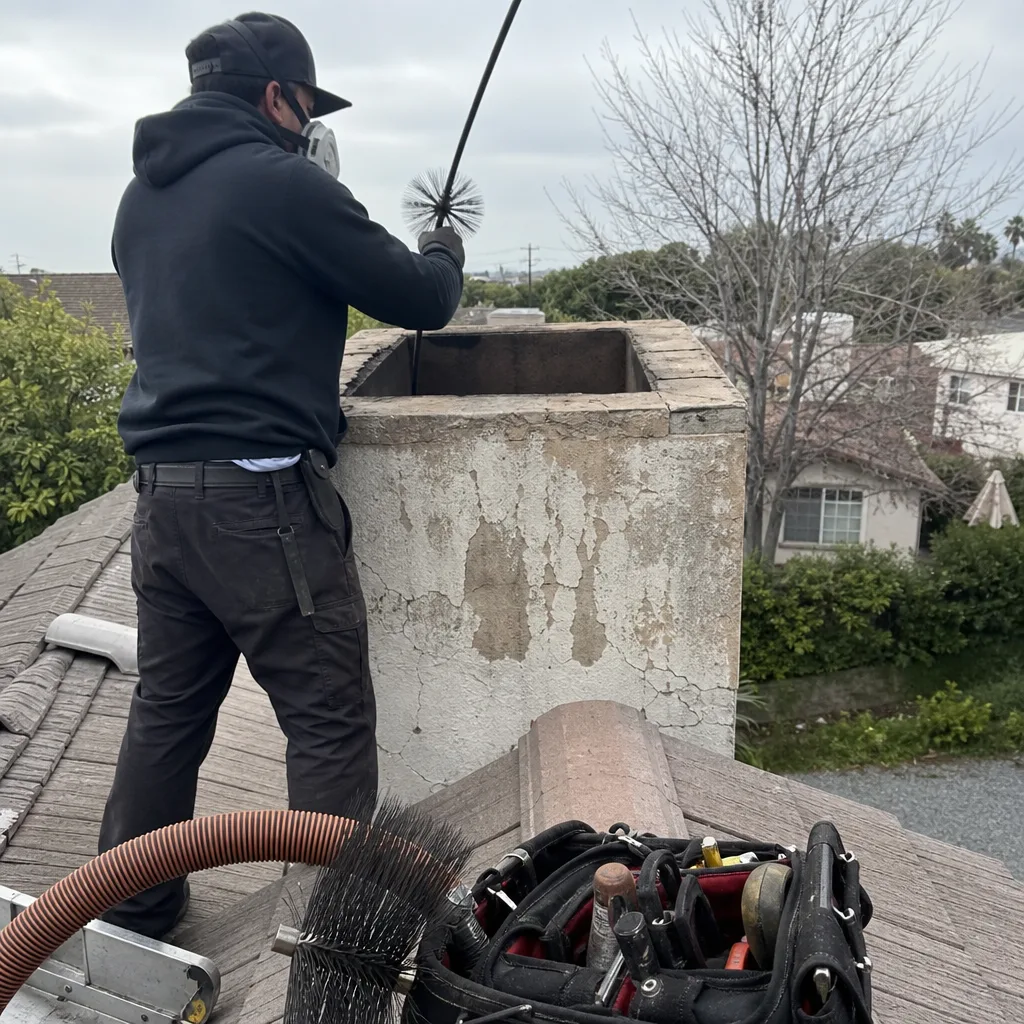 Before
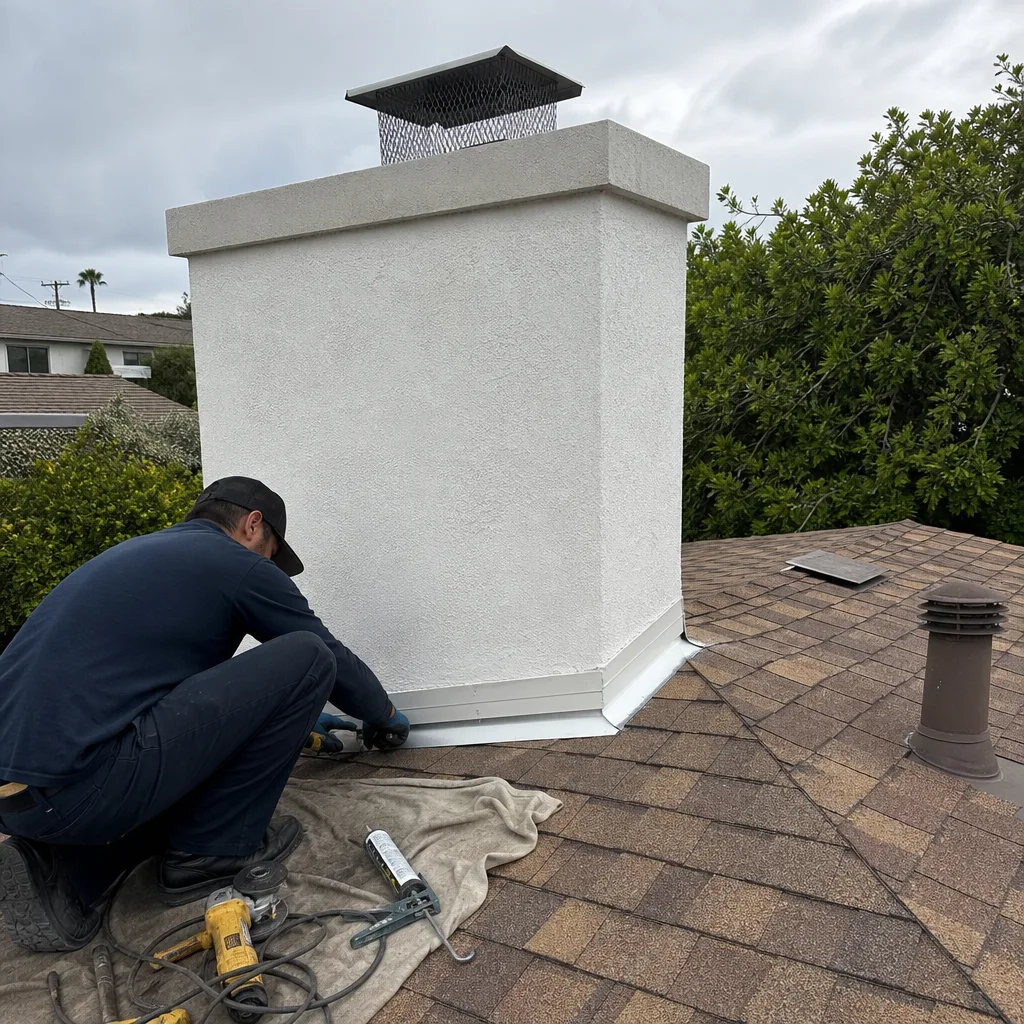 After
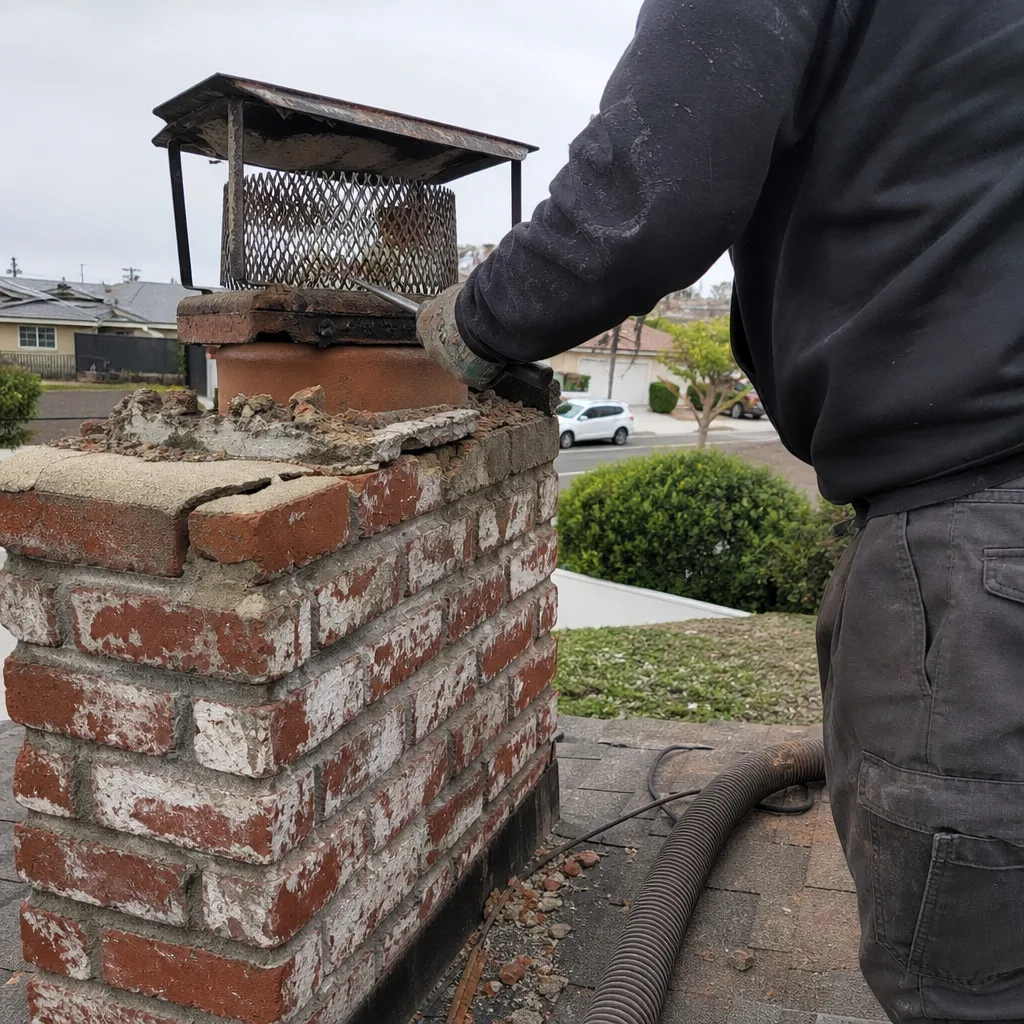 Before
 After
 Before
 After
When to Call a Professional
Call a professional when the symptom is structural, persistent, or invisible. That means cracking during a burn, white staining that returns after cleaning, smoke rollback that doesn’t improve with the paper test, any smell of creosote that doesn’t clear after a sweep, or a dryer that’s taking longer than 45 minutes per load. These symptoms mean something is happening that a homeowner can’t see and shouldn’t try to fix from the inside. The flue liner is not accessible without a camera. The dryer duct in the wall is not accessible without tools. The crown can’t be assessed from the ground. If you’re in Redondo Beach, we offer free estimates and we’ll walk through this exact diagnostic framework before we even schedule the visit. Call (866) 632-1088. We cover the full scope: Chimney Sweep Redondo Beach home, chimney sweep in Redondo Beach, chimney repair in Redondo Beach, and dryer vent cleaning, all from one team.
Frequently Asked Questions
A standard chimney sweep in Redondo Beach typically costs between $160 and $300 depending on flue length, creosote stage, and accessibility. If the flue has heavy stage-three creosote or hasn’t been cleaned in years, the cost can run higher because the cleaning is more labor-intensive. Call (866) 632-1088 for an exact quote based on your chimney’s condition. Estimates are free.
Not necessarily. Small cracks can often be restored with HeatShield resurfacing, which seals the existing liner without tearing it out. Larger cracks, missing tiles, or misaligned flues usually require a DuraFlex stainless steel liner. The only way to know is a Level 2 camera inspection, which we’ll show you on screen so you can see the damage yourself before deciding.
The National Fire Protection Association recommends a sweep when creosote reaches 1/8 inch thickness, but for a typical Redondo Beach home burning one to two cords of seasoned wood per year, an annual sweep is the right cadence. Gas fireplace chimneys can usually go two years. If you burn wet wood or run long, low-temperature fires, you may need it more often. Call (866) 632-1088 and we’ll help you set the right schedule for your usage.
Creosote builds up, narrowing the flue and eventually creating a fuel source for a chimney fire. That fire can escape the flue if the liner has cracked, which is when homes burn. At minimum, skipping sweeps means more expensive cleanings later, and the risk of a fire that insurance may not cover if negligence is documented.
You can brush a lightly soiled flue with a proper brush kit, but you can’t see what you’re cleaning. Without a camera, you’re working blind. You’ll miss cracked tiles, stage-three glazing, and animal nests. And climbing on a roof in Redondo Beach, where many homes have steep pitches and ocean wind, is not a casual job. We’ll always recommend a professional camera inspection alongside any cleaning.
Yes. The first symptom of a restricted dryer vent is longer drying times, but by the time you notice that, the restriction has been building for months. Lint accumulates in the duct even when the dryer works normally, and a plugged exterior flap or a disconnected joint in the wall is invisible until it fails. Dryer vent cleaning is inexpensive and it prevents the leading household fire cause. Call (866) 632-1088 to add it to your chimney service visit.
The Bottom Line
Most chimney problems have one of four root causes: airflow obstruction, draft failure, water intrusion, or structural wear. Each symptom points to one of these, and fixing the wrong one costs money without solving anything. Run the paper-and-damper test before you call. Look for white staining. Listen for cracking, whistling, and ticking. Inspect what you can safely see. When the problem is structural or invisible, hire a company that uses a camera and shows you the evidence, and check our more guides & resources for additional help. In Redondo Beach, that’s us: chimney sweep, dryer vent cleaning, and repair capability in one team, using professional brands like DuraFlex, HeatShield, Gelco, and Copperfield. Call (866) 632-1088 for a free estimate and a straight answer.
Written by the team at Chimney Sweep Redondo Beach, serving Redondo Beach since 2017.