
Last updated November 2, 2026
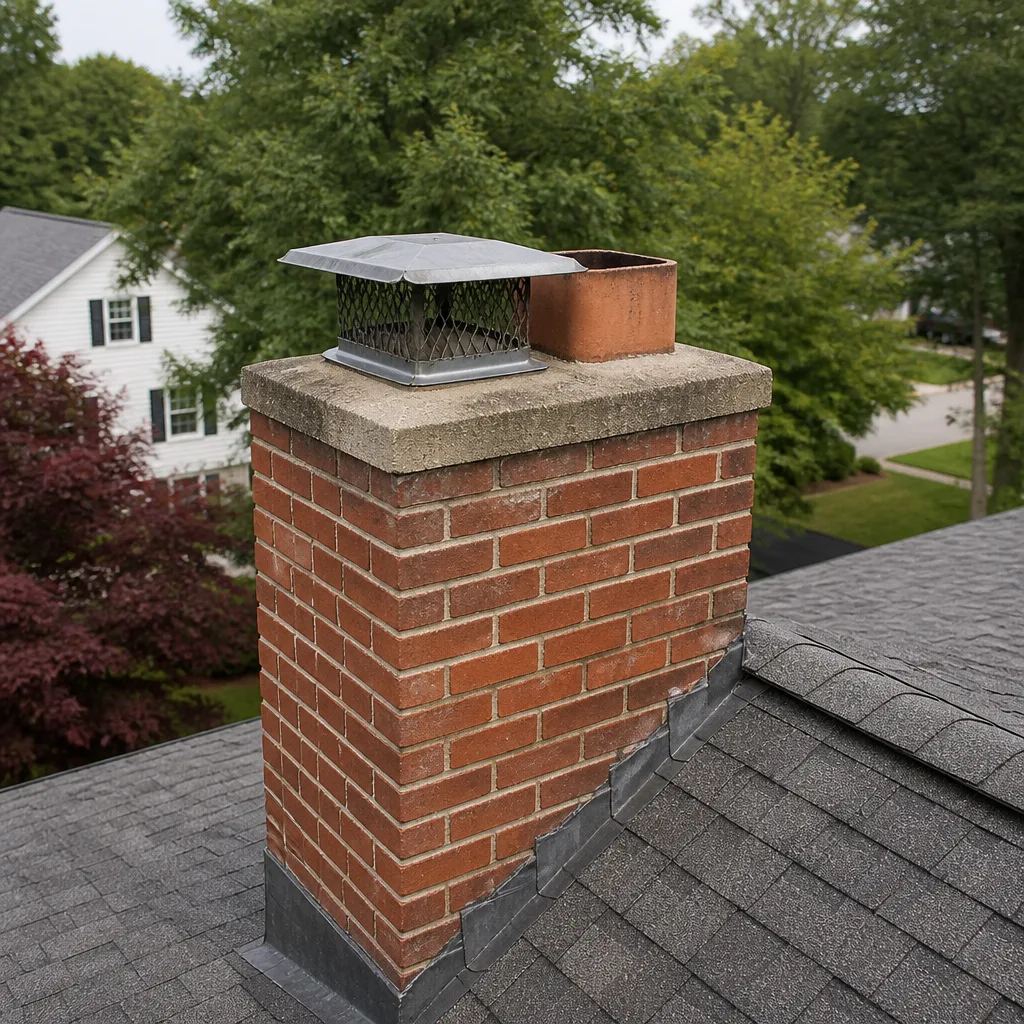 Sweep & inspection
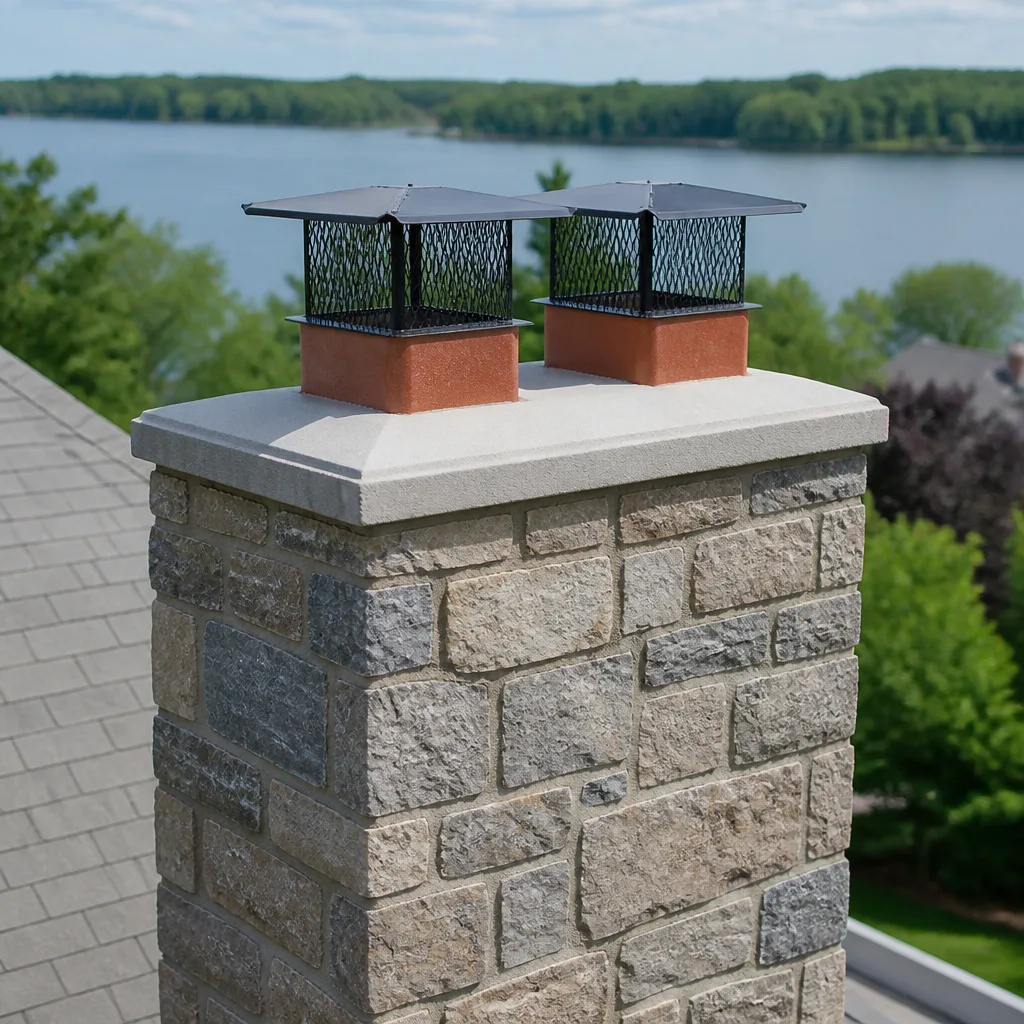 Caps & crowns
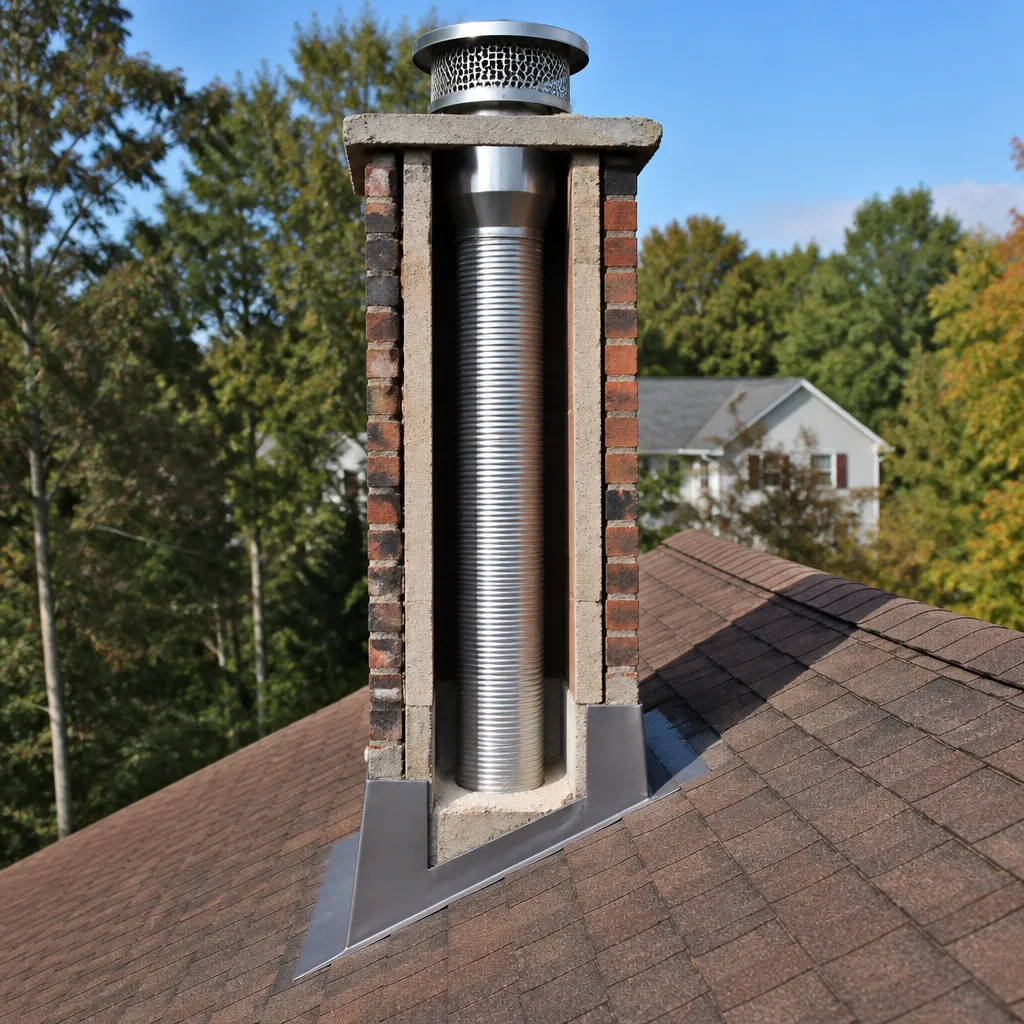 Flue relining
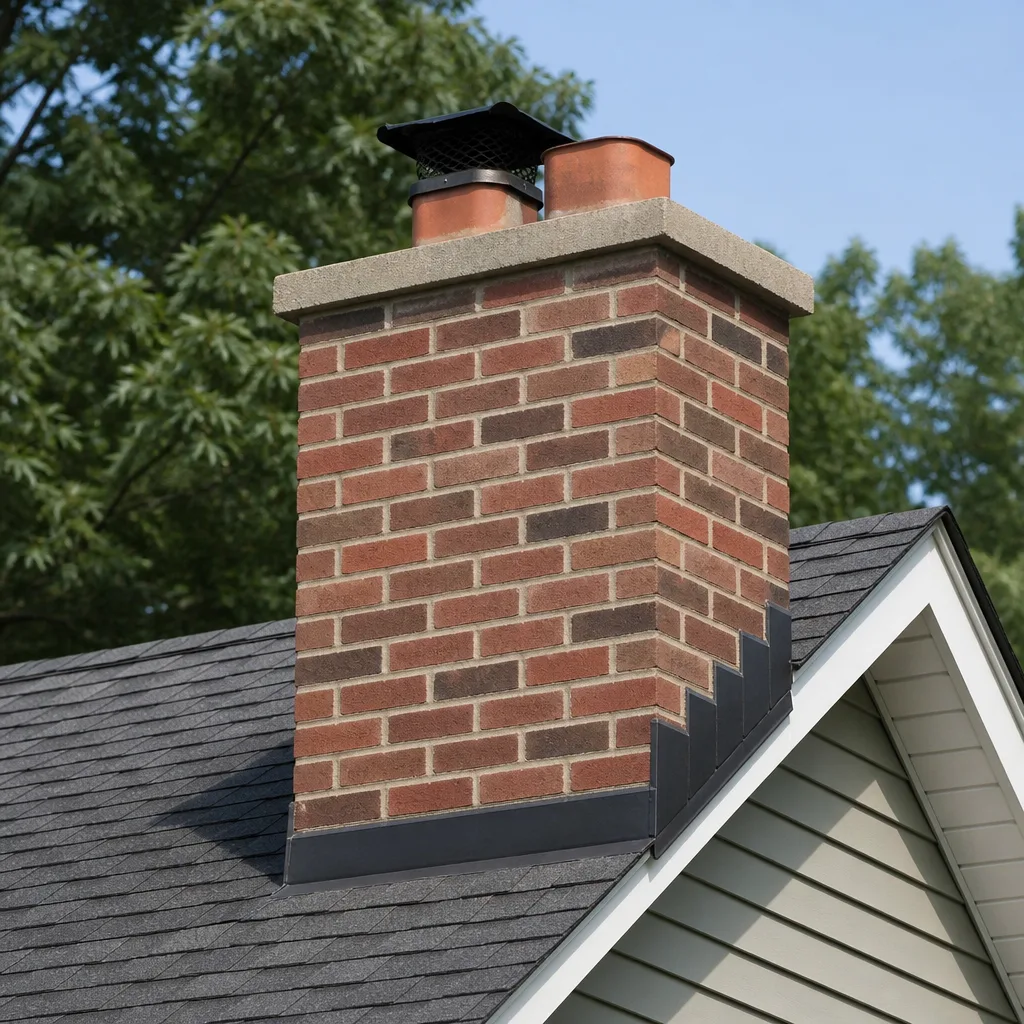 Masonry repair
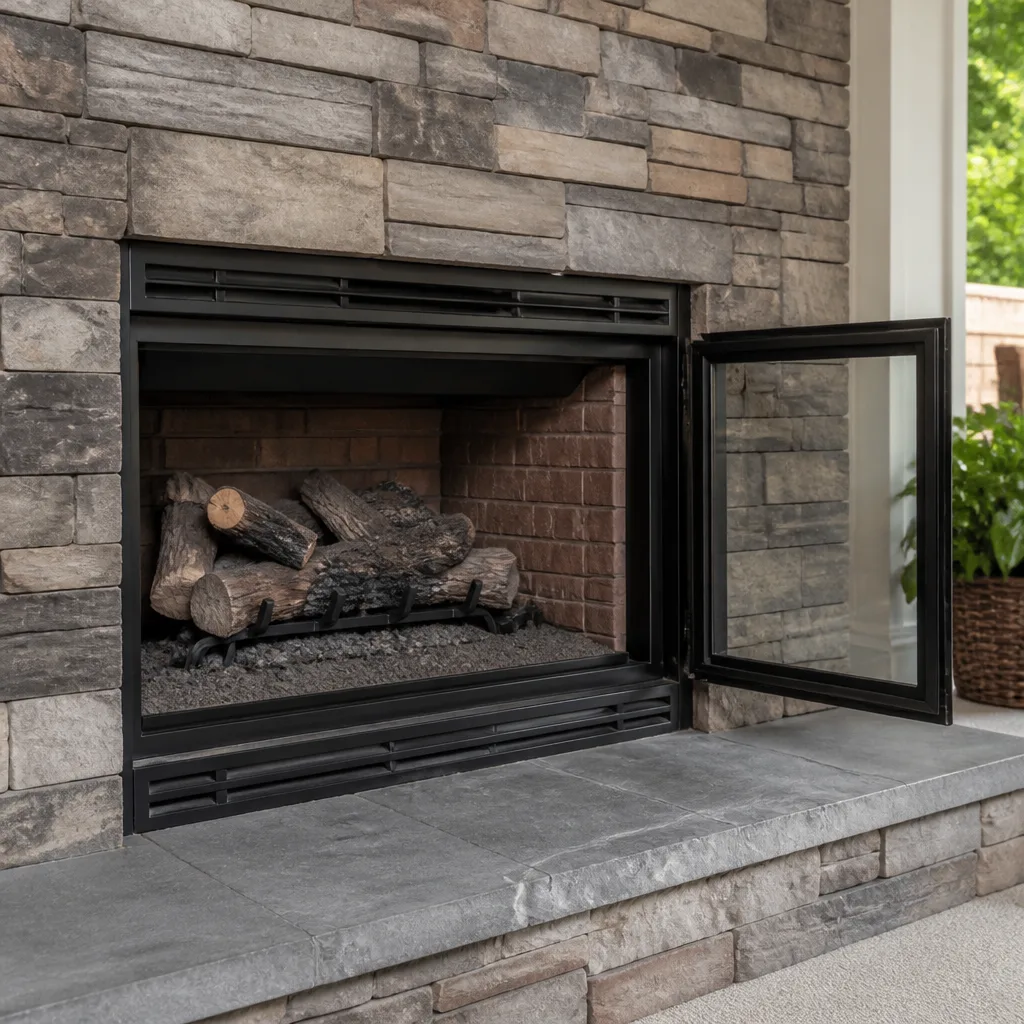 Gas fireplace service
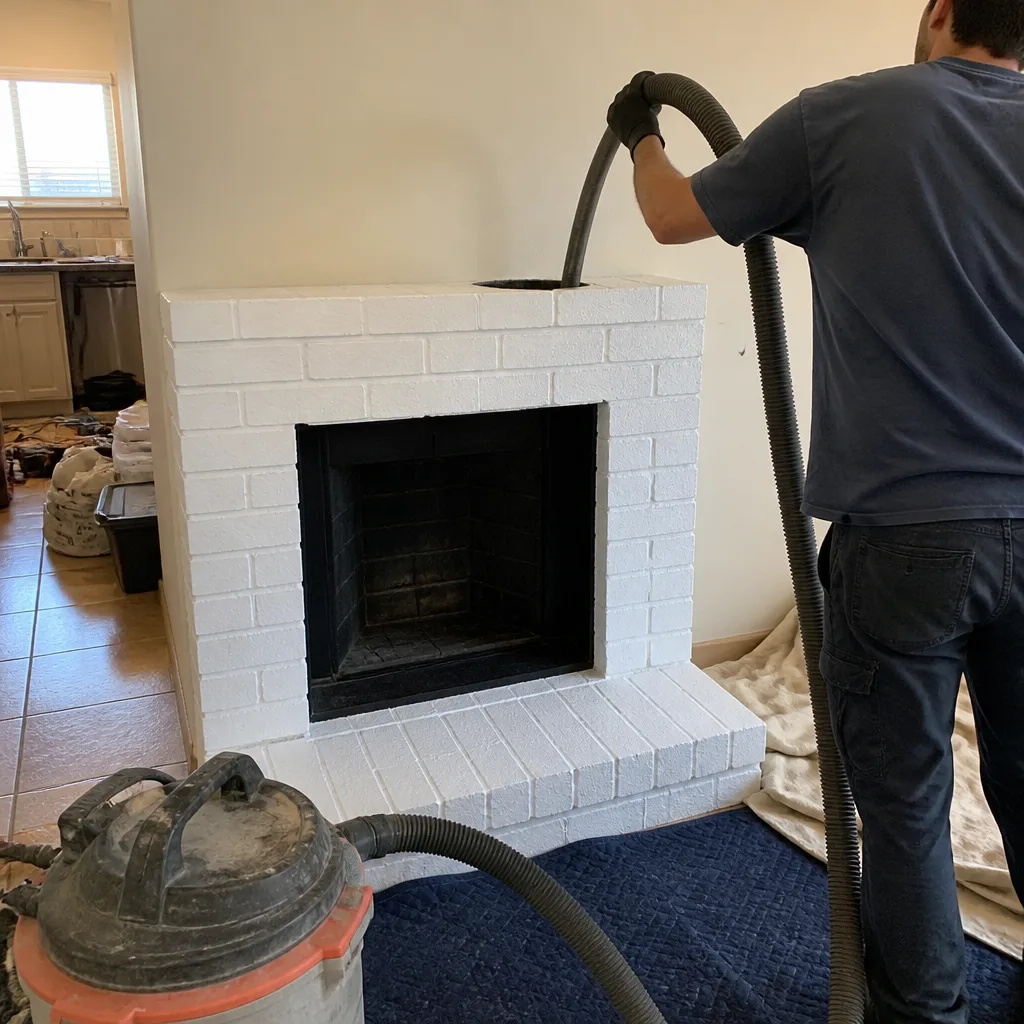
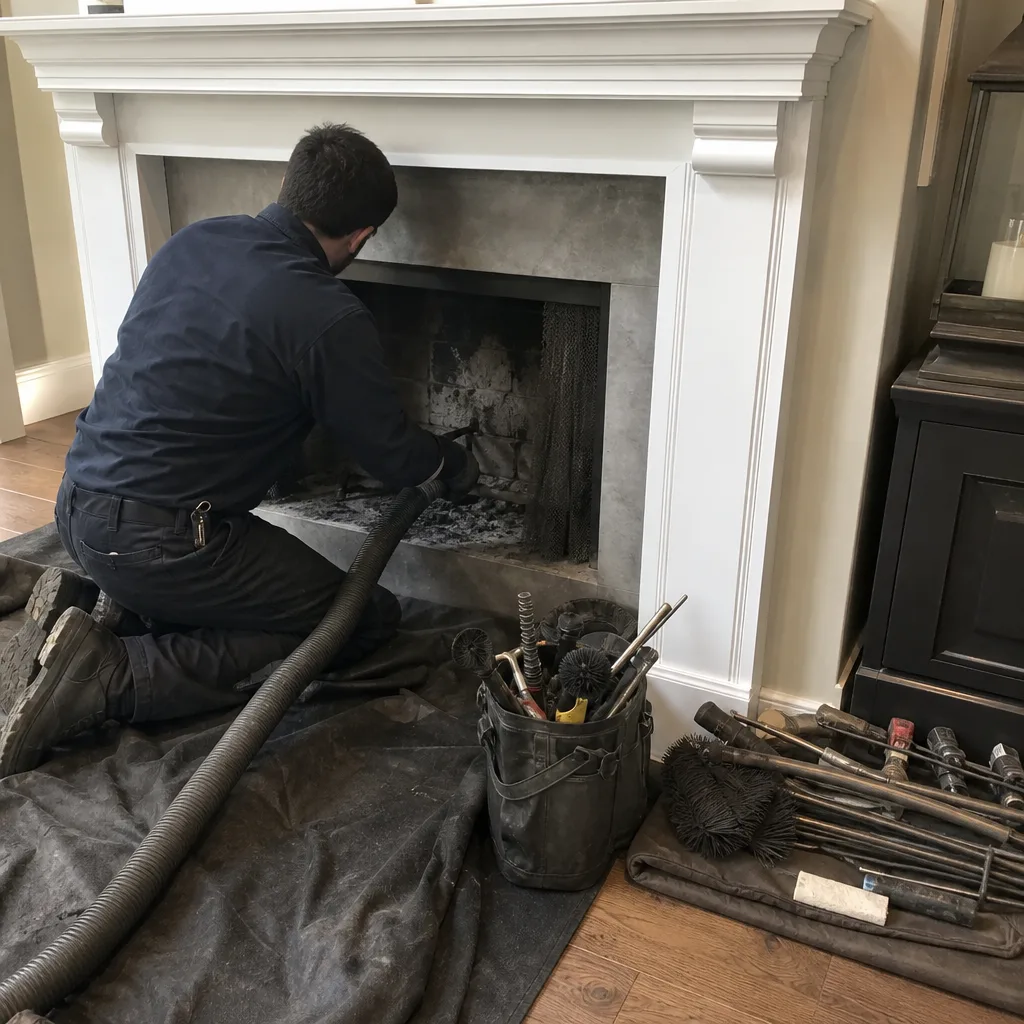
Level 1 sweep and inspection to the NFPA 211 annual standard - flue, crown, cap, and flashing checked and photographed
Chimney sweep logs do not sweep chimneys. They loosen some creosote - which then falls where a brush and vacuum still have to collect it.
Chimney Cleaning Permits, Codes & Inspections in CA: What You Need to Know
Unpermitted chimney liner replacements are one of the most common undisclosed defects flagged in California home inspections, not because owners were dishonest, but because their contractor never mentioned a permit was required. The owner figured the job was routine maintenance, like changing a filter. The title company sees it differently. This guide separates maintenance from alteration under California code, walks through the permit triggers specific to Los Angeles County and Redondo Beach, and shows you how to verify paperwork before it becomes a title problem or an insurance denial. For Chimney Cleaning Warning Signs: A Redondo Beach Homeowner’s Reference Guide and more, see our blog. If you own a fireplace in the South Bay, this is the stuff that matters after the sweep is done.
Styles & brands we work with
- Sweep & inspection
- Caps & crowns
- Flue relining
- Masonry repair
- Gas fireplace service
Quick Answer
A routine chimney cleaning or sweep in California does not require a permit. However, most repairs revealed during that cleaning, including liner replacement, flue resizing, and structural rebuilding, do require a permit. The distinction is straightforward: maintenance is permit-free, alteration is not, and confusing the two is how unpermitted work ends up attached to your property record.
Table of Contents
- Maintenance vs. Alteration: Where the Permit Line Is
- California Mechanical Code and How It Governs Chimney Work
- Redondo Beach and LA County Local Amendments
- Permit Trigger Points: Which Repairs Cross the Line
- How to Verify a Contractor Actually Pulled Permits
- NFPA 211 Inspection Reports and Insurance Requirements
- Title Search Implications: How Unpermitted Chimney Work Surfaces in South Bay Real Estate
- Common Mistakes to Avoid
- When to Call a Professional
- Frequently Asked Questions
- The Bottom Line
Maintenance vs. Alteration: Where the Permit Line Is
California building departments draw a consistent line: a permit is required when you change, add to, or alter the structure, mechanical system, or use of a building. Cleaning is none of those things. A chimney sweep in Redondo Beach removes creosote and debris from an existing flue. Nothing is installed, removed, modified, or restructured. The California Mechanical Code does not classify cleaning as construction, and no city in LA County requires a permit for it. So your annual or semi-annual sweep is entirely permit-free.
Repair is where it gets nuanced, and nuance is where unpermitted work hides. A minor repair like replacing a damaged cap with the same type and size, or repointing a few loose bricks on the exterior chase, often falls under ordinary repair, which most jurisdictions exempt. But the moment you change a component’s material, size, function, or configuration, you’ve crossed into alteration. The California Mechanical Code considers flue relining, relocating or replacing a fireplace insert, adding a gas log system, or installing a new chimney or vent an alteration requiring permit. Many homeowners are surprised to learn that swapping a clay liner for a stainless liner is an alteration, not a repair, because it changes the system’s thermal and draft characteristics.
This distinction matters far beyond the permit counter. Insurers and title companies do not care what you called the work. They care about what the building department classifies it as. If the work crosses the line and no permit exists, that is a defect, regardless of how well the job was done. In our experience, a surprising number of homes in Redondo Beach have liner work performed in the 1990s and 2000s with no record at the LA County permit portal, and it tends to surface at sale, not during ownership.
California Mechanical Code and How It Governs Chimney Work
The California Mechanical Code (CMC), which appears in Title 24 of the California Code of Regulations, is the primary code governing chimneys, fireplaces, vents, and solid-fuel-burning appliances statewide. It adopts and amends the International Mechanical Code. Sections CM 801 through CM 806 speak directly to chimney construction, sizing, clearances, and connectors. If you’re the kind of person who wants chapter and verse, Chapter 8 is where your flue lives, legally speaking.
Three provisions stand out for homeowners:
- CM 801.16 (Alteration of existing chimneys): Existing chimneys shall not be altered or repaired in a manner that reduces their fire-resistance rating, changes their sizing, or violates clearance-to-combustibles requirements. This is the section that forces a permit for many liner replacements, because the new liner changes the effective flue diameter and draft profile.
- CM 803 (Chimney linings): Masonry chimneys serving solid-fuel appliances must be lined. If a chimney is unlined or has a compromised liner, code requires correction before continued use. This is where HeatShield and similar resurfacing systems enter the picture. The code doesn’t mandate a specific material, but it does require the lining to be continuous, correctly sized, and rated for the flue gas temperature.
- CM 804 (Connectors): The stovepipe or connector between an appliance and the chimney must be approved material with clearances and fastening specified. A DIY connector replacement with non-listed stovepipe is a code violation and a common fire cause.
What the CMC does not do is require a cleaning. It also does not prescribe sweeping frequency. That falls to NFPA 211, the National Fire Protection Association standard for chimneys and fireplaces, and to manufacturer instructions for factory-built fireplaces. The CMC tells you what must be true about your chimney. NFPA 211 tells you how to keep it that way.
Understanding this distinction helps you read your own inspection report. When a technician writes that the flue does not meet CM 801.16, that is not a cleaning recommendation. That is a code-compliance issue, and code-compliance issues are permit territory. A Chimney Sweep Redondo Beach home inspection report that flags code deficiencies should be read as a permit trigger, not a maintenance note.
Redondo Beach and LA County Local Amendments
Redondo Beach lies within Los Angeles County, but the city operates its own building and safety division and enforces its own amended codes. The city adopts the California Mechanical Code with local technical amendments, and the practical effect is that Redondo Beach code enforcement follows state code closely, with some added documentation and inspection steps. If you live in the city, you are dealing with the Redondo Beach Building & Safety Division. If you live in an unincorporated area nearby, you deal with LA County Building & Safety. Either way, the underlying permit trigger rules are essentially identical.
A few Redondo Beach-specific realities worth knowing:
- Redondo Beach requires a permit for any mechanical work where a component is installed, replaced, or altered, which includes fireplace inserts, gas log conversion kits, chimney liners, and flue relining. The city does not have a separate chimney permit category, it falls under the mechanical permit umbrella.
- The city is a coastal climate zone. Salt air accelerates rust on exposed metal components such as caps, chase covers, and external dampers. This is why Redondo Beach homeowners replace chase covers and caps more frequently than inland homeowners, and why using marine-grade or properly coated products matters, rather than a generic box-store cap.
- Because Redondo Beach housing stock includes a lot of 1920s through 1960s masonry chimneys, original clay liners are often cracked or spalled. Older beach cottages and hillside homes also have creative construction histories, meaning chimney clearances and framing around chases do not always match modern code expectations. A permit inspection sometimes opens the door to additional corrections, which is a reason some contractors quietly avoid pulling permits, and precisely the reason you should insist on them.
We have also seen that Redondo Beach inspectors are consistent about requiring a permit for any fireplace insert that changes the opening size or installs a new flue collar, even when the homeowner believes it is a straightforward appliance swap. If in doubt, call the building division and ask before work begins. The city counter staff are generally helpful and a five-minute question can save a five-figure title problem later.
Permit Trigger Points: Which Repairs Cross the Line
Here is where we get specific, because the question is usually not whether a permit is required in the abstract, but whether your particular repair is one. The following list covers the repair types we see most often in Redondo Beach, with the permit status for each.
- Chimney cleaning and sweeping: No permit required. This is preventive maintenance. It includes brush sweeping, rotary cleaning, creosote removal, and standard Level 1 inspections.
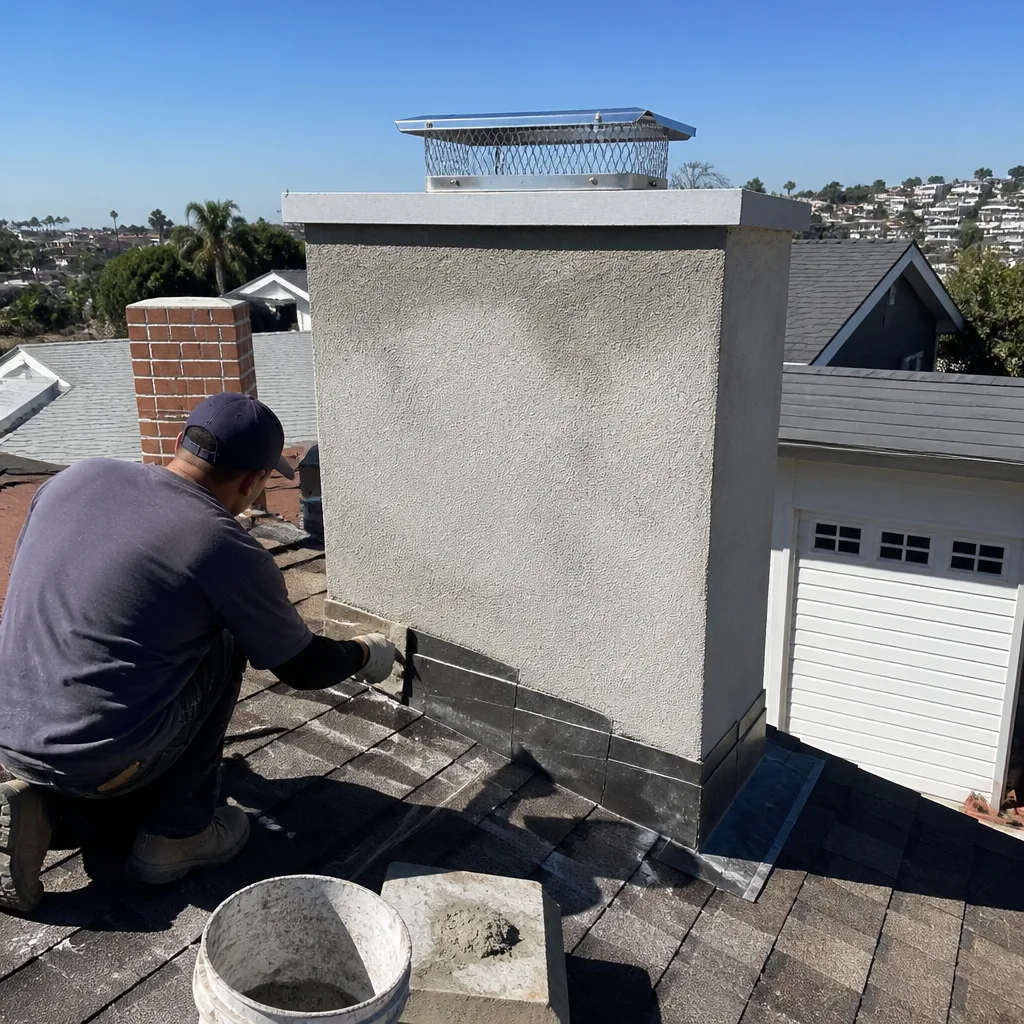
- Chimney cap replacement (same type, same size): Generally no permit. Replacing a rusted cap with a new cap of the same footprint and material type is an ordinary repair. However, if the replacement changes the cap style in a way that alters draft or spark arrestor configuration, some inspectors will treat it as an alteration. We use Gelco and Olympia Chimney caps because they are engineered to original specs, which keeps this an ordinary repair rather than a modification.
- Chase cover fabrication and replacement: No permit in most cases. A chase cover is a protective component, not a mechanical or structural one, provided the chase itself is untouched.
- Clay liner repair or stainless liner installation: Permit required. Replacing or resurfacing a flue liner is the most common unpermitted chimney repair in the state. The work changes the flue cross-section, draft characteristics, and fire resistance profile. In Redondo Beach, this is a mechanical alteration, full stop.
- HeatShield resurfacing or liner restoration: Permit typically required, depending on scope. HeatShield restores existing flue tiles by applying a ceramic coating that returns the liner to a continuous, code-compliant surface. Since it is a liner restoration method, it falls under the same alteration logic as a new liner. We advise homeowners to check with the city even for liner restoration, because the method changes the flue’s thermal and conditional rating.
- Fireplace insert installation: Permit required. This is an appliance installation and the city treats it as such. It involves new connectors, clearances, and often a new liner. The permit also documents the appliance’s listing for your insurance carrier.
- Gas log set conversion: Permit required if the conversion involves plumbing or new gas line work. A simple log set placed on an existing gas line may not need one, but the moment gas piping is added, extended, or reconfigured, the mechanical permit enters the conversation.
- Chimney rebuild or structural repointing: Permit required. Full or partial rebuilds are structural work, and Redondo Beach requires a building permit with a structural inspection.
The governing logic is repeatable. If the work is restorative, like cleaning or same-spec component replacement, it is maintenance. If it changes the system, it is alteration. And California, like most states, is strict about unpermitted alterations because they affect insurance risk and property valuation. The homeowner who understands this line is the one who never gets surprised at the closing table.
How to Verify a Contractor Actually Pulled Permits
Permit verification should feel routine, not suspicious. The correct time to verify is before you write the final check, not when a real estate attorney calls. Los Angeles County and Redondo Beach both maintain online permit portals that make this a five-minute process. Here is the step-by-step method we recommend to every client who is having liner work or insert installation performed.
- Ask for the permit number before work begins. The contractor should apply for the permit after you’ve signed the contract but before any demolition or installation. You should see the number in writing. If the contractor tells you a permit is not needed and you believe the work crosses the line, pause the job and call the city yourself.
- Check the LA County permit portal or the Redondo Beach Building & Safety portal. Both systems are searchable by address. Search your own address, not the contractor’s name. The permit should be tied to the property, and that is exactly how you will find it.
- Confirm the scope description matches the work. The permit record should describe the work: chimney liner replacement, fireplace insert installation, or flue modification. A permit that says “general mechanical” with an unrelated scope is not covering your chimney work.
- Confirm the contractor’s name and license number appear on the record. The permit is issued to the licensed contractor performing the work. If the record shows a different company or an unlicensed individual, stop and ask questions.
- Verify the final inspection was signed off. A permit that is issued but never finaled is an open item. In Redondo Beach, an un-finaled permit shows up on title and creates almost as much trouble as no permit at all. Request the final inspection sign-off before paying the balance.
This process is not distrustful. It is how informed owners behave. In our experience, legitimate contractors welcome the verification, and contractors who push back on permit checks are usually revealing something about how they do business. The Chimney Sweep in Redondo Beach teams we know in the area operate the same way they would want a contractor to operate on their own homes.
NFPA 211 Inspection Reports and Insurance Requirements
NFPA 211 is the national standard for chimneys, fireplaces, vents, and solid-fuel-burning appliances. It defines three levels of chimney inspection, and it is the standard most insurance carriers reference when they ask for documentation of chimney condition. Understanding what an inspection report is, and what it can and cannot do for you, prevents a paperwork headache after a claim.
- Level 1 inspection: The standard annual inspection. It covers the readily accessible portions of the chimney, confirms basic soundness, and checks for creosote buildup. A Level 1 is appropriate when you are using the chimney as you always have, with no changes.
- Level 2 inspection: Required when you buy or sell a home, after a chimney fire, after an earthquake, or when you change the appliance or fuel type. It includes video scanning of the flue interior and inspection of accessible attic and crawl space areas. This is the inspection that reveals hidden liner damage.
- Level 3 inspection: The most invasive. It is triggered when a Level 2 inspection reveals a suspected hazard and requires accessing concealed areas. Level 3 inspections can involve removing portions of the chimney or surrounding structure.
An NFPA 211 report is not a permit. It does not satisfy a building department’s requirement for a mechanical permit, and it does not replace a final inspection sign-off. What it does is document condition in a standardized way that insurers recognize. After a chimney fire, most carriers will ask for a Level 2 inspection report regardless of whether any repairs were made. They want confirmation that the flue was evaluated and either cleared or repaired.
The report should list what was inspected, what was found, what level of inspection was performed, and the technician’s certification. In Redondo Beach, where salt air accelerates exterior component wear, we recommend a Level 2 inspection with video documentation any time the home changes hands. The video is especially useful because it gives you proof of the liner’s condition at a specific point in time, which is information you can hand to an insurer or a buyer. If repairs are needed, use that same video as the basis for the repair quote. We have found this documentation habit eliminates most disputes about whether work was actually needed.
Title Search Implications: How Unpermitted Chimney Work Surfaces in South Bay Real Estate
Unpermitted work does not stay hidden forever. In California real estate transactions, the seller completes a Transfer Disclosure Statement and a supplemental questionnaire that asks specifically about alterations, additions, and repairs made during ownership. Lying on these forms is fraud, and contractors who told you no permit was needed will not be the ones answering the questions at closing.
The mechanics of how unpermitted chimney work surfaces during a title search or sale:
- Appraisal and home inspection: A home inspector in Redondo Beach will often note a newer stainless liner or a professionally installed insert. Buyers and their agents then ask whether permits were pulled for the work. If the answer is no, the buyer has leverage.
- Buyer’s due diligence: Sophisticated South Bay buyers and agents routinely check the city’s online permit records for the property’s address. The absence of a permit for visible work is a negotiation point, and in some cases a deal killer.
- Lender requirements: FHA, VA, and conventional lenders are increasingly strict about unpermitted additions and alterations. A fireplace insert installed without a permit is a mechanical alteration, and some underwriters will condition loan approval on resolving the permitting retroactively.
- Title insurance: A standard title policy does not protect the buyer from unpermitted work, and it does not protect the seller from a subsequent claim that they failed to disclose it. Buyers can, and do, pursue sellers for undisclosed conditions that affect value or insurability.
- Retroactive permitting: It is often possible to legalize unpermitted work after the fact, but it is more expensive than doing it right the first time. Retroactive permits require opening walls or flues for inspection, sometimes correcting code violations that are discovered during the process, and paying double fees in some municipalities. In Redondo Beach, the process is manageable but not trivial.
Here is the frustrating part we see repeatedly: the original repair was good work. The liner was correctly installed. The insert was properly vented. But because no permit was pulled, the work cannot be verified, and unverifiable work is treated as suspect in a transaction. Your $4,000 liner replacement becomes a $2,000 retroactive permit project, or worse, a basis for the buyer to demand a price reduction. The permit is not bureaucratic overhead. It is the documentation that preserves the value of the work.
Common Mistakes to Avoid
- Assuming all chimney work is the same. Cleaning, repair, and alteration are three separate legal categories. A contractor who treats them as interchangeable is not managing your liability.
- Trusting a verbal assurance that no permit is needed. The building department determines permit requirements, not the contractor. If the work crosses the line, it is your property, your title, and your insurance on the hook.
- Skipping the final inspection because the work looks done. An open permit is an open title item. The final inspection is the part that closes the loop.
- Paying in full before the permit is finaled. Final payment should follow documented final inspection sign-off. That is standard practice and a reasonable contract term.
- Using a sweep-only company for liner restoration. Liner work, including HeatShield restoration, requires repair competence and the right products. A company that only sweeps may not have the installation capabilities or the brand relationships the job requires.
- Treating the dryer vent as a separate issue. Your chimney and your dryer vent are both fire-hazard sources. The code and permit conversation applies to both, and a professional who services both is seeing the whole picture of your home’s ventilation health. We offer Dryer Vent Cleaning in Redondo Beach alongside chimney service for exactly this reason.
- Waiting until the sale to discover the permit gap. The worst time to learn that your liner replacement was unpermitted is when a buyer’s agent is asking for the permit number. Verify your own address’s permit history now, especially if you own an older Redondo Beach home with prior chimney work.
When to Call a Professional
Call a professional any time the work touches the flue interior, the firebox, the connector, or the structural chase. If a cleaning reveals cracked tiles, spalled masonry, a rusted damper, or a liner that is no longer continuous, that is not a maintenance question anymore. That is a decision about restoration or repair, and it deserves an expert with the right product lines and the willingness to do the permit work correctly. The same applies when you see rust stains on the exterior, water in the firebox, or if you have never had a video inspection and own an older home. And do not forget the dryer vent, which runs through wall cavities and is a leading source of house fires. We use Famco components in dryer vent work because they are designed for the full cap-to-wall system, not just the duct. Chimney Sweep Redondo Beach offers free estimates in Redondo Beach. Call (866) 632-1088 to schedule an inspection or discuss a repair with someone who knows Redondo Beach code expectations.
Frequently Asked Questions
No, a routine chimney cleaning or sweep does not require a permit anywhere in California, including Redondo Beach. Cleaning is classified as maintenance, not construction. The line is crossed when a repair alters the flue, firebox, or appliance configuration.
A standard chimney sweep in Redondo Beach typically runs between $180 and $400, depending on the level of inspection, the condition of the flue, and whether video scanning is included. Call (866) 632-1088 for an exact quote. Estimates are free.
Yes. Replacing or resurfacing a flue liner is classified as an alteration under the California Mechanical Code and requires a mechanical permit. This includes stainless liner installations and HeatShield restoration work. Unpermitted liner replacements are among the most common defects found during South Bay home inspections.
A permit is a city-issued authorization for construction or alteration, with a final inspection sign-off. An NFPA 211 report documents chimney condition using a standardized three-level system. The report satisfies insurer documentation needs but does not replace a permit. The two serve different legal functions.
NFPA 211 recommends an annual inspection, with sweeping performed when creosote accumulation reaches 1/8 inch or when the inspection reveals blockages or deterioration. Ocean air and salt exposure in Redondo Beach can accelerate component wear, so annual inspections are prudent even for occasional fireplace users.
Delayed repairs compound. Cracked liners allow heat and combustion gases to reach combustible framing, and water intrusion through spalled masonry accelerates damage to surrounding structure. Chimney fires and carbon monoxide exposure are the two immediate risks. For a free professional evaluation, call (866) 632-1088.
First, verify what was done. Have a Level 2 video inspection to document the current condition. Then call the city building division to ask about retroactive permitting for the specific scope of work. It is often manageable, especially if the work was done to code. The longer it goes unrecognized, the more it costs at sale.
The Bottom Line
Cleaning is maintenance and needs no permit. Repair and alteration are a different matter, and California code, Redondo Beach enforcement, and South Bay real estate practice all converge on the same message: liner work, insert installation, and structural repair belong on the record. The permit is not for the city’s benefit. It is your documentation that the work was done correctly, your insurance carrier’s evidence of code compliance, and your buyer’s assurance that nothing is hidden. Ask questions, verify permits, insist on final inspections, and hire a contractor who treats the paperwork as professionally as the repair. For expert chimney and dryer vent service in Redondo Beach, call (866) 632-1088 or visit our Chimney Repair in Redondo Beach page to learn more.
Written by the team at Chimney Sweep Redondo Beach, serving Redondo Beach since 2017. Find more guides & resources on our blog.
See the difference
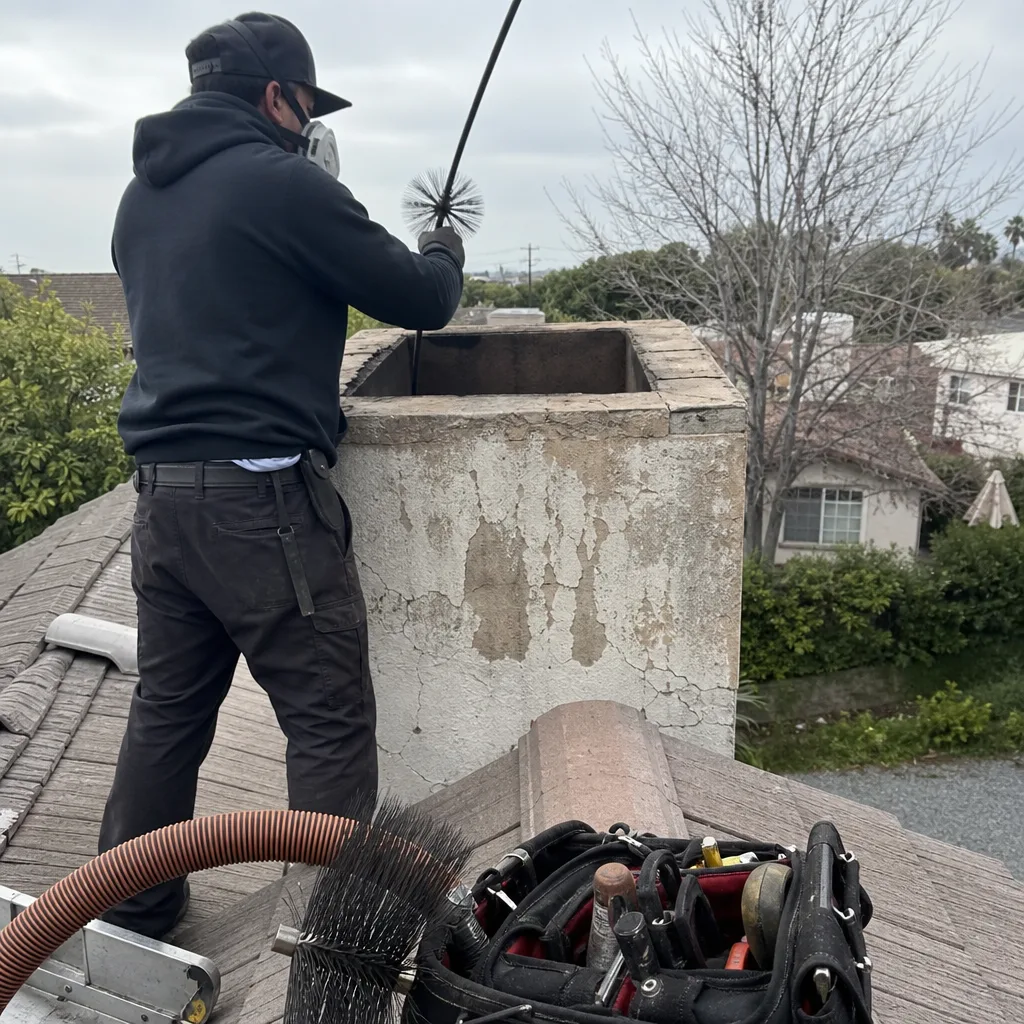 Before
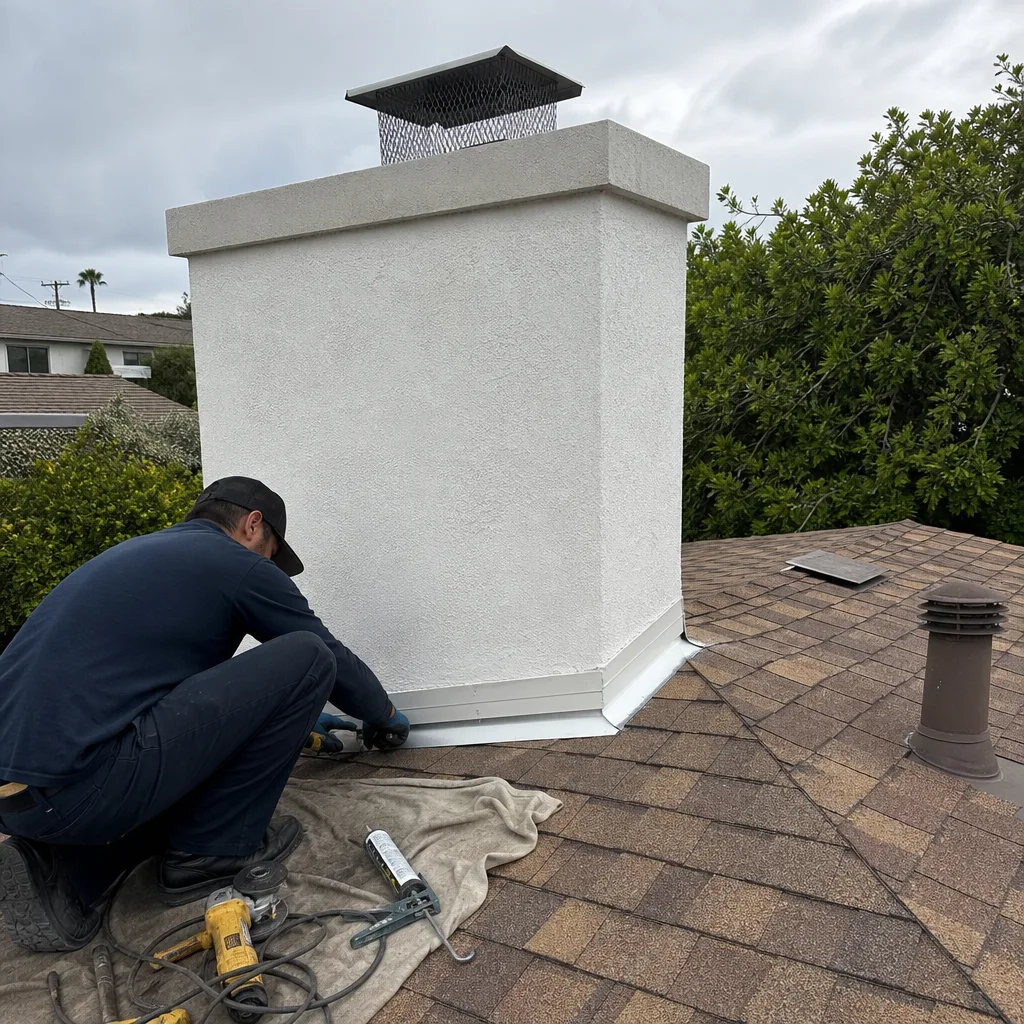 After
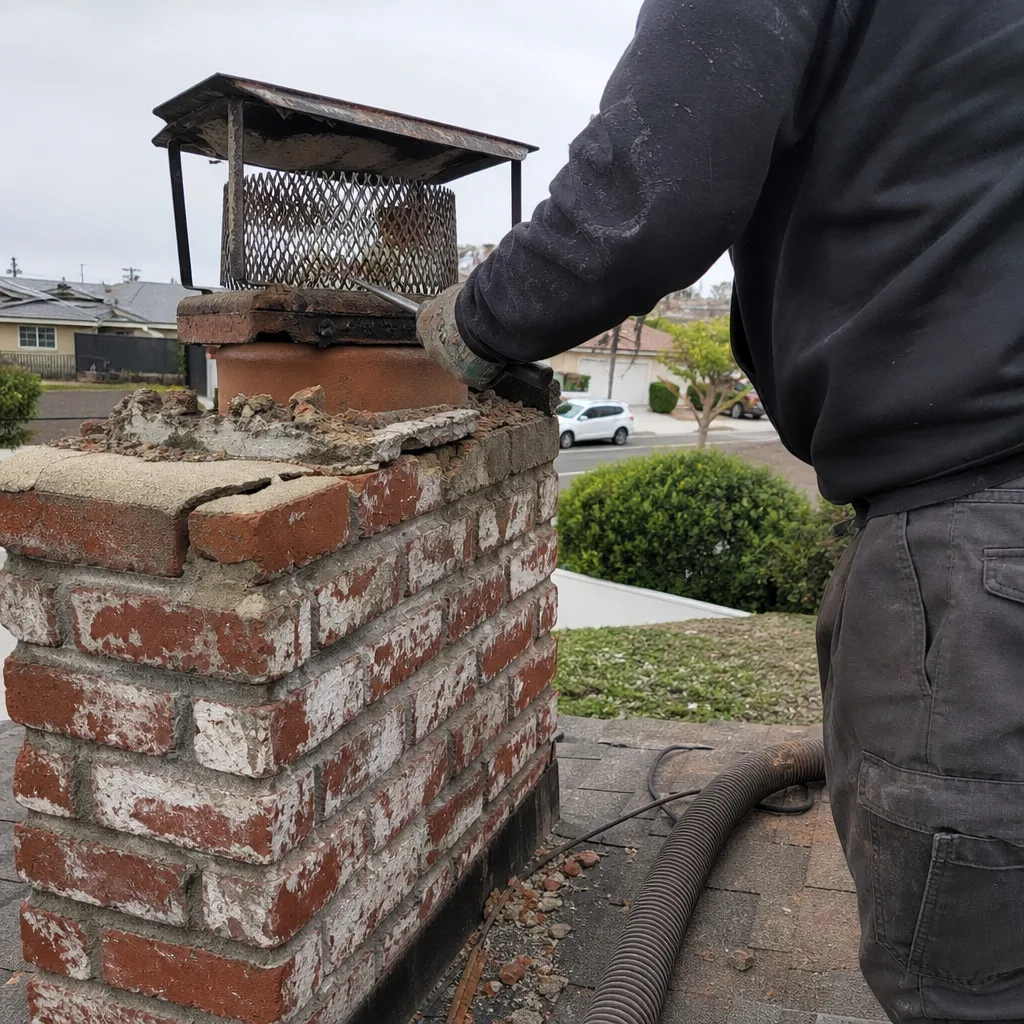 Before
 After
 Before
 After