
Last updated November 2, 2026
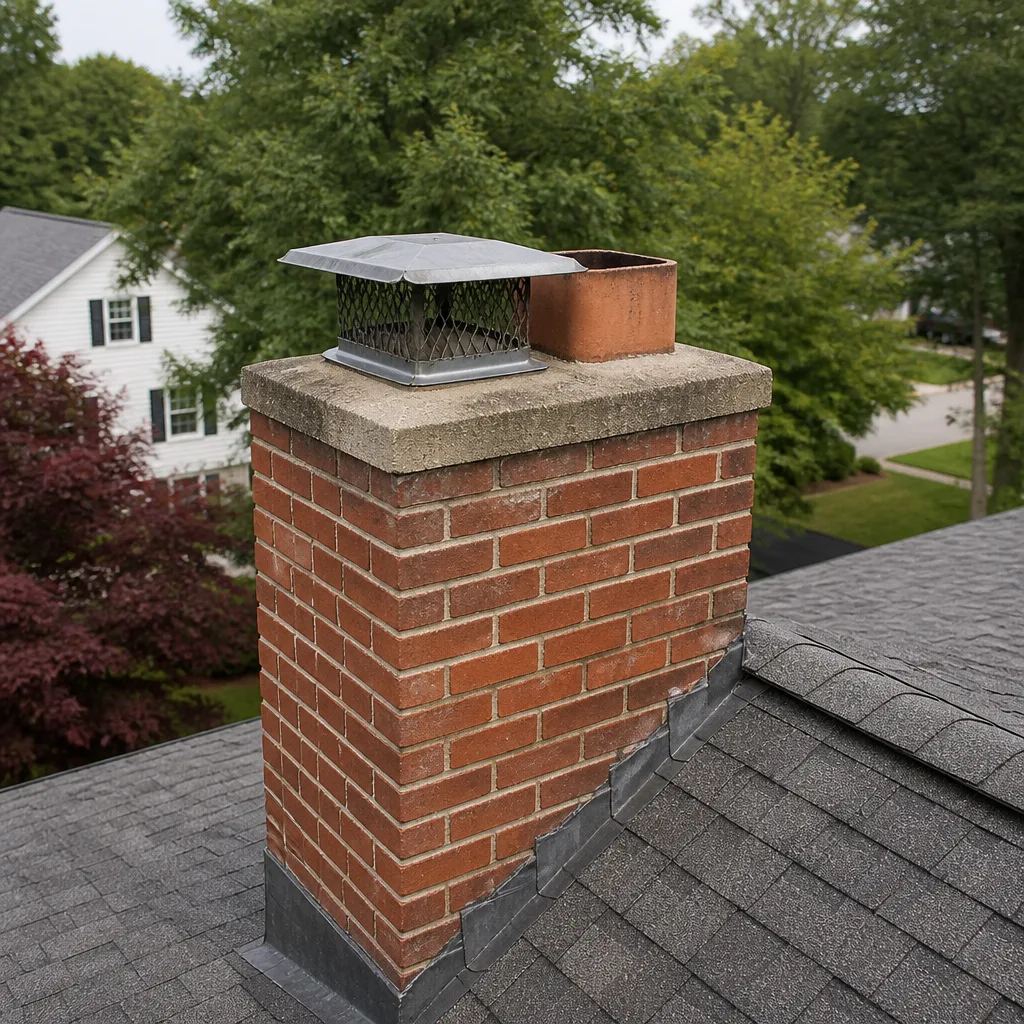 Sweep & inspection
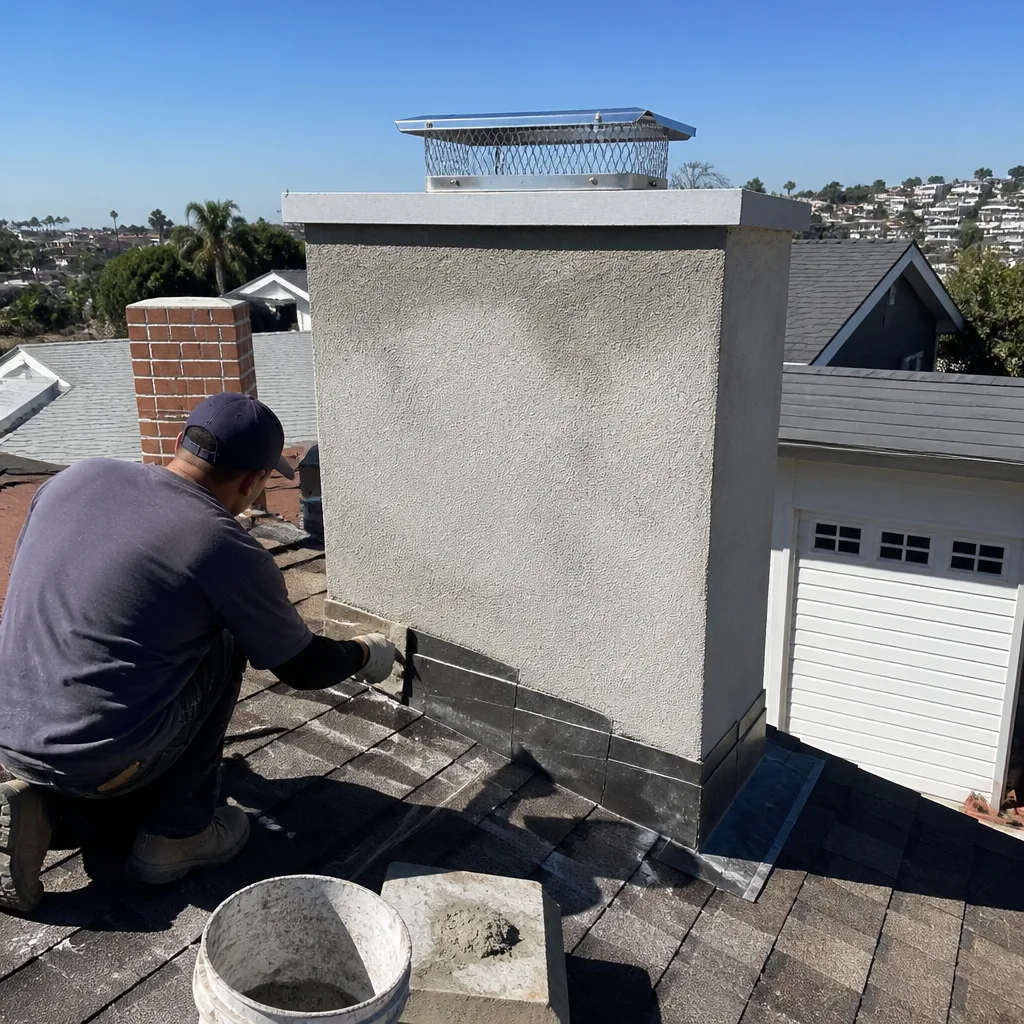
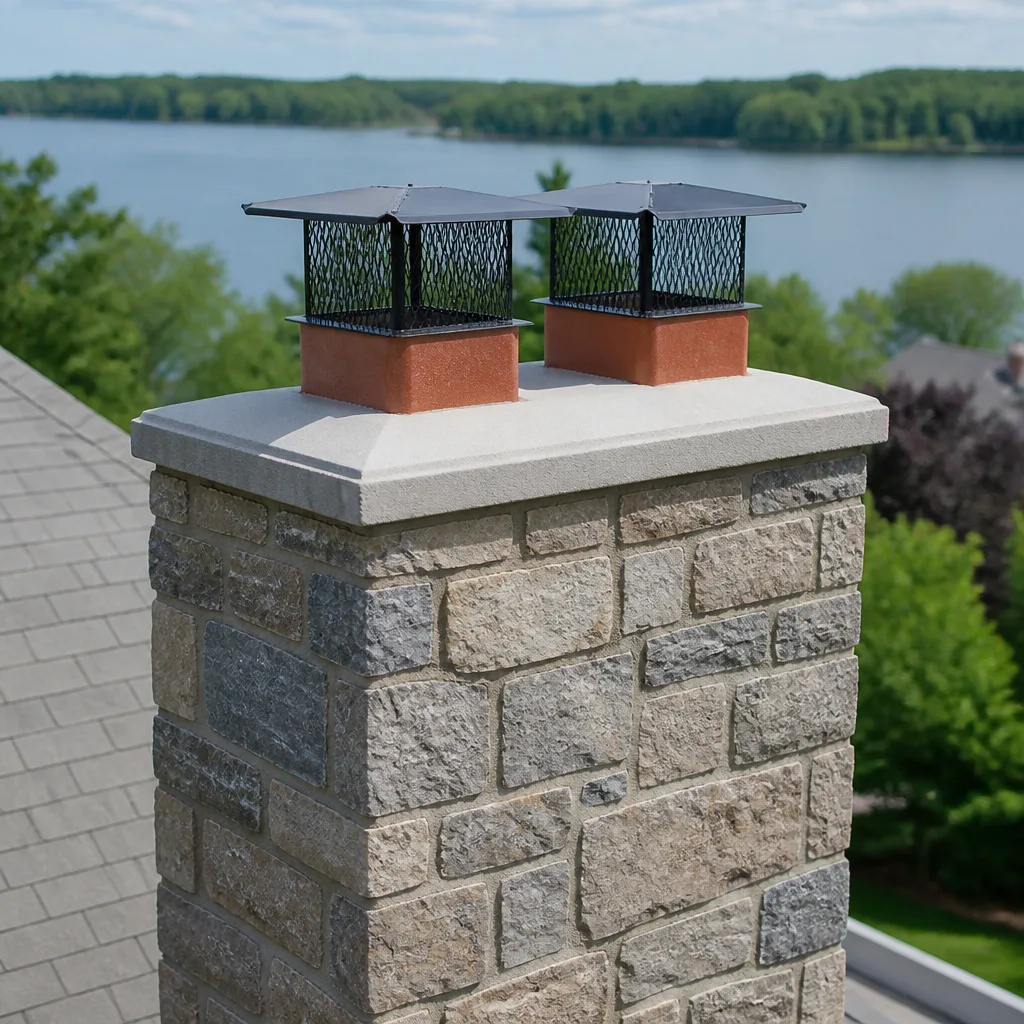 Caps & crowns
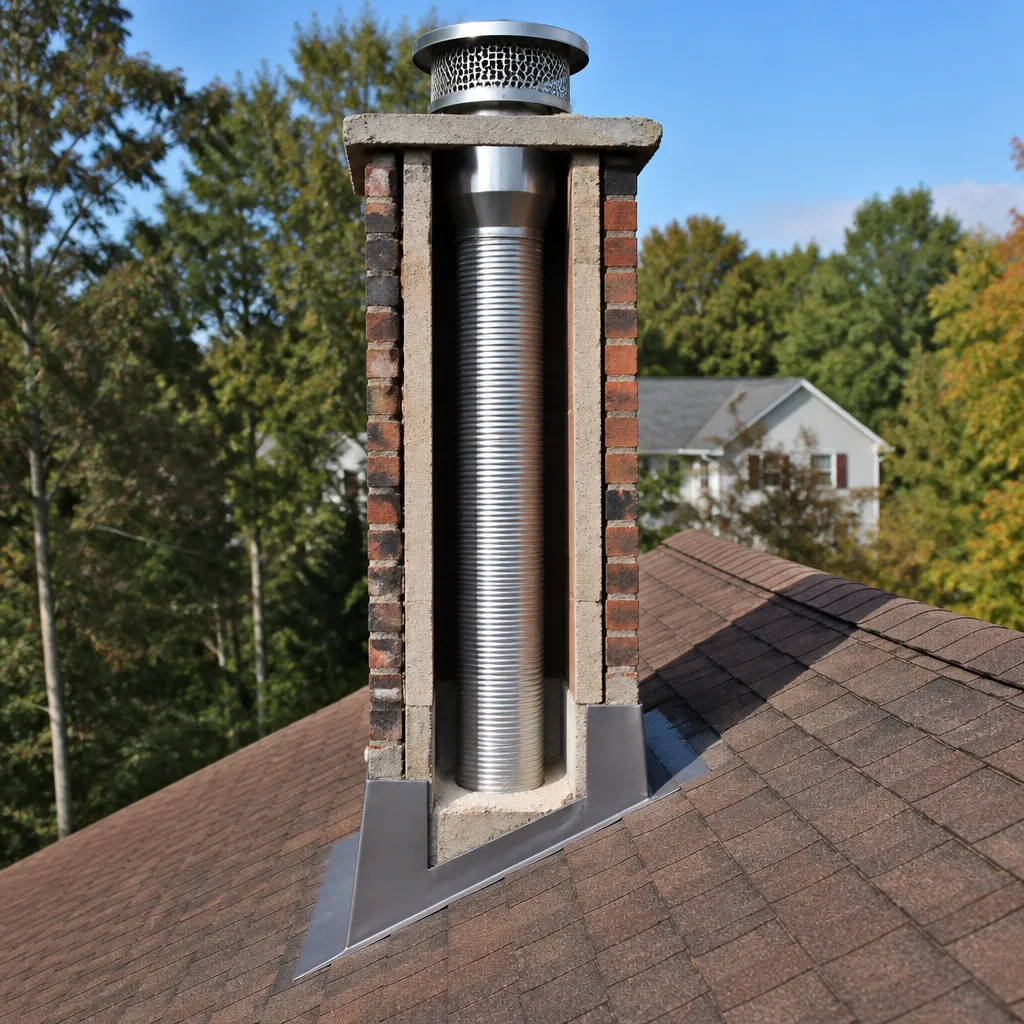 Flue relining
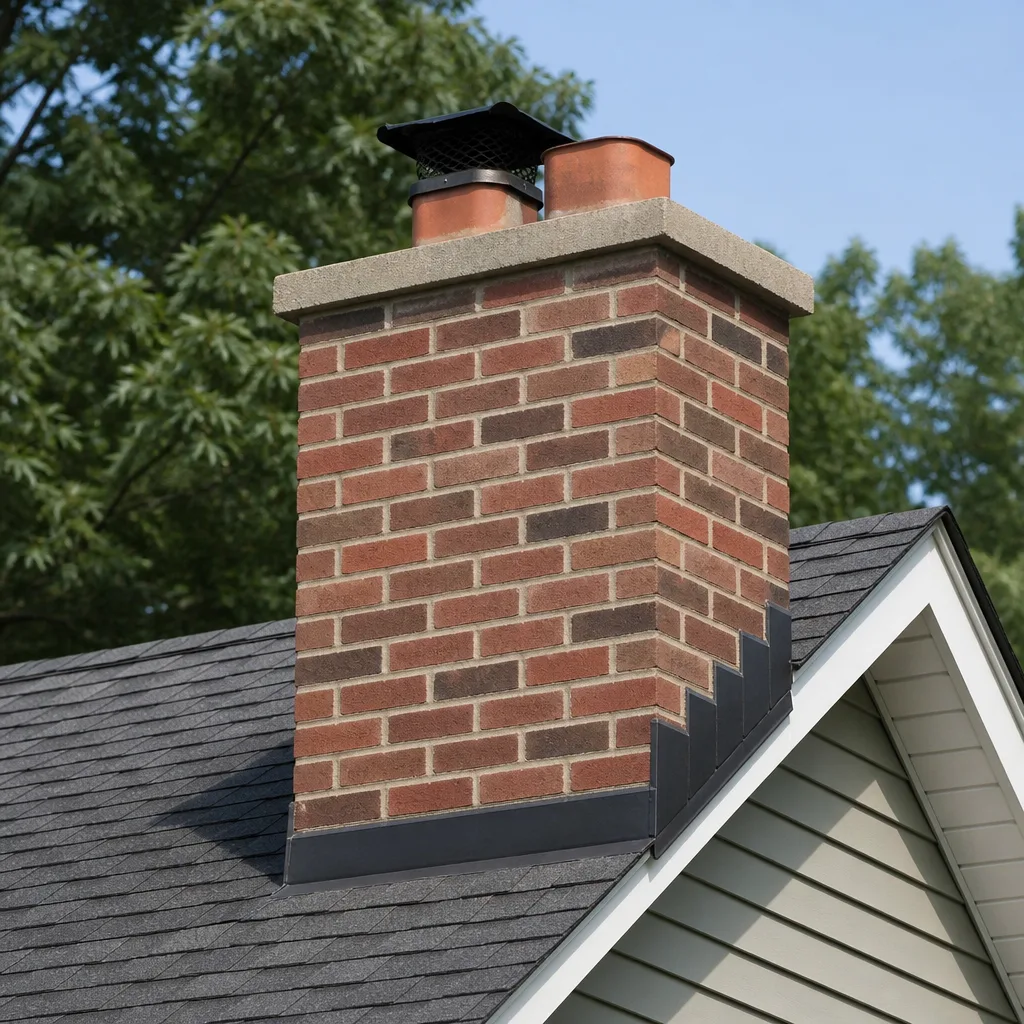 Masonry repair
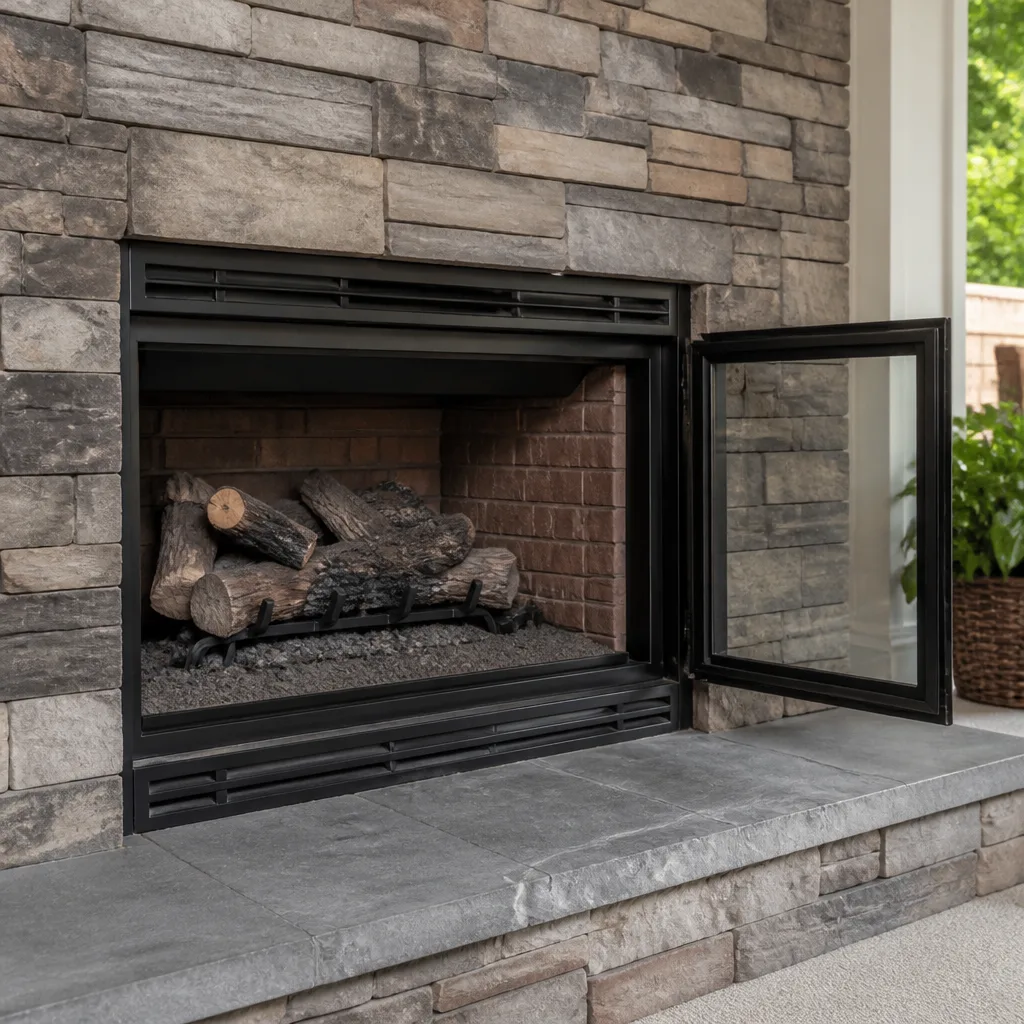 Gas fireplace service
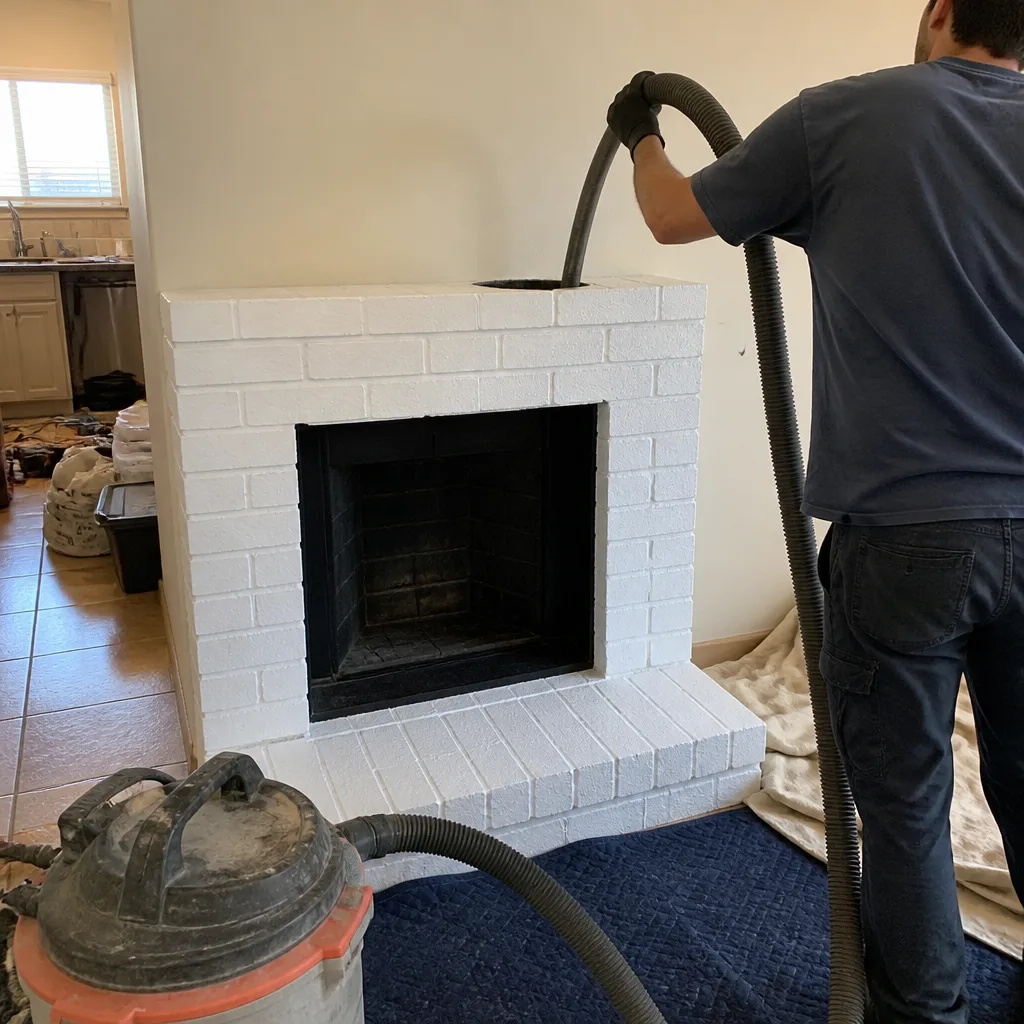
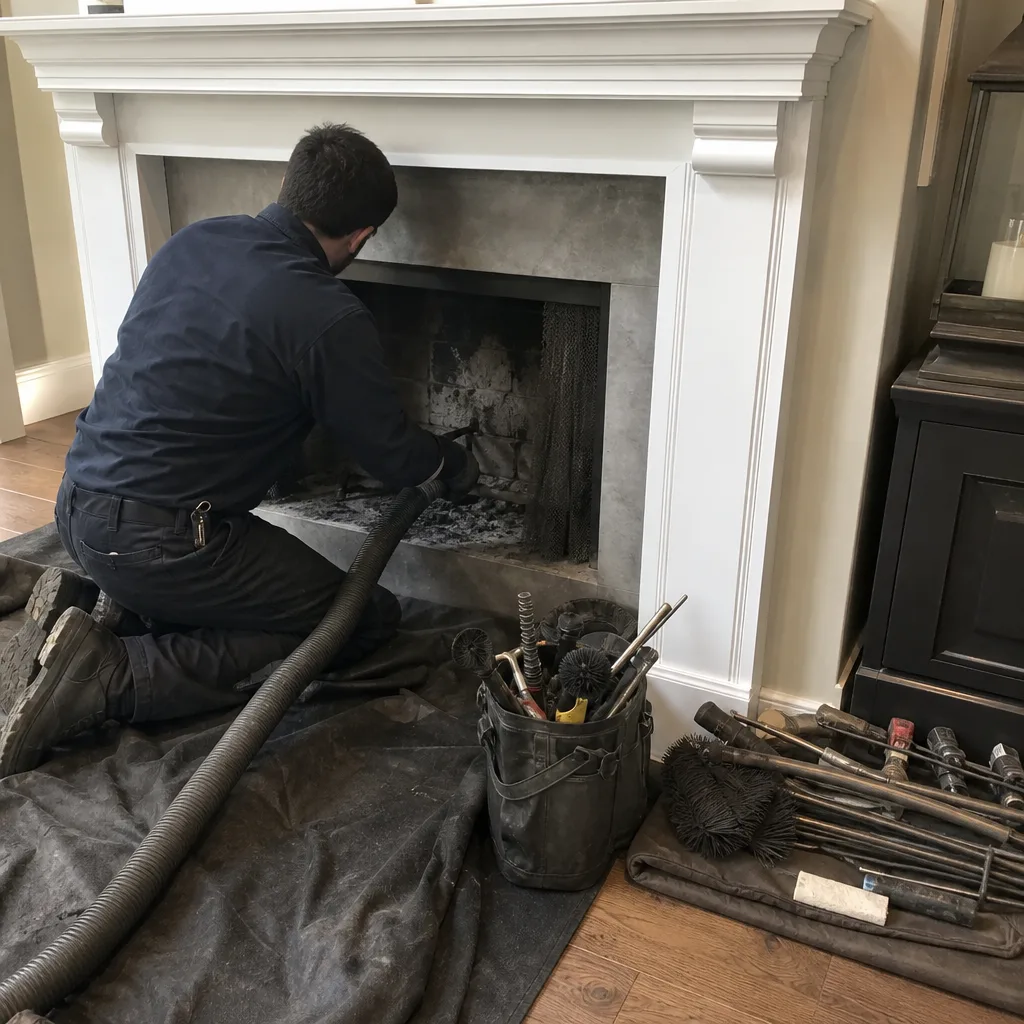
Level 1 sweep and inspection to the NFPA 211 annual standard - flue, crown, cap, and flashing checked and photographed
Chimney sweep logs do not sweep chimneys. They loosen some creosote - which then falls where a brush and vacuum still have to collect it.
Chimney Cleaning Emergency Preparedness Guide for Redondo Beach Homes
The most dangerous moment for a Redondo Beach chimney isn’t during a fire. It’s the first fire of the season after 14 months of salt-air exposure and coastal moisture sitting in an uninspected flue. That combination, creosote that has absorbed marine humidity plus a cold snap that finally pushes you to light the first log, is the precise recipe for the emergencies we see most often in the South Bay. This guide walks you through the three emergencies that actually happen here, what to do in the critical hours before a professional can reach you, and the preparation steps that make a bad situation manageable instead of catastrophic. For ongoing maintenance between emergencies, see our Chimney Sweep Maintenance Checklist for Redondo Beach Homeowners.
Styles & brands we work with
- Sweep & inspection
- Caps & crowns
- Flue relining
- Masonry repair
- Gas fireplace service
Quick Answer
A chimney emergency in Redondo Beach usually means one of three things: a chimney fire (loud roaring, shaking, dense smoke), carbon monoxide backdraft (headaches, nausea, soot staining around the fireplace opening), or sudden liner collapse (debris falling into the firebox, visible cracks). For a chimney fire, close the damper and air inlets if you can do so safely, evacuate, and call 911. For backdraft symptoms, open windows, shut down the appliance, and get outside before calling a professional. For liner collapse, stop using the fireplace immediately and schedule an inspection before the next burn.
Table of Contents
- The Three Chimney Emergencies That Actually Happen in Redondo Beach
- Chimney Fire: What It Looks Like and What to Do in the First Five Minutes
- Carbon Monoxide Backdraft: The Silent Emergency
- Sudden Liner Collapse: Recognizing Structural Failure Early
- What to Have on Hand Before an Emergency
- Managing a Smoking Fireplace That Won’t Draft: Safe Temporary Fixes
- Post-Emergency Protocol: The Inspection Sequence Before You Relight
- Why Redondo Beach’s Climate Makes Chimney Maintenance Different
- Common Mistakes to Avoid
- When to Call a Professional
- Frequently Asked Questions
- The Bottom Line
The Three Chimney Emergencies That Actually Happen in Redondo Beach
Most chimney emergency guides read like they were written for a cabin in rural Vermont. Redondo Beach has its own specific risk profile, shaped by marine air, salt, and seasonal use patterns. In our experience, homeowners here face three distinct emergency scenarios, and each presents differently enough that knowing the difference matters for the response.
The first is the chimney fire. This is the one people picture when they hear “chimney emergency,” and for good reason: creosote ignites at around 1,000°F, and a flue fire can reach 2,000°F in under a minute. In Redondo Beach, the risk multiplier is moisture. Creosote that would flake away harmlessly in a dry climate instead absorbs coastal humidity and hardens into a glaze. That glazed creosote is denser, stickier, and far more flammable than the powdery kind.
The second is carbon monoxide backdraft. This one gets less attention but is statistically more dangerous, because you can’t see it and the symptoms mimic a cold or mild food poisoning. Backdraft happens when the flue fails to draw combustion gases upward, usually due to a blockage, negative air pressure in a tightly sealed home, or a damaged liner that disrupts the draft. The gases spill into the living space instead.
The third is sudden liner collapse. Clay tile liners, common in older Redondo Beach homes built before the 1980s, crack under repeated thermal stress. Add salt-air corrosion to the mortar joints, and a liner that looked fine during the last inspection can fail catastrophically during a hot fire, sending tile fragments down into the smoke shelf or firebox. If you hear a distinct clattering during a fire or find chunks of terra cotta in the ash afterwards, that’s not normal settling. That’s structural failure.
Each of these emergencies demands a different immediate response. The next three sections break them down step by step.
Chimney Fire: What It Looks Like and What to Do in the First Five Minutes
A chimney fire announces itself. The signs are loud and specific: a roaring sound like a freight train or a low-flying jet coming from the flue, dense smoke pushing out of the chimney top in thick, dark clouds, and sometimes visible flames shooting from the top of the chimney. If you’re standing near the fireplace, you may feel the wall around it radiating unusual heat, and the damper or firebox may vibrate.
If you suspect a chimney fire, the first five minutes matter. Here is the sequence, in order:
- Close the damper if you can do so without burning yourself. This cuts off the fire’s oxygen supply. Do not reach into the firebox. Use the damper handle or lever only.
- Close any air inlets or glass doors on the fireplace. The goal is to starve the fire of oxygen from inside the house. Do not open windows near the fireplace, no matter how smoky it gets inside. Fresh oxygen feeds the fire.
- Evacuate everyone from the home. Do not collect belongings. Do not try to save the chimney. Get out.
- Call 911 from outside. Report a chimney fire, even if it seems to be settling down. Chimney fires can reignite inside the flue or spread to the attic through mortar cracks you can’t see.
- Do not use water. Throwing water on a chimney fire can turn trapped steam into shrapnel inside the flue and crack hot masonry. It also does nothing to address fire burning higher in the chimney.
What not to do is just as important. Do not close all the windows and doors thinking you’re containing the fire; this can force smoke and flames to seek alternative exits, including through wall cavities. Do not use a dry chemical fire extinguisher into the fireplace; the force of the discharge can spread burning creosote. Do not go onto the roof with a garden hose. A chimney fire in Redondo Beach is a firefighter’s job, not a homeowner’s.
Carbon Monoxide Backdraft: The Silent Emergency
Carbon monoxide backdraft is the emergency that rarely gets a dramatic call to 911, because the people affected are often too disoriented to recognize what’s happening. That’s what makes it more dangerous than a chimney fire in some ways. The symptoms are subtle: headache, nausea, dizziness, confusion, a general sense of malaise that clears up when you leave the house and returns when you come back in.
Backdraft in Redondo Beach homes is often tied to two local factors. The first is tight building envelopes. Many South Bay homes have been remodeled with new windows and added insulation, which reduces natural air infiltration. A fireplace draws combustion air from the room; if the house is sealed too tightly, the flue can’t get enough air to maintain a proper draft, and gases spill backward. The second factor is a blocked or damaged flue, whether from a bird or rodent nest, creosote buildup, or a cracked liner that breaks the draft.
If you are using a fireplace or gas appliance and notice any of those symptoms, act immediately:
- Open windows and exterior doors to ventilate. This dilutes carbon monoxide in the room and also resets air pressure, which can sometimes break a backdraft cycle.
- Shut down the appliance. Close the damper if it’s a fireplace. Turn off the gas log set or insert.
- Get everyone outside. Do not linger to air out the house yourself. Carbon monoxide binds to hemoglobin about 240 times more readily than oxygen, and prolonged exposure at moderate levels can still cause serious harm.
- Call the gas company or 911 if symptoms are severe. If anyone is confused, has chest pain, or can’t stand, this is a medical emergency, not a maintenance problem.
- Do not relight the appliance until a professional has inspected the flue and confirmed draft is functioning.
Installing a carbon monoxide detector in the same room as the fireplace is the single most effective preparation step you can take. Place it on the wall about 15 feet from the fireplace, not directly above it. Test it monthly during burning season.
Sudden Liner Collapse: Recognizing Structural Failure Early
Liner collapse is the emergency that often masquerades as something less serious, right up until it isn’t. A clay tile liner that’s been cracking for years under thermal cycling will eventually lose its structural integrity, and when a section gives way, the results range from a blocked flue to an exposed chimney wall that can admit fire into the framing.
The early warning signs are specific. If you notice pieces of tile in the firebox after a fire, that is not debris from the wood. If the fireplace suddenly starts smoking when it never did before, that’s a sign the draft is being interrupted, possibly by a shifted liner section. If you can see cracks in the exterior chimney masonry running in a vertical line, especially on the side facing the prevailing ocean winds, that’s a structural warning. And if you hear a clinking or scraping sound when the wind blows across the chimney top, that can indicate loose tile sections moving.
In Redondo Beach, the salt-air factor accelerates this process. The mortar between clay tile sections absorbs moisture from the marine layer, and if the chimney lacks a proper cap, that moisture sits in the joints. When a fire heats the tile, the trapped moisture flashes to steam, expanding and cracking the tile from within. Over years, this micro-fracturing weakens the entire liner stack.
If you suspect liner collapse, stop using the fireplace immediately. A damaged liner is not a maintenance annoyance; it is a fire barrier that has failed. The chimney walls in many Redondo Beach homes are only one layer of brick or masonry block thick, and without an intact liner, there is no secondary containment between the fire and the combustible framing of your house.
Repair options depend on what the inspection finds. If the damage is localized, a stainless steel liner from a brand like DuraFlex can be installed, restoring a continuous, insulated draft path without rebuilding the chimney. If the clay tiles have shifted but the damage is contained, HeatShield’s cerfractory foam system can sometimes restore structural integrity to existing tiles without full replacement. The key is to get a camera inspection before assuming you need a full rebuild; the worst thing you can do is ignore it, and the second worst is paying for a teardown when a targeted repair would solve the problem for another 20 years. Before scheduling, review Chimney Cleaning Permits, Codes & Inspections in CA: What You Need to Know.
What to Have on Hand Before an Emergency
Emergency preparedness is not about buying gear you’ll never use. It’s about having the right information and a few specific items ready so that when something goes wrong, you’re making decisions from a clear head instead of searching through a drawer for a business card while smoke fills the living room. Here’s what actually speeds up an emergency response in Redondo Beach.
Documentation to keep in a known location:
- Last inspection report. If you’ve had a Chimney Sweep in Redondo Beach within the past two years, that report shows what the technician found and when. It tells the responding professional what condition the flue was in before the event, which narrows the diagnosis considerably.
- Installation records for any liner, insert, or wood stove. Knowing the brand, model, and install date helps a technician determine whether a failure is an installation issue or age-related wear. If a DuraFlex liner was installed in 2016, for example, that’s materially different from an original clay liner from 1962.
- Photos of the chimney from the last few months. If you’ve noticed anything changing, shots of the exterior masonry, the chimney cap, and the firebox help document progression. Most phones have a camera; almost no homeowners use it for this.
- Your chimney sweep’s phone number. Store it in your phone contacts, not on a paper magnet. During an emergency, you want to call, not search.
Tools to have accessible:
- A working flashlight kept near the fireplace, not in the garage. If the power goes out during a chimney fire, you want to be able to see your evacuation path.
- A fire extinguisher rated for Class A fires kept within 20 feet of the fireplace but not directly next to it. This is for a spark that escapes onto the hearth rug, not for a chimney fire itself.
- A carbon monoxide detector in the same room as the fireplace, with fresh batteries. Test it at the start of burning season.
- Heat-proof gloves. If you need to close a damper during an emergency, these protect your hands. Get a pair rated for fireplace use.
Having the documentation ready means that when you call for help, the conversation goes from “I don’t know, the chimney is just smoking” to “I had an inspection in 2023, the liner was noted as fair condition, and now I’m seeing tile fragments.” That second conversation gets you a faster, more accurate response.
Managing a Smoking Fireplace That Won’t Draft: Safe Temporary Fixes
A fireplace that smokes persistently into the room is not always a full emergency, but it can become one quickly if you respond the wrong way. The root cause is almost always an interruption in draft: the column of rising hot air that pulls smoke up the flue. When that column breaks, the smoke follows the path of least resistance, which is into your living room.
Before lighting a fire, check the obvious things. Is the damper fully open? Is there a bird screen or cap that might be clogged with leaves or, in Redondo Beach, with the debris that coastal winds push around? If the fireplace has a separate outside air supply, is that vent unobstructed?
Safe temporary fixes:
- Preheat the flue. Cold, heavy air sitting in the chimney pushes against the draft. Roll a sheet of newspaper into a torch, light it, and hold it up inside the firebox near the damper opening for 30 to 60 seconds. This creates a warm air current that can establish the draft before you light the full fire.
- Open a window in the same room. A small crack, one to two inches, is often enough to equalize air pressure and let the flue pull combustion air. In tight Redondo Beach remodeled homes, this is the single most common fix for intermittent smoking.
- Check the arrangement of your wood. If you’re burning on a grate that’s too far forward in the firebox, the smoke can miss the damper opening entirely. Move the grate back toward the rear wall, and build the fire so the top of the flame reaches the damper area.
What not to do:
- Do not restrict the room’s air supply further. Closing all windows and doors to “contain” the smoke makes the backdraft worse. The fireplace needs air to function.
- Do not burn wet or unseasoned wood. Coastal humidity in Redondo Beach means firewood stored outside absorbs moisture even under a tarp. Wet wood produces cool, heavy smoke that won’t rise, and it deposits creosote much faster than dry wood.
- Do not install a stronger cap or screen as a fix. Restricting the chimney top can worsen a draft problem by trapping smoke and forcing it downward. The fix is finding the airflow obstruction, not covering it.
If the smoking persists after these steps, stop burning. A fireplace that won’t draft properly is sending smoke, and potentially carbon monoxide, into your living space. This is the point where a professional inspection is warranted, not a bigger fire.
Post-Emergency Protocol: The Inspection Sequence Before You Relight
After any chimney emergency, whether it was a full chimney fire, a backdraft episode, or even a chimney that smoked heavily for a night, there is a required sequence before you light another fire. Skipping it is how a minor incident becomes a house fire.
Step one: visual assessment by the homeowner. Wait for the chimney to cool completely, which can take 24 hours or more after a hot chimney fire. Then look at what you can see: the firebox, the damper, the chimney cap from ground level. Note any cracks, missing mortar, or debris. Do not climb onto the roof yourself. The visual check tells you what to report, not whether you’re safe to burn.
Step two: professional camera inspection. After any chimney fire, and after any suspected liner movement, a visual check alone is insufficient. The damage that matters most is inside the flue, often in the upper third of the chimney where heat concentrates. A camera inspection shows cracked tiles, separated mortar joints, creosote that has expanded and glazed, and any damage to the inner liner that’s invisible from the top or bottom. We use a push-camera system that fits through the entire flue length, and the homeowner gets still images of exactly what we found.
Step three: repair assessment. Based on what the camera shows, the repair path becomes clear. If the flue is intact but heavily glazed with creosote, a thorough cleaning may be all that’s needed. If liner tiles are cracked, options include a stainless steel reline using a DuraFlex system, or a HeatShield restoration if the damage is contained. The decision comes down to the specific condition of your chimney, and a homeowner should never be told “you need a new liner” without being shown the camera evidence that proves it.
Step four: test fire with monitoring. After the inspection and any repairs, the first fire should be a small, supervised one. Open a window slightly. Keep a carbon monoxide detector active in the room. Watch the draft carefully for the first 30 minutes. A professional chimney sweep can often do this test fire as part of the service call, which gives you an experienced eye on how the chimney is performing.
In Redondo Beach, where many homeowners use their fireplaces only a few times per year, the gap between uses is itself a risk factor. A chimney that sat unused through a wet winter and a foggy spring is more likely to have issues than one that burned weekly all season. The first fire of the season is always the one to approach with the most caution.
Why Redondo Beach’s Climate Makes Chimney Maintenance Different
Redondo Beach sits directly in the path of the marine layer that rolls in off the Pacific. That’s not just a fog complaint; it’s a material factor in how chimneys age here. Moisture, salt, and the specific burn patterns of coastal homeowners combine to create a maintenance profile that’s different from inland Los Angeles or the Valley.
Salt air is corrosive to metal components. Chimney caps, dampers, and flashing that might last 30 years in a dry climate can show significant rust in Redondo Beach within 15. The chimney cap is the part of the system that takes the most direct salt exposure, and when it fails, rain and debris enter the flue, accelerating every other problem. We recommend checking the cap at least once a year, and replacing it with a stainless steel cap when it’s worn. Gelco and Olympia Chimney make caps that hold up better in coastal conditions than the galvanized steel models that came with most older homes.
Moisture in the flue does something specific to creosote. In a dry climate, creosote builds up as a flaky, crystalline deposit that a brush removes cleanly. In Redondo Beach, the moisture absorbed from ambient humidity causes creosote to congeal into a sticky, tar-like glaze. Glazed creosote resists standard brushing, and it’s a far more concentrated fuel source if it ignites. This is why the same fire that’s harmless in Arizona is dangerous in the South Bay, and why an annual inspection matters here in a way it might not inland.
The marine layer also affects the masonry itself. Brick and mortar expand when heated and contract when cooled. In a coastal environment, the moisture content in the masonry fluctuates with the weather, adding a secondary expansion source. Over years, this creates hairline cracks in the mortar joints, which then admit more moisture, which widens the cracks. A chimney that hasn’t been sealed with a breathable waterproofing treatment in decades is slowly degrading even when you’re not using it.
The practical takeaway for a Chimney Sweep Redondo Beach home is that maintenance intervals are not one-size-fits-all. The National Fire Protection Association recommends annual inspection for all chimneys, but in this specific microclimate, the risk of deferring is higher than it would be 20 miles inland. If you burn regularly, an annual sweep is the minimum, not the ideal.
Common Mistakes to Avoid
- Assuming a visual check from the hearth is enough. Most chimney damage is inside the flue, in the upper third of the chimney. If you can’t see it from the firebox or the ground, that doesn’t mean it isn’t there. Camera inspection is the only way to confirm condition.
- Using water to extinguish a chimney fire. Water on hot creosote and masonry creates thermal shock that can crack the flue and turn steam into a pressure hazard. Starve the oxygen and evacuate instead.
- Closing all windows and doors during a chimney fire. This seems intuitive, like containing the fire, but it actually does the opposite: smoke and combustion gases back up into the living space, and the fire seeks alternative airflow paths, potentially into wall cavities.
- Ignoring a carbon monoxide detector that keeps beeping. In Redondo Beach, intermittent backdraft caused by a partially blocked flue can trigger a detector one week and not the next. The detector is telling you something real. Unplugging it or replacing the battery without addressing the fireplace is how emergencies happen.
- Burning unseasoned wood stored outside in the coastal air. Redondo Beach’s humidity means firewood needs to be dried and stored with real airflow, not just stacked under a tarp. Wet wood is the leading cause of rapid creosote buildup in our area.
- Relighting after a chimney fire without an inspection. A chimney fire damages the flue. Every time. The only question is how badly. Relighting before a camera inspection is gambling against the structural integrity of your chimney.
- Hiring a sweep who cleans but can’t repair. If the technician brushes the flue but can’t interpret what they found or address liner damage, you end up with a clean flue and a fire hazard that’s been swept aside. A Chimney Repair in Redondo Beach from a company that does both cleaning and repair means the person holding the camera can fix what they find.
When to Call a Professional
Some chimney situations can be managed with observation and good habits. Others require a professional assessment, and the margin between those two categories is thinner than most homeowners assume. Call a professional if you’ve experienced any chimney fire, no matter how small or contained it seemed. Call if you’ve had persistent smoking that didn’t resolve with the preheating and ventilation steps above. Call if you’re seeing tile fragments, hearing debris fall, or noticing new cracks in the firebox or exterior masonry. And call if your carbon monoxide detector has activated while the fireplace or a gas appliance was running, even once.
Chimney Sweep Redondo Beach offers free estimates in Redondo Beach for inspections, sweeps, and repair assessments. Explore more guides & resources on keeping your chimney safe year-round. Call (866) 632-1088 to schedule, and we’ll give you a straight answer about what your chimney needs and what can safely wait.
Frequently Asked Questions
A standard chimney sweep in Redondo Beach typically costs between $180 and $300 depending on the chimney’s condition, accessibility, and how long it’s been since the last cleaning. If the flue has heavy glazed creosote from years of deferred maintenance, the cost may be higher because removal takes longer and may require chemical treatment. Call (866) 632-1088 for an exact quote based on your chimney’s specific condition.
The National Fire Protection Association recommends annual inspection, with sweeping as needed based on usage. For Redondo Beach homeowners who burn regularly during the cooler months, an annual sweep is the practical minimum. If you burn only occasionally, an inspection every year with a sweep every two years may be appropriate, but the marine air in this area makes creosote buildup faster than in dry climates, so err on the side of more frequent cleaning.
Creosote accumulates with every fire, and in Redondo Beach’s humid climate, it congeals into a dense glaze rather than flaking away. That glazed creosote is a concentrated fuel source; if it ignites, the chimney fire can reach 2,000°F and crack the flue liner, damage the masonry, and in the worst case, spread to the home’s framing. Skipping maintenance doesn’t save money; it just defers the cost into a more expensive form. A sweep that could have cost $250 becomes a liner replacement or structural repair that runs into the thousands.
You should never be told you need a new liner without seeing camera evidence of the damage. A reputable chimney professional will show you images of cracked tiles, separated joints, or flue deterioration and explain why the damage cannot be left as-is. In some cases, targeted repair using HeatShield or a stainless steel reline with DuraFlex can address the problem without a full rebuild. Always ask to see the camera footage or still images before approving any liner work.
While DIY chimney cleaning kits are available, they don’t replace professional inspection, and they carry real risks. A brush from the top of the roof puts you in the position of a trained technician working at height without the training. A brush from the bottom can’t remove glazed creosote effectively, and most importantly, you won’t be able to inspect the flue for the cracks and structural issues that a camera inspection reveals. Professional sweeping includes the inspection that DIY can’t provide.
Not initially, but it can become one. A chimney fire burns inside the flue, contained by the chimney’s structure. The danger is when the heat damages that containment: cracked tiles, failed mortar, and heat transfer through the masonry can all allow the fire to reach combustible framing. In many house fires that begin in the chimney, the sequence was a chimney fire that damaged the flue, followed days or weeks later by a routine fire that escaped through the compromised structure. This is why a chimney fire always requires an inspection before the next fire.
Dryer vents are the other major fire hazard in Redondo Beach homes, and they are often overlooked because they’re out of sight. Lint accumulates in the vent duct over time, and given enough buildup, the dryer’s heating element can ignite it. The same marine humidity that affects chimneys also makes lint adhere more stubbornly inside vent ducts. A Dryer Vent Cleaning in Redondo Beach removes the accumulated lint and checks the complete vent path from dryer to exterior cap. We use Famco vent components when replacing hoods or caps, a brand used by professional HVAC contractors, because the cap is the part that most often fails in coastal conditions. One call covers both chimney and dryer vent safety, and the two together address the two leading fire hazard sources in a typical home.
The Bottom Line
Chimney emergencies in Redondo Beach are largely preventable, and the ones that happen anyway are manageable if you know what to do in the first five minutes. The three emergencies to know are chimney fire, carbon monoxide backdraft, and liner collapse, each with distinct symptoms and distinct responses. Preparation means having your inspection records accessible, a carbon monoxide detector in place, and the right professionals on speed dial before you need them. The salt-air environment makes maintenance intervals shorter here than inland, and the first fire of the season is always the riskiest. If you’ve experienced any of the emergencies described, or if you’re not sure what condition your chimney is in, call (866) 632-1088 for a free estimate and an honest assessment.
Written by the team at Chimney Sweep Redondo Beach, serving Redondo Beach since 2017.
See the difference
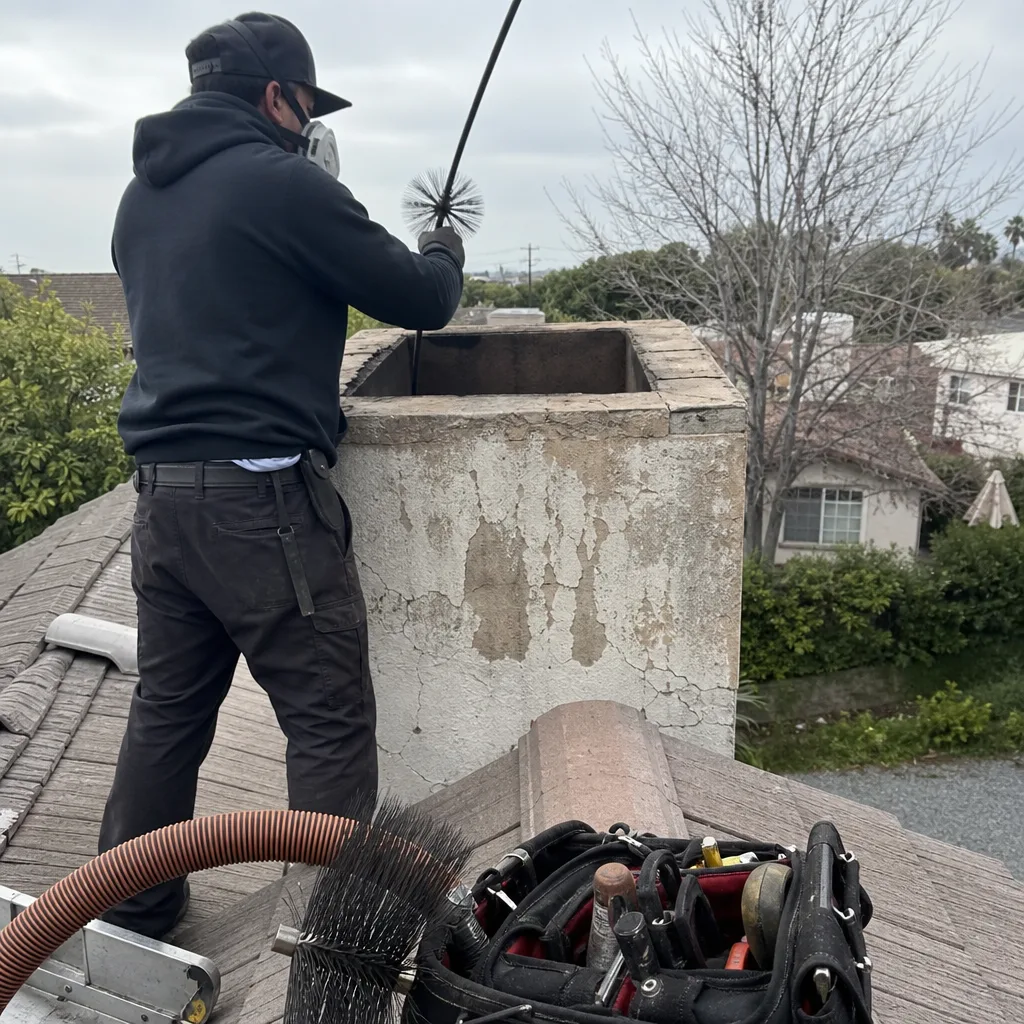 Before
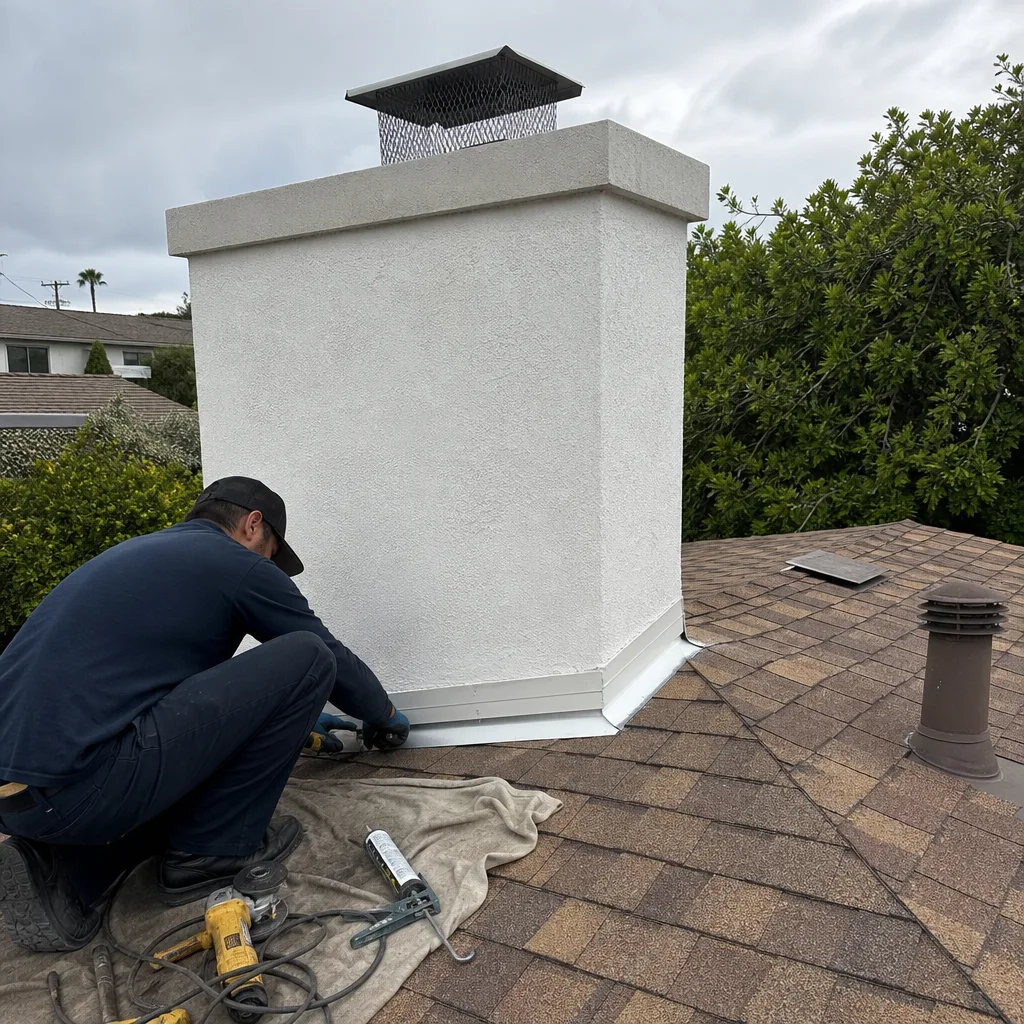 After
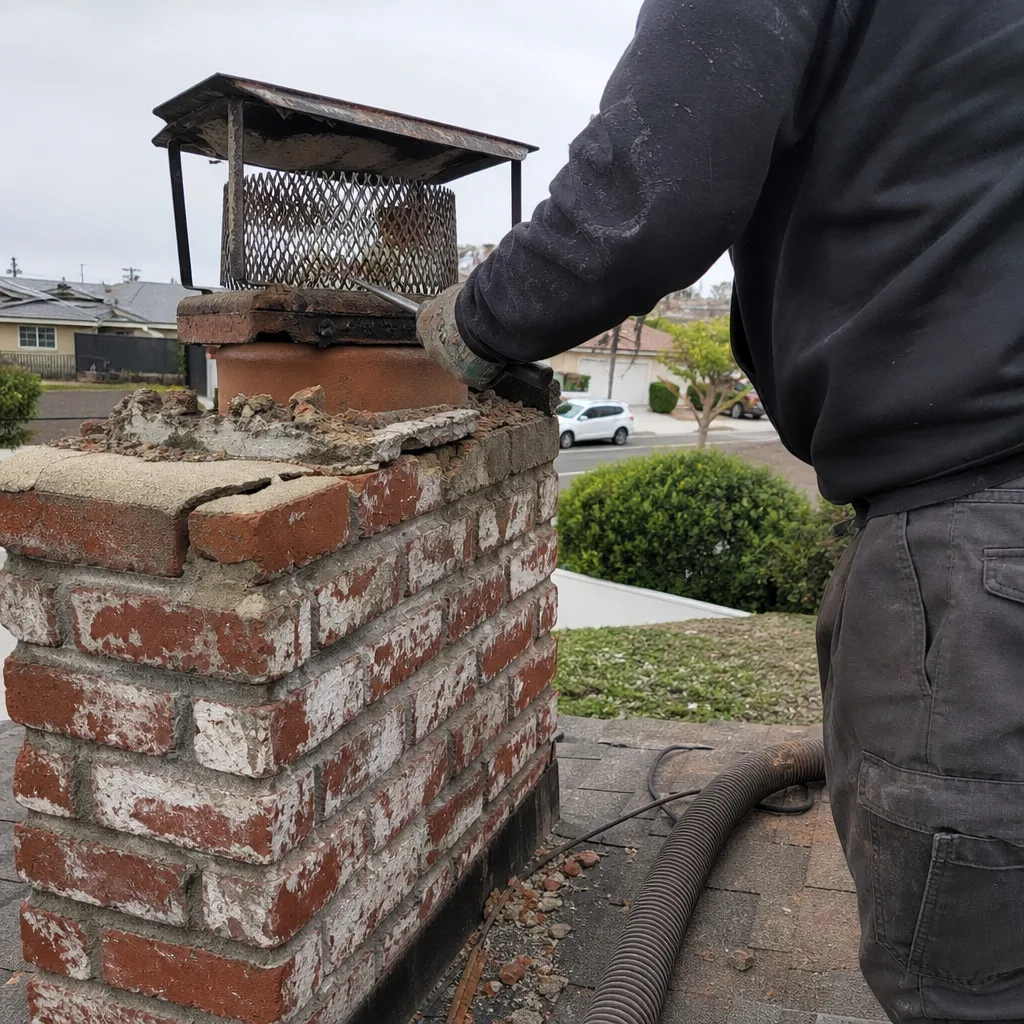 Before
 After
 Before
 After